Understanding your menstrual cycle is key to understanding your overall health. When ovulation doesn't occur — a condition known as anovulation — it can disrupt that cycle and make conception difficult. While occasional anovulation happens to many women, persistent anovulation is a common cause of infertility. Knowing the root causes can help you have a more informed conversation with your healthcare provider.
Let's look at two of the most frequent drivers behind anovulation: polycystic ovary syndrome (PCOS) and hypothalamic dysfunction. These two conditions account for a significant majority of anovulation cases, and they stem from very different disruptions in the body's delicate hormonal balance.
What is polycystic ovary syndrome (PCOS)?
PCOS is one of the most common hormonal disorders in women of reproductive age. It is a leading cause of anovulation. In PCOS, the ovaries produce an excess of androgens (sometimes called "male hormones"), which interferes with the delicate signaling between the brain and the ovaries. This hormonal imbalance prevents the egg from maturing and being released each month.
Instead of a regular monthly ovulation, a woman with PCOS may have infrequent periods or no periods at all. The classic signs of PCOS often include irregular cycles, acne, thinning scalp hair, and excess facial or body hair. On an ultrasound, the ovaries may appear enlarged and contain many small follicles — the immature sacs where eggs develop — giving them a "polycystic" appearance.
Insulin resistance is another key factor. Many women with PCOS have a hard time using insulin effectively, causing the body to produce more. This higher insulin level can, in turn, trigger the ovaries to make even more androgens, worsening the ovulatory problem.
A quick note: Not everyone with PCOS will have all of these symptoms. Some women have irregular cycles without any visible signs of high androgens, while others have clear hormonal changes but regular periods. A diagnosis usually requires at least two of three criteria: irregular ovulation, signs of high androgens, and polycystic ovaries on ultrasound.
What is hypothalamic dysfunction?
The hypothalamus is a small but mighty region at the base of the brain. It acts as the body's hormonal command center, releasing gonadotropin-releasing hormone (GnRH), which tells the pituitary gland to signal the ovaries to ovulate. When the hypothalamus is not functioning properly, this entire chain of command is disrupted, leading to a condition called hypothalamic amenorrhea — the absence of periods due to a lack of ovulation.
The most common causes of hypothalamic dysfunction fall into three categories: stress, energy deficiency, and low body weight.
- High physical or emotional stress: Chronic stress can raise cortisol levels, which can suppress the release of GnRH. This is the body's way of saying that a high-stress environment is not an ideal time for reproduction.
- Low body weight or rapid weight loss: When body fat drops too low, often due to restrictive dieting or an eating disorder, the hypothalamus may stop signaling for ovulation. The body conserves energy for essential functions.
- Excessive exercise: Overtraining, especially when combined with inadequate caloric intake, is another potent trigger. This is often seen in endurance athletes or dancers.
Unlike PCOS, women with hypothalamic anovulation typically have low levels of estrogen and androgens. They may not notice acne or excess hair, but they will likely have infrequent or absent periods. Stress-related anovulation is very common and often reversible with lifestyle adjustments.
How are these conditions different?
While both cause anovulation, the underlying hormonal profile is quite different. In PCOS, the problem is ovarian overproduction of hormones, leading to high androgen levels. In hypothalamic dysfunction, the problem is a lack of signal from the brain, resulting in low estrogen and low androgens. A healthcare provider can use blood tests to help distinguish between the two, which is crucial for choosing the right treatment path.
What are the next steps?
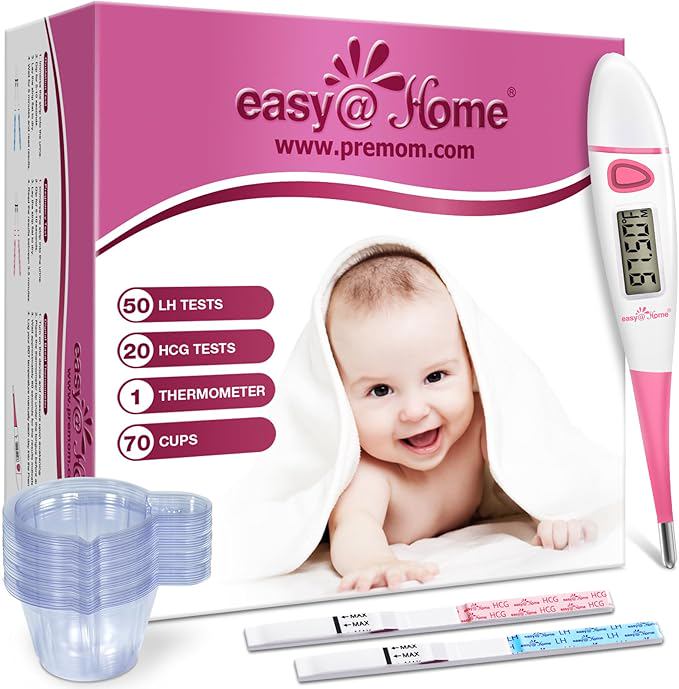
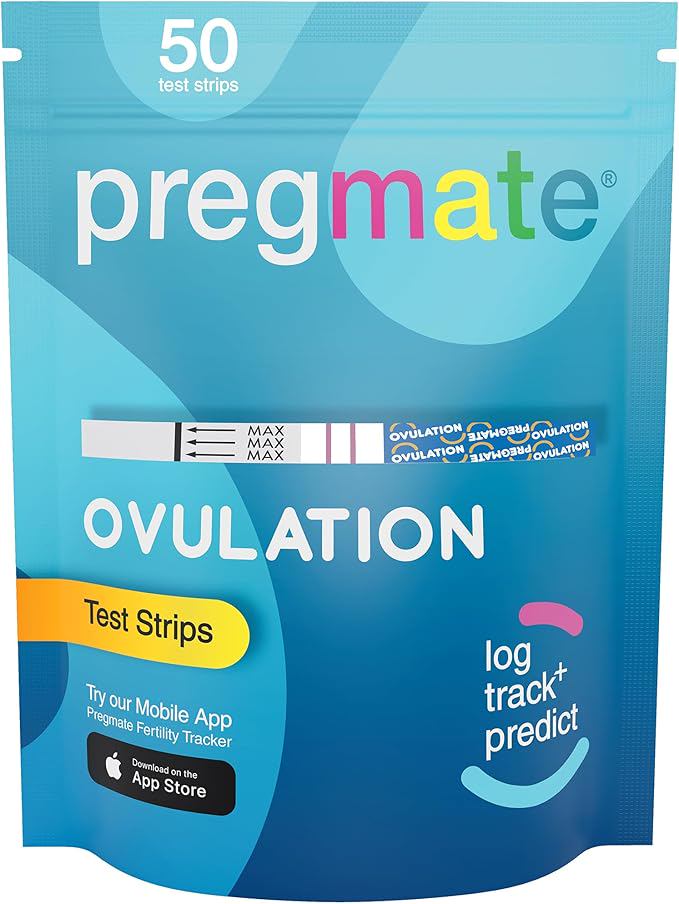
If you suspect you have anovulation, the first step is tracking your cycles. If your periods are irregular — coming more than 35 days apart, or if you go months without one — that is a strong sign ovulation may not be occurring regularly. A simple at-home ovulation predictor kit can also help, though it may not be reliable for everyone.
Medical evaluation is key. A doctor can order blood tests to check hormone levels, including FSH, LH, estradiol, and androgens. An ultrasound can look at the ovaries. From there, treatment is tailored to the cause. For PCOS, options often focus on improving insulin sensitivity (through diet, exercise, or medication) and directly inducing ovulation with medication. For hypothalamic dysfunction, the first-line approach is often lifestyle change — eating more, exercising less, and managing stress. In some cases, specialized hormone therapy may be needed.
Anovulation is treatable. Understanding whether the root cause is PCOS or hypothalamic dysfunction is the most important step toward restoring regular ovulation and, for those trying to conceive, achieving pregnancy.
This content is for educational purposes only and does not constitute medical advice. Always consult a qualified healthcare provider regarding your health.