Dry, thinning skin is one of the most common complaints as we age. You can slather on the richest creams, but true resilience often starts deeper—with what you eat. The skin's barrier, known as the stratum corneum, relies on specific nutrients to hold onto moisture and maintain its structure. When that barrier weakens, skin becomes dry, easily irritated, and more prone to fine lines.
In the world of anti-aging, we often chase topical solutions for a problem that has a dietary root. Instead of just adding moisture from the outside, we can focus on strengthening the skin's internal scaffolding. Here are four foods that help do exactly that, backed by nutritional science.
Why Skin Gets Dry and Weak With Age
Before jumping into the foods, it helps to understand the why. Aging skin loses key structural components like collagen and elastin. The production of natural oils (sebum) slows down, making the barrier less effective at trapping water. Environmental factors like sun exposure and pollution accelerate this process, leading to a weaker, drier surface that feels tight and looks dull.
1. Fatty Fish Rich in Omega-3s
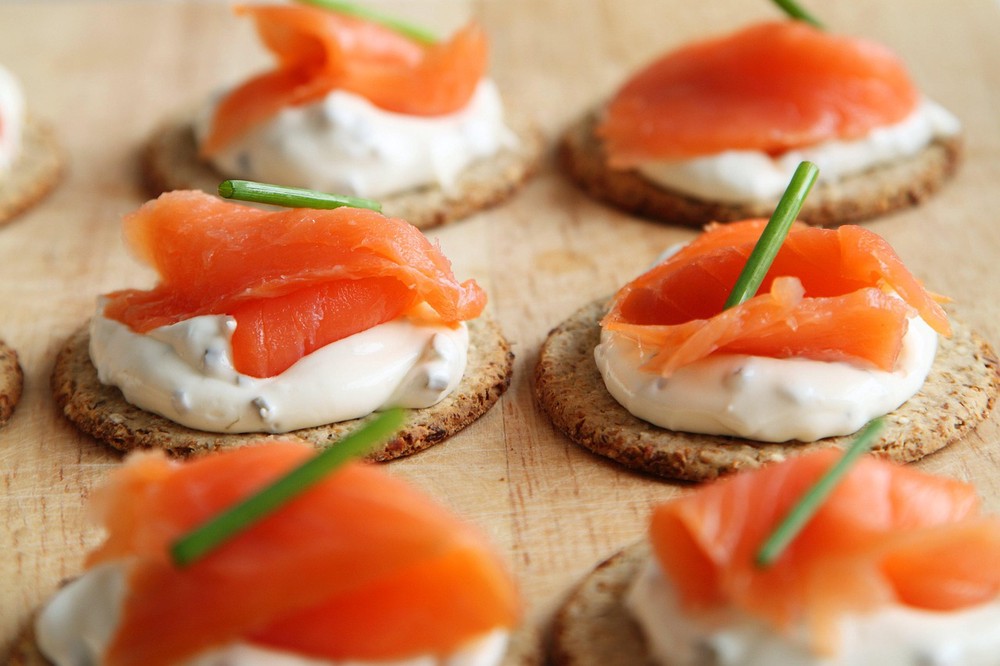
Fatty fish like salmon, mackerel, sardines, and anchovies are packed with long-chain omega-3 fatty acids, specifically EPA and DHA. These are not just anti-inflammatory—they are structural.
Omega-3s become part of the cell membranes throughout your body, including the lipid barrier of your skin. When your membranes contain enough EPA and DHA, they are more flexible and better at keeping water inside the cell and irritants out. A 2019 review in the journal Nutrients confirmed that omega-3 supplementation can help reduce dryness and roughness in aging skin.
Think of omega-3s as the mortar between the bricks of your skin cells. Without enough, the wall develops cracks where moisture escapes.
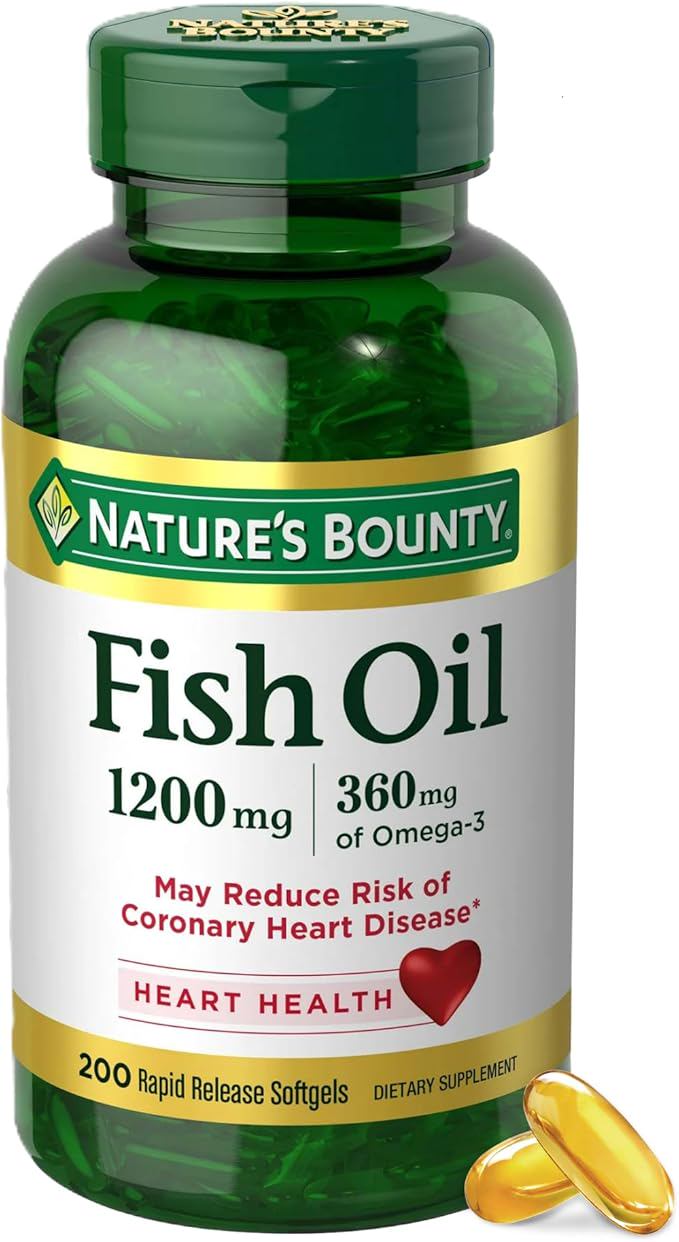
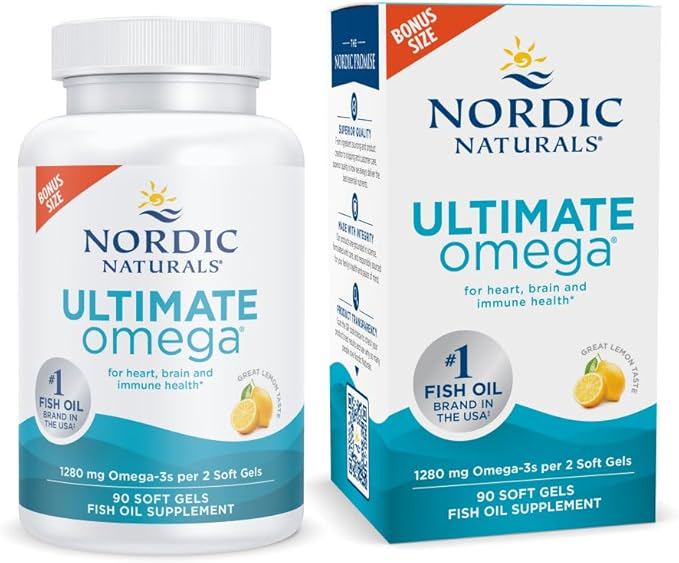
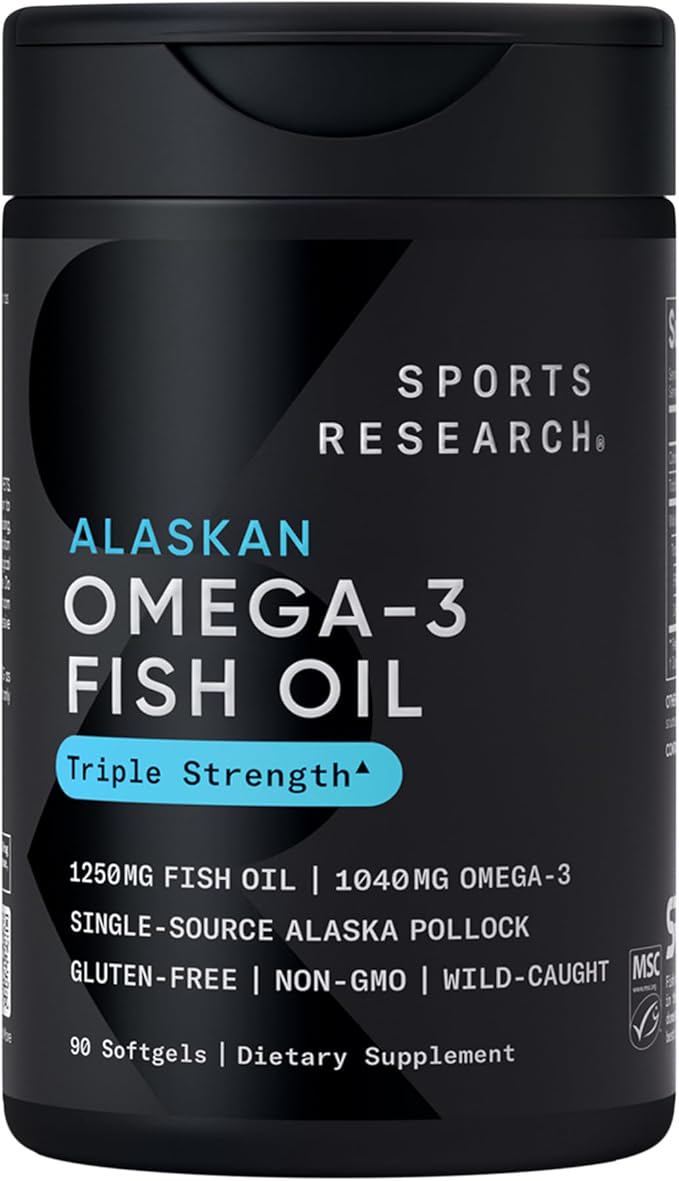
Try for two servings of wild-caught fatty fish per week. If fish isn't an option, look for a clean fish oil or algae-based DHA supplement, but always talk to a professional before adding a new supplement to your routine.
2. Avocados for Healthy Fats and Vitamin E
A single avocado provides a hefty dose of monounsaturated fats and a significant amount of vitamin E, both of which are critical for dry skin. Vitamin E is a fat-soluble antioxidant that protects the skin from free radical damage, but more importantly, it helps stabilize the lipid barrier.
In a 2020 study in the Journal of Cosmetic Dermatology, participants who ate an avocado daily for eight weeks showed a significant increase in skin firmness and elasticity. The healthy fats also help your body absorb fat-soluble vitamins (A, D, E, K) from other foods you eat, making it a synergistic addition to any meal.
3. Pumpkin Seeds for Zinc
Zinc is a mineral you often hear about for wound healing and acne, but it is equally vital for dry, aging skin. Zinc plays a role in cell regeneration and helps the skin produce its natural oils. When your zinc levels are low, skin can become dry, rough, and slow to repair itself.
Pumpkin seeds are one of the most concentrated food sources of zinc. A quarter-cup serving provides about 20% of your daily needs, plus copper, which prevents zinc from throwing off your mineral balance. Roasted pumpkin seeds are an easy way to add texture to salads or oatmeal. Other zinc-rich options include chickpeas, cashews, and hemp seeds.
4. Orange Vegetables for Beta-Carotene
Think carrots, sweet potatoes, butternut squash, and pumpkin. These are rich in beta-carotene, which your body converts into vitamin A. Vitamin A is critical for skin cell turnover and the repair of the epidermis.
Beta-carotene also acts as a natural photoprotectant. While it cannot replace sunscreen, a diet rich in carotenoids can help reduce the damage from UV exposure, which is a primary driver of dry, leathery skin. A 2017 study in Photochemistry and Photobiology noted that a higher dietary intake of carotenoids was associated with better skin hydration and a smoother texture.
Dry aging skin isn't just about what you apply—it is a signal from your body that it needs the right building blocks. By prioritizing these four food groups, you are supporting the skin's barrier from the inside, helping it hold moisture more effectively and stay resilient against the daily stressors that accelerate aging.