If you have curly hair, you already know that your scalp needs a different kind of care. Curly textures are naturally drier because the scalp's natural oils have a harder time traveling down the hair shaft. When your scalp becomes inflamed—think itchiness, flaking, redness, or even tenderness—it can disrupt your curl pattern, cause breakage, and make styling a battle. While topical products can help, dietitians say that what you eat plays a major role in calming that inflammation from the inside out.
Below, we break down four foods that registered dietitians specifically recommend for reducing scalp inflammation in those with curly hair. These are not miracle cures, but rather nutrient-dense options that support a healthier scalp environment over time.
Why scalp inflammation hits curly hair differently
Curly hair is more prone to dryness and buildup because the twists and turns of each strand make it harder for sebum—your scalp's natural moisturizer—to spread evenly. This can lead to a dry, irritated scalp that feels tight or itchy. Add in product buildup from creams, gels, and butters, and you have a recipe for inflammation. Diet can either fuel or calm that fire. Omega-3 fatty acids, antioxidants, and certain vitamins are known to reduce systemic inflammation, which includes the skin on your scalp.
Fatty fish (salmon, mackerel, sardines)
Fatty fish are rich in omega-3 fatty acids, specifically EPA and DHA, which are powerful anti-inflammatory compounds. Dietitians often point to these as a top food for calming scalp inflammation because omega-3s can lower the production of inflammatory molecules in the body. For curly hair, this means less redness, less itching, and a more balanced scalp environment. Aim for two servings of fatty fish per week. If you don't eat fish, a high-quality algae-based omega-3 supplement is a dietitian-backed alternative—but always check with your healthcare provider first.
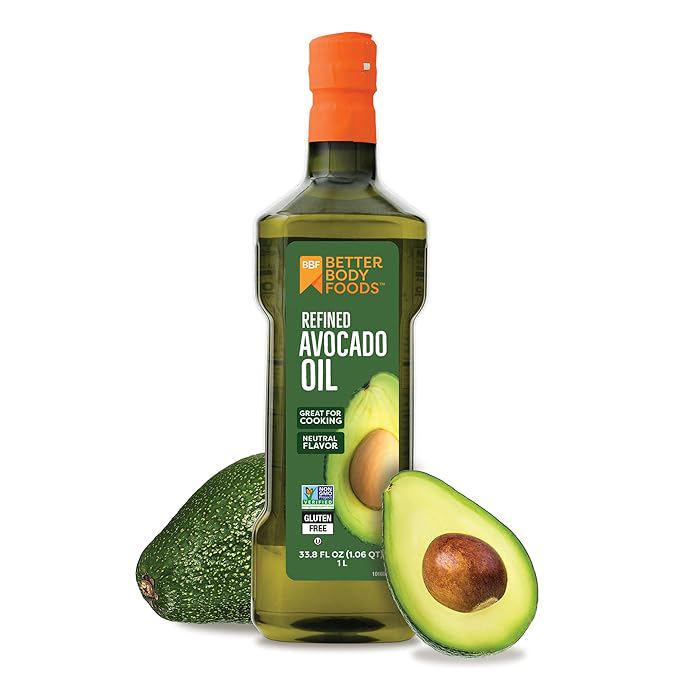
Avocados
Avocados are packed with healthy monounsaturated fats and vitamin E, a fat-soluble antioxidant that supports skin health and reduces oxidative stress. An inflamed scalp is often under oxidative stress, and vitamin E helps neutralize the free radicals that contribute to irritation. The healthy fats in avocados also help maintain the skin barrier on your scalp, keeping moisture in and irritants out. Plus, avocados are versatile: add them to salads, smoothies, or eat them straight with a pinch of salt.
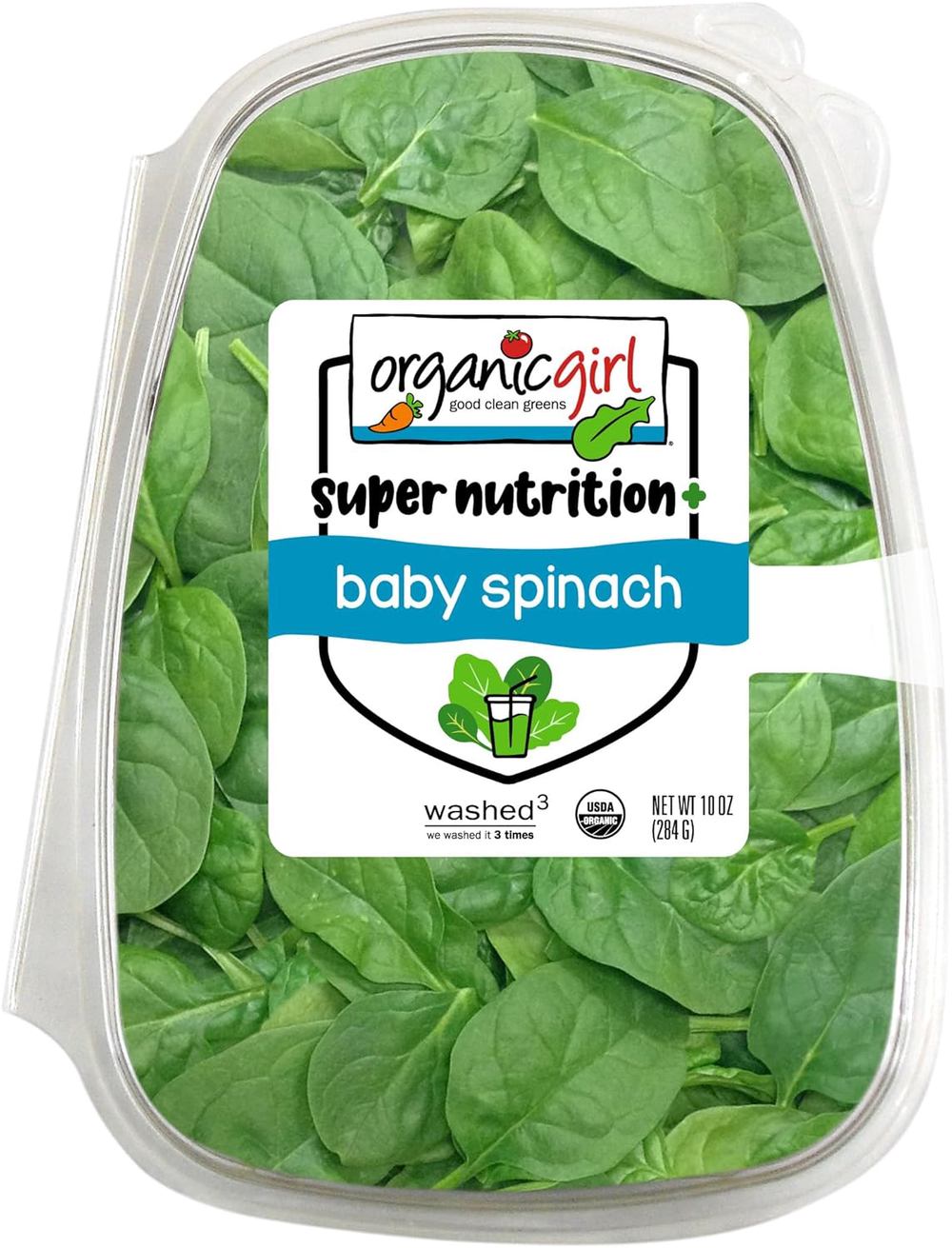
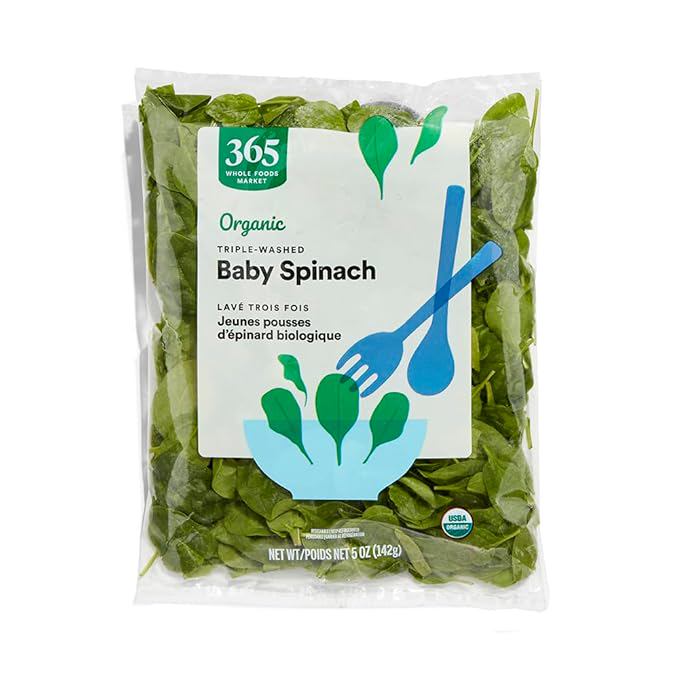
Leafy greens (spinach, kale, Swiss chard)
Leafy greens are loaded with iron, vitamin C, and magnesium—all nutrients that play a role in scalp health. Iron is essential for healthy blood flow to hair follicles; low iron is linked to hair thinning and a stressed scalp. Vitamin C helps your body absorb iron and also fights inflammation directly. Magnesium helps regulate cortisol, a stress hormone that can worsen scalp inflammation. For curly-haired individuals, a diet rich in leafy greens supports a calmer, more hydrated scalp. Try tossing a handful of spinach into your morning smoothie or sautéing kale with garlic as a side dish.
Walnuts
Walnuts are one of the few plant-based foods that provide a significant amount of alpha-linolenic acid (ALA), a type of omega-3 fatty acid. They also contain copper and biotin, both of which support hair strength and scalp integrity. Dietitians appreciate walnuts because they are an easy, shelf-stable snack that can reduce inflammatory markers in the body. For curly hair, that translates to less flakiness and a healthier foundation for your curls. Keep a small handful as a daily snack, or sprinkle them over oatmeal and salads.
Putting it all together: a scalp-friendly eating pattern
No single food will magically fix scalp inflammation, but consistently including these four groups can help. Dietitians emphasize that a balanced diet—one that limits processed foods, refined sugars, and excessive dairy—works synergistically with these anti-inflammatory foods. Curly hair care is not just about what you put on your hair; it is also about what you put in your body. Over time, a diet rich in omega-3s, vitamin E, iron, and healthy fats can lead to a less inflamed scalp, stronger curls, and less breakage.
Think of your scalp as the soil for your curls. Healthy soil grows healthy plants. Nutrient-dense foods are the fertilizer.
As always, consult a registered dietitian or your healthcare provider before making major dietary changes, especially if you have underlying health conditions or are taking medications. This information is for general wellness education and is not a substitute for professional medical advice.