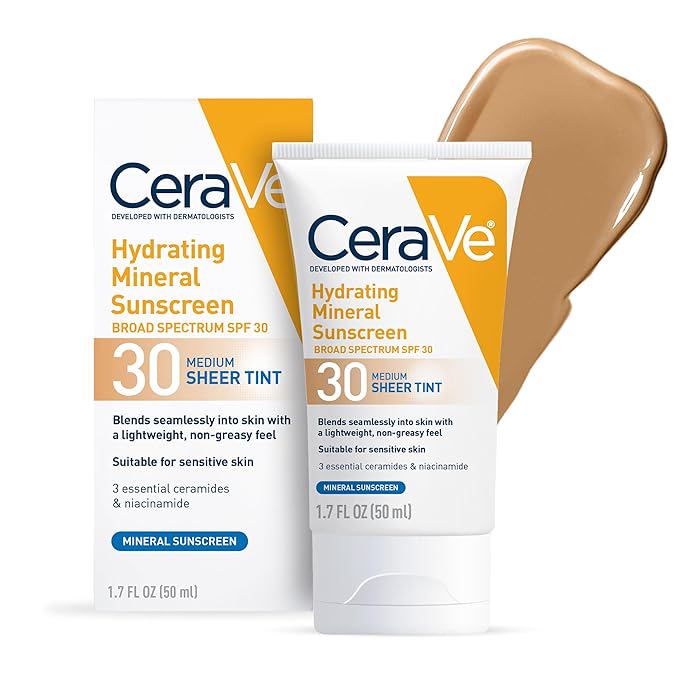
Your skin faces daily assaults from UV rays, pollution, and dry air. While sunscreen, hats, and protective clothing are your first line of defense, what you put on your plate can also help shield your skin from the inside out. Certain foods contain compounds that act as natural sun protectants, helping to reduce inflammation, fight free radicals, and maintain moisture. Here are four foods that can bolster your skin's resilience against sun damage and environmental dryness.
Tomatoes
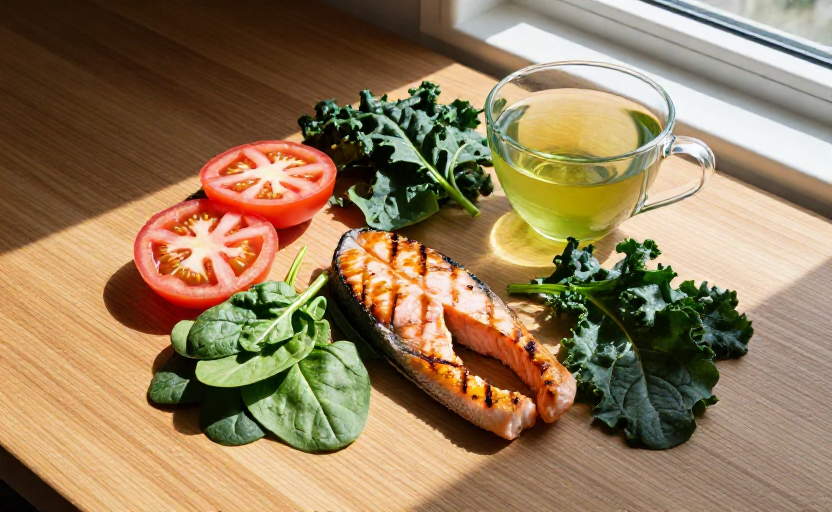
Tomatoes are rich in lycopene, a powerful antioxidant that gives them their red color. Research suggests that lycopene helps protect the skin from UV-induced damage by neutralizing harmful free radicals created by sun exposure. Cooking tomatoes, as in sauces or soups, actually increases the bioavailability of lycopene, making it easier for your body to use. A small daily serving of cooked tomatoes over several weeks may help reduce the skin's sensitivity to UV rays. Pair them with a little healthy fat, like olive oil, to boost absorption.
Fatty Fish and Omega-3s
Fish like salmon, mackerel, and sardines are packed with omega-3 fatty acids (EPA and DHA). These essential fats help maintain the skin's lipid barrier, which is crucial for holding in moisture and keeping irritants out. Omega-3s also have anti-inflammatory properties that can calm sun-exposed skin, potentially reducing redness and the risk of longer-term damage. Additionally, some evidence suggests that a diet rich in omega-3s may help protect against certain types of skin cancer, though more research is needed. Aim for two servings of fatty fish per week for general skin health.
Green Tea
The catechins in green tea, especially epigallocatechin gallate (EGCG), are potent antioxidants that can help protect the skin from UV-induced inflammation and oxidative stress. Drinking green tea regularly may reduce the sunburn response and improve skin elasticity over time. Topical applications of green tea extracts have shown similar benefits, but as part of your daily diet, 2–3 cups of unsweetened green tea can offer systemic support. Let the tea steep for at least 3–5 minutes to maximize catechin release.
Dark Leafy Greens (Spinach and Kale)
Spinach, kale, and Swiss chard are loaded with beta-carotene, lutein, and zeaxanthin—carotenoids that accumulate in the skin and help filter UV light. Beta-carotene is a precursor to vitamin A, which supports skin repair and turnover. Lutein and zeaxanthin are especially good at absorbing blue light, a component of sunlight that can contribute to photoaging. A diet rich in these greens also provides vitamin C and vitamin E, both of which work together to protect skin cells from UV-induced damage and help keep skin plump and hydrated.
Tip: Pair these foods with a balanced diet and consistent sun protection (SPF 30+ daily) for the best results. No food can replace sunscreen, but these choices can support your skin’s natural defenses.
How These Foods Work Together
The common thread among these four foods is their high concentration of antioxidants and healthy fats. Lycopene, catechins, carotenoids, and omega-3s all help reduce oxidative stress and inflammation—two key drivers of sun-induced skin aging and dryness. By eating a variety of these nutrient-dense foods, you give your skin a broader spectrum of protection than any single supplement could offer. Consistency matters more than quantity; small, regular servings of these foods over weeks and months build up protective benefits in your skin tissue.
Practical Ways to Add Them to Your Day
Incorporating these foods doesn’t require a major diet overhaul. Add a handful of spinach to your morning smoothie or omelet. Snack on cherry tomatoes with hummus or drizzle roasted tomatoes with olive oil. Drink a cup of green tea in the afternoon instead of coffee. For fish, try a simple baked salmon with lemon and herbs twice a week. These small, sustainable changes can make a real difference for your skin's long-term health and moisture levels.