
Losing weight often means losing muscle too — but it doesn't have to. Dietitians point to four foods that can help you hold onto lean mass while you shed fat. The key is choosing ingredients that provide high-quality protein, key nutrients, and steady energy without excess calories.
Why muscle matters during weight loss
When you cut calories, your body doesn't just burn fat — it can also break down muscle tissue for energy. Losing muscle slows your metabolism, makes everyday movements harder, and can leave you feeling weaker over time. Preserving muscle, on the other hand, keeps your metabolism humming and helps you maintain strength as you slim down.
Research shows that a protein-rich diet helps signal your body to hold onto muscle, especially when combined with resistance training. But which foods deliver the most benefit? Dietitians consistently name these four as top choices.
1. Eggs
Eggs are a complete protein source, meaning they contain all nine essential amino acids your body needs to build and repair muscle. One large egg packs about six grams of protein, along with vitamin D, B vitamins, and choline — nutrients that support muscle function and energy metabolism.
“Eggs are versatile, affordable, and easy to digest,” says registered dietitian Jennifer Maeng. “Eating them at breakfast can also help you feel full longer, which may reduce overall calorie intake later in the day.”
2. Greek yogurt
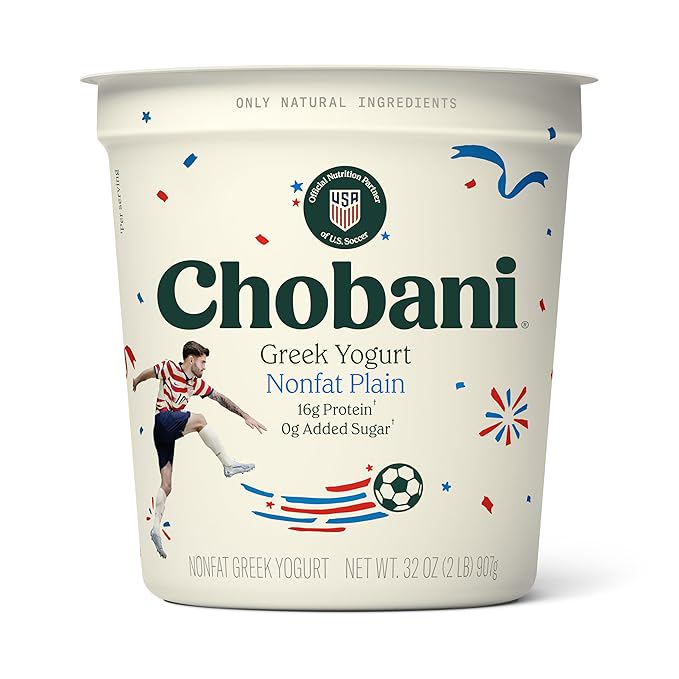
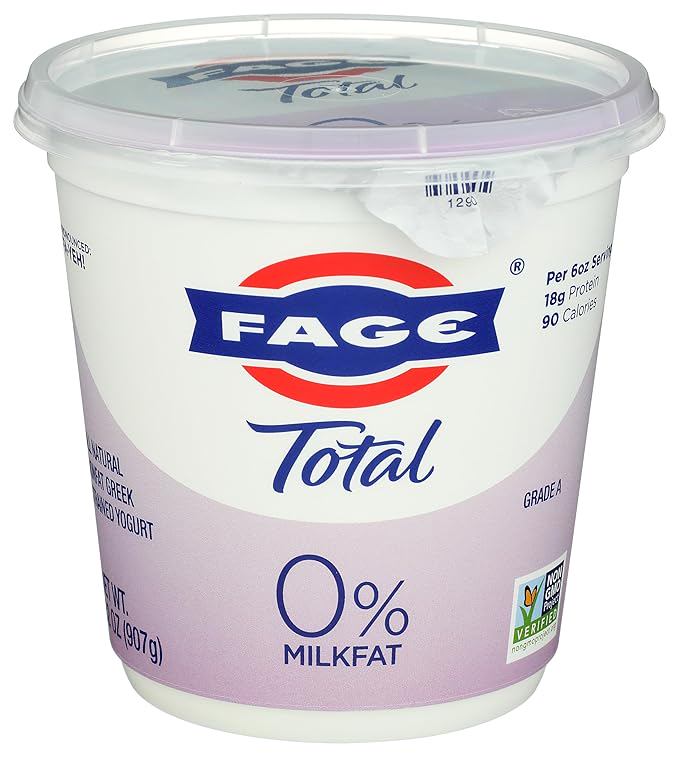
Greek yogurt is a standout for muscle preservation because it has roughly double the protein of regular yogurt. A single serving can deliver 15 to 20 grams of casein and whey protein — a combination that provides both quick-release and slow-digesting amino acids. This steady supply helps muscles recover and rebuild over hours.
“Look for plain, unsweetened Greek yogurt to avoid added sugars,” advises dietitian Lauren Twigge. “It pairs well with berries, nuts, or a drizzle of honey for a balanced, muscle-friendly snack.”
3. Salmon
Salmon brings both high-quality protein and anti-inflammatory omega-3 fatty acids to the table. Omega-3s, particularly EPA and DHA, may help reduce muscle breakdown and improve muscle protein synthesis, especially in older adults or those on a calorie-restricted diet. A three-ounce serving of salmon offers about 22 grams of protein and a generous dose of vitamin D, which supports muscle health.
“Including fatty fish like salmon twice a week can make a meaningful difference in preserving lean mass while losing weight,” says dietitian Melissa Mitri.
4. Lentils
For plant-based eaters, lentils are a muscle-preserving powerhouse. One cup of cooked lentils provides around 18 grams of protein, plus fiber, iron, and folate. The fiber supports satiety and blood sugar stability, while iron helps deliver oxygen to working muscles.
“Lentils are a fantastic option because they’re nutrient-dense and work in soups, salads, grain bowls, and even veggie burgers,” notes dietitian Amy Shapiro. Pair them with a grain like quinoa or brown rice to create a complete amino acid profile.
Tip: To maximize muscle preservation during weight loss, spread your protein intake evenly across meals — aim for 20 to 30 grams per meal rather than one large dose at dinner.
Putting it into practice
Building meals around these foods doesn’t require complicated recipes. A simple breakfast of scrambled eggs with spinach, a lunch of lentil soup with a side of Greek yogurt, and a dinner of grilled salmon with roasted vegetables can cover your bases. Snack on a hard-boiled egg or a small cup of yogurt when you need something between meals.
Remember that no single food works in isolation. A balanced diet, adequate hydration, regular strength training, and consistent sleep all play a role in preserving muscle while you lose weight. Talk with a healthcare provider or dietitian before making major dietary changes, especially if you have underlying health conditions.