
Waking up drenched, tossing the covers off, then shivering a few minutes later—night sweats during perimenopause can be exhausting. While hormonal shifts are behind the scenes, what you eat in the hours before bed might make a real difference. These four foods target the pathways that often drive those middle-of-the-night temperature spikes, helping your body stay cooler and more balanced.
How Food Affects Night Sweats
Perimenopause brings fluctuating estrogen and progesterone levels, which messes with your hypothalamus—the brain's thermostat. Eating certain foods can stabilize blood sugar, reduce inflammation, and support the nervous system, all of which can calm that internal temperature dial. Think of it as gentle support, not a cure. These foods work best as part of a consistent eating pattern, especially at dinner or as an evening snack.
1. Edamame and Soy Foods
Soybeans contain isoflavones, plant compounds that act as weak estrogens in the body. For some women, that gentle estrogenic effect helps smooth out the hormonal dips that trigger night sweats. Edamame, tofu, and tempeh are all solid choices.
Aim for about half a cup of cooked edamame or a serving of firm tofu a few times per week. If you have a history of estrogen-sensitive conditions, talk with your healthcare provider first, but for most women, whole soy foods are safe and beneficial. You can eat them steamed with a pinch of salt, tossed into stir-fries, or blended into a smoothie with frozen berries and spinach.
2. Flaxseeds
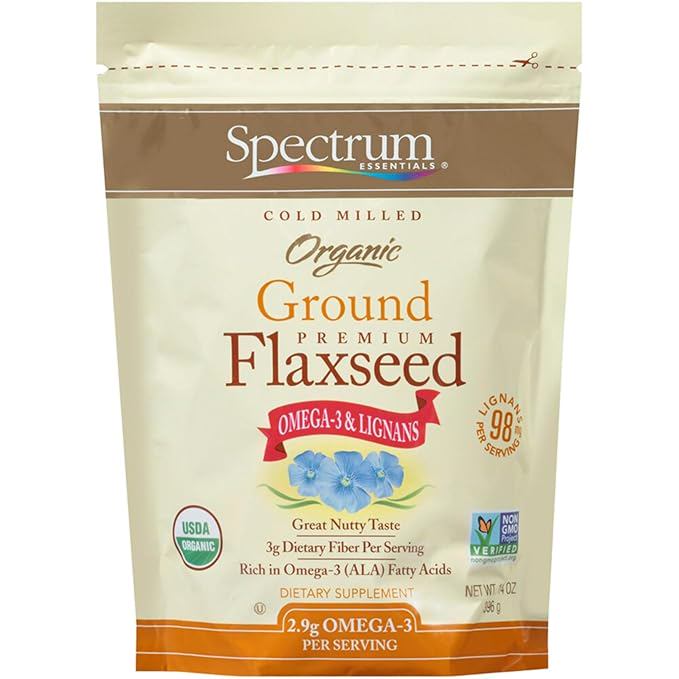
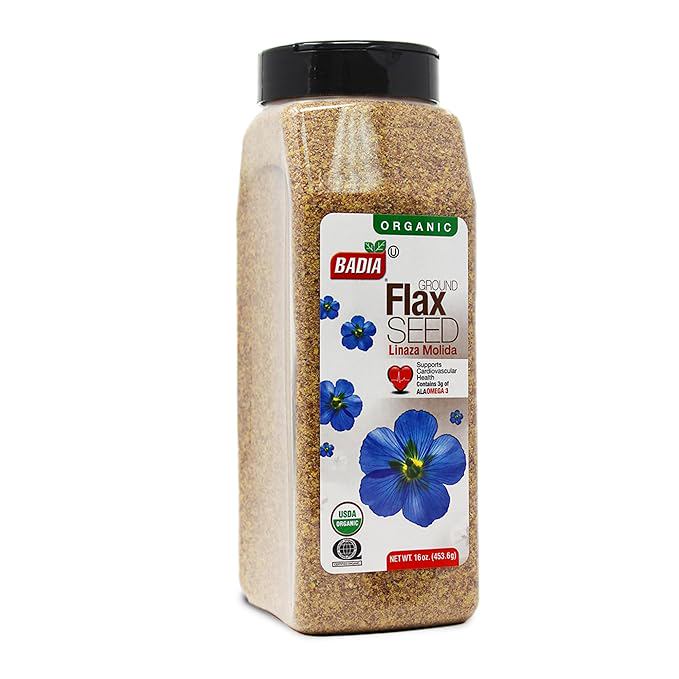
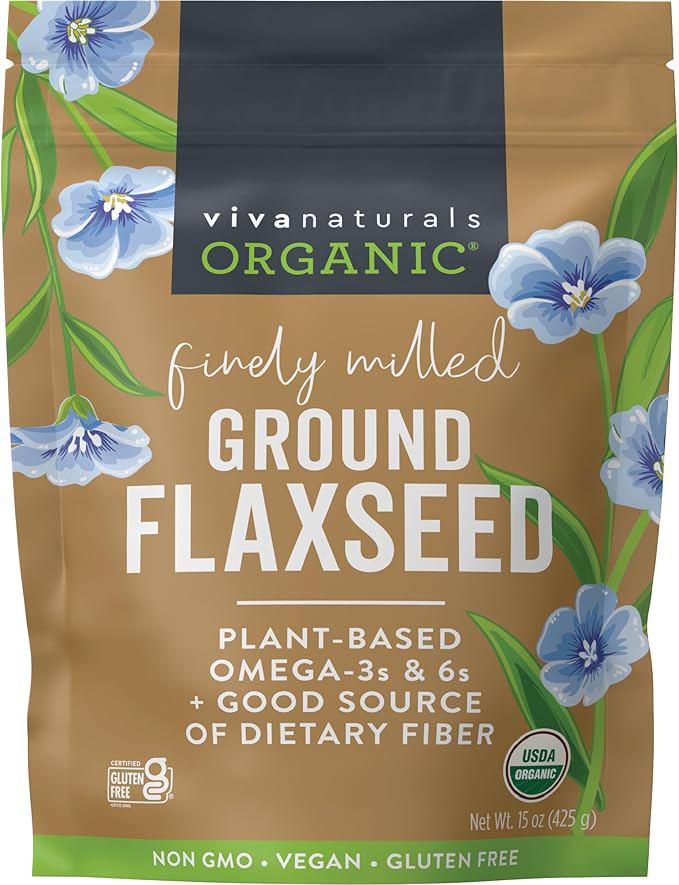
Flaxseeds are rich in lignans, another type of phytoestrogen. They also deliver fiber and omega-3 fatty acids, which help reduce inflammation—one of the underlying factors that can make hot flashes feel worse. A tablespoon of ground flaxseed daily is a reasonable amount for most people.
Whole flaxseeds pass through your system undigested, so always grind them fresh or buy pre-ground (keep it in the fridge). Sprinkle it over oatmeal, yogurt, or salads, or stir it into a glass of warm plant milk before bed. Some women report a noticeable reduction in both frequency and intensity of night sweats within a few weeks of adding flaxseeds to their routine.
3. Fatty Fish (Salmon, Mackerel, Sardines)
The omega-3s in fatty fish—EPA and DHA—help regulate inflammation and support brain health, including the hypothalamus. Emerging research suggests that a higher intake of omega-3 fats may correlate with fewer hot flashes and night sweats for some women during perimenopause and menopause.
Try to include fatty fish twice a week. A simple dinner of baked salmon with roasted vegetables or a mixed green salad with sardines can be both satisfying and cooling. If you don't eat fish, a high-quality algae-based omega-3 supplement is an alternative, but for overall benefits, whole food sources are preferable.
4. Whole Grains (Oats, Brown Rice, Quinoa)
Blood sugar swings are a notorious trigger for night sweats. When your blood sugar drops in the middle of the night, your body releases stress hormones like adrenaline, which can crank up your internal heat. Whole grains digest slowly, providing a steady release of energy that helps keep blood sugar stable overnight.
A small bowl of oatmeal made with water or unsweetened plant milk, topped with a few walnuts and a sprinkle of cinnamon, is a perfect pre-bedtime snack. Or swap white rice for quinoa or brown rice at dinner. The key is consistency—a regular pattern of whole grains at meals can help prevent those 3 a.m. blood sugar crashes.
Putting It All Together
You don't need to overhaul your entire diet overnight. Start with one simple shift: maybe a flaxseed-topped yogurt in the morning, or swapping your usual dinner side for quinoa. Over a few weeks, layer in another change. Combine these foods with other cooling strategies—cotton sheets, a fan, staying hydrated throughout the day—and you'll have a stronger foundation for better sleep.
Remember: Night sweats are a sign of a normal biological transition. These foods offer natural support, but if your symptoms are severe or disrupting your life, it's worth discussing other options with your doctor.