After 45, your body starts making less estrogen, and that shift speeds up bone loss. It is a quiet process: you do not feel it happening, but over time, your skeleton becomes less dense and more fragile. The good news is that food can do a lot of the heavy lifting. Two nutrients — calcium and vitamin D — work as a team. Calcium builds bone structure. Vitamin D helps your gut absorb that calcium. Without both, your efforts fall short.
Here are four foods that deliver this pair naturally, along with a few practical tips for getting the most out of them.
1. Sardines (with the bones)
Sardines are small, salty, and often overlooked. But they are one of the best sources of calcium — if you eat the bones. Canned sardines are soft enough that the bones are barely noticeable, and a 3.75-ounce tin contains roughly 350 mg of calcium, which is more than a cup of milk. They also provide about 200 IU of vitamin D per serving, which is a solid chunk of what you need in a day.
Try them mashed onto whole-grain toast with a squeeze of lemon, or flaked into a salad with olive oil and cracked pepper. If you are new to sardines, start with ones packed in olive oil for a milder flavor.
A practical note: One tin gives you roughly 35% of your daily calcium and a good dose of vitamin D. That is hard to beat for a shelf-stable pantry item.
2. Fortified dairy and dairy alternatives
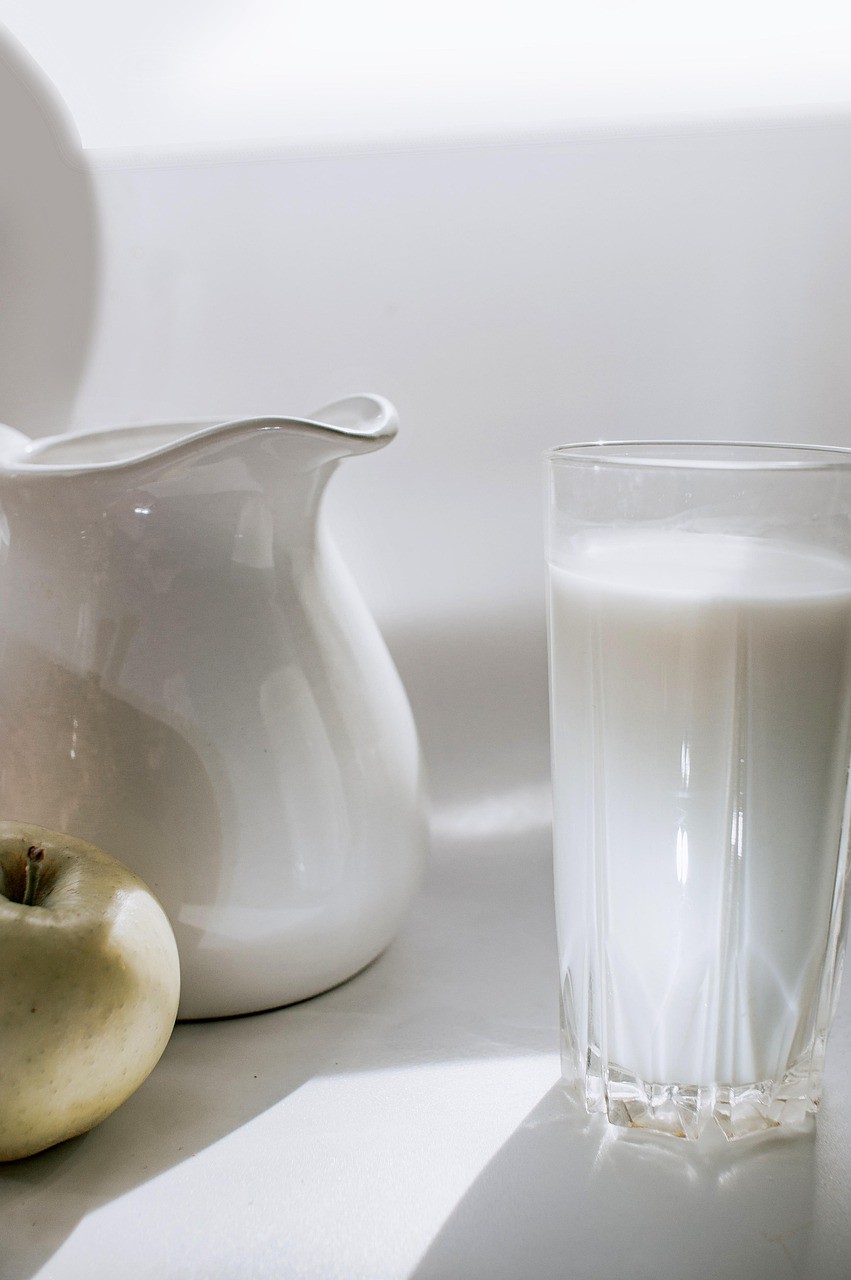
Plain dairy — milk, yogurt, kefir — is naturally high in calcium, but most dairy products are not naturally rich in vitamin D. That is why many brands fortify their milk, yogurt, and plant-based alternatives with added vitamin D. A single cup of fortified milk usually supplies 300 mg of calcium and 100 IU of vitamin D. Greek yogurt is similar, with the added benefit of protein, which also supports bone health.
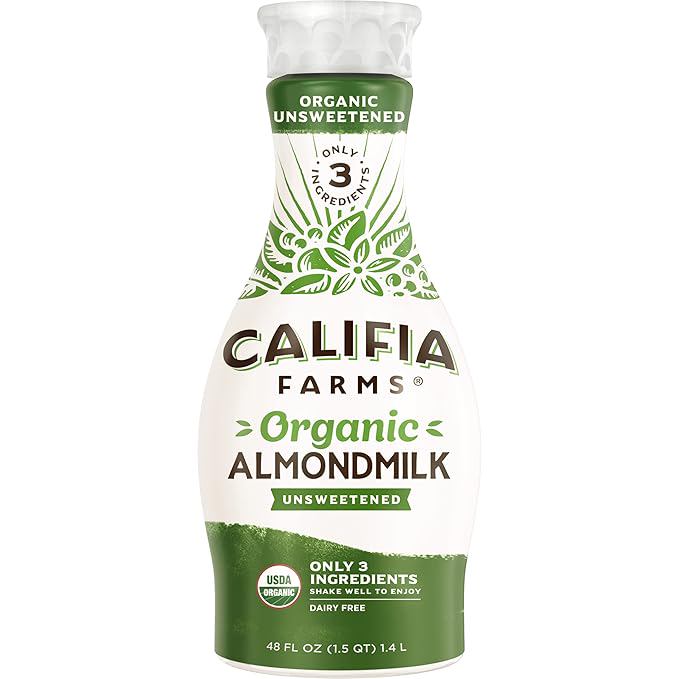
For those who avoid dairy, look for fortified soy milk, oat milk, or almond milk. The key is checking the label: you want a product that lists both calcium carbonate and vitamin D2 or D3 in the ingredients. Unsweetened versions have no added sugar, which is better for overall health.
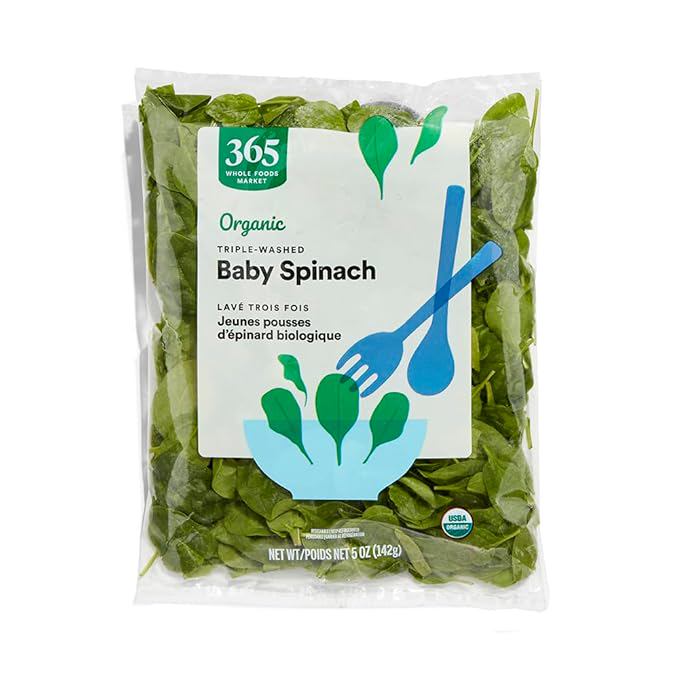
One easy habit: pour a glass of fortified milk with dinner, or blend a smoothie with fortified yogurt, a handful of spinach, and a few berries.
3. Canned salmon (with the bones)
Like sardines, canned salmon is a calcium-vitamin D double threat — as long as you do not discard the bones. A 3-ounce serving of canned pink salmon (with bones mashed in) provides about 180 mg of calcium and roughly 500 IU of vitamin D. That vitamin D number is significant: it covers about 60% of the recommended daily intake for adults over 70, and a large portion for younger postmenopausal women.
The bones are soft enough to mash into the meat with a fork. Many people do not even notice them. Use salmon in patties, mix it into pasta with lemon and herbs, or toss it onto a green salad.
Tip for texture: If the idea of bones bothers you, mash the salmon well with a fork and add a little mayonnaise or Greek yogurt to bind it. The bones disappear into the mix.
4. Cooked dark leafy greens (especially collards and kale)
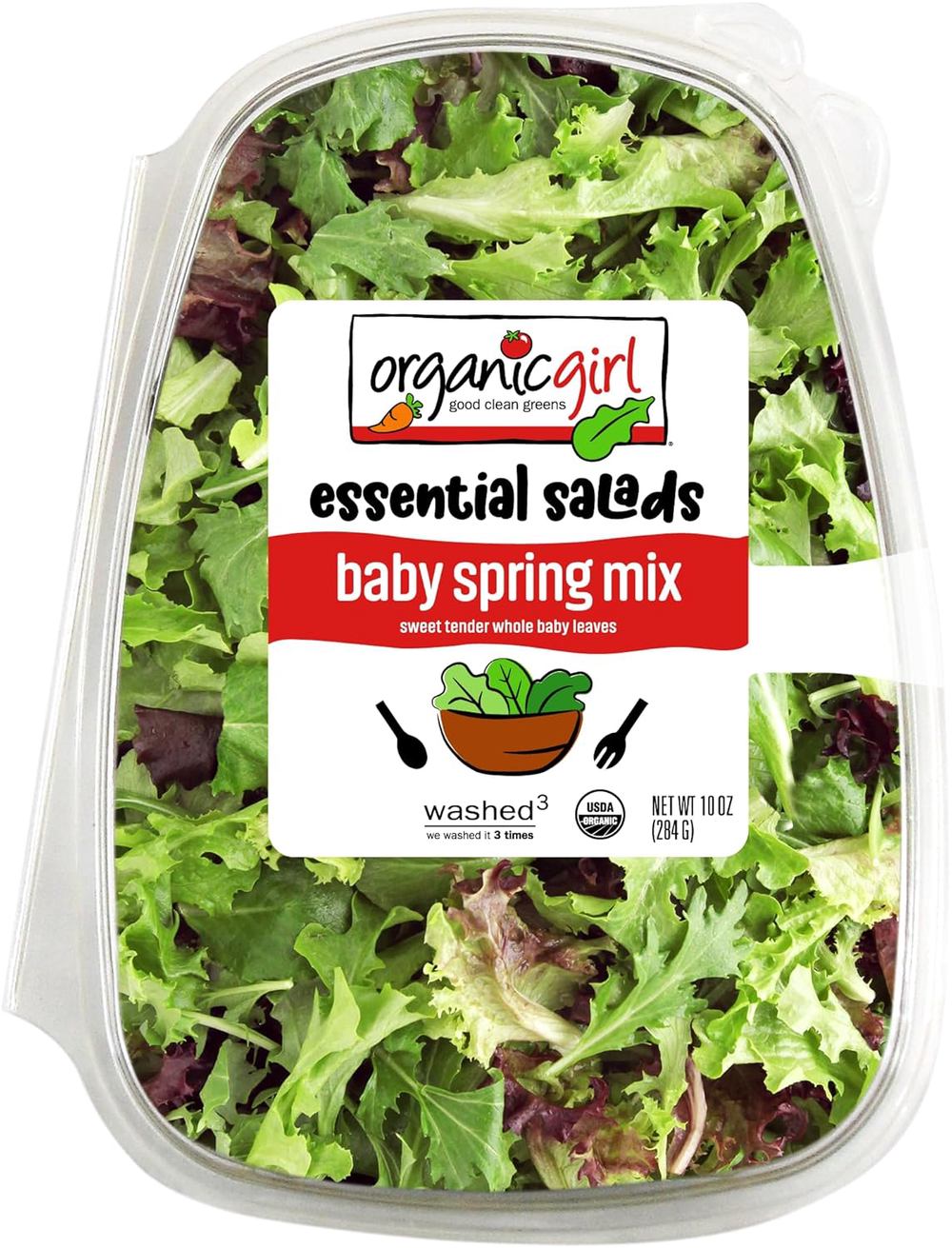
Leafy greens are not as high in calcium as dairy or fish, but they are a reliable plant-based source, and they come with other bone-friendly nutrients like vitamin K and magnesium. One cup of cooked collard greens provides about 350 mg of calcium. Kale is lower — roughly 100 mg per cooked cup — but still helpful. The catch: greens are low in vitamin D. So you need to pair them with a vitamin D source, like a fatty fish or fortified dairy, to get the absorption benefit.
Do not rely on raw greens for calcium. Cooking shrinks them down, so you can eat a meaningful volume, and it also reduces oxalic acid, which can interfere with calcium absorption. Sauté collards in olive oil with garlic, or add chopped kale to soups and stews.
How to make these foods work for you
Calcium and vitamin D work together, but timing matters. Vitamin D is fat-soluble, so eating it with some healthy fat — olive oil, avocado, nuts — improves absorption. Calcium is best absorbed in doses of 500 mg or less, so spreading calcium-rich foods across meals is more effective than loading up at one sitting.
A sample day might look like this:
- Breakfast: Fortified oatmeal made with fortified milk, topped with a handful of almonds.
- Lunch: A green salad with sardines, lemon juice, and olive oil.
- Dinner: Baked salmon with sautéed collard greens.
This pattern naturally hits your calcium and vitamin D targets without supplements. If your diet is limited due to allergies, preferences, or availability, talk to a healthcare provider about whether a supplement makes sense for your specific situation.
What about sunlight and supplements?
Sunlight triggers vitamin D production in your skin, but after 45, your skin becomes less efficient at this process. Many factors — geography, season, sunscreen use, and skin tone — also affect how much vitamin D you make. Food sources are more reliable. If you live in a northern climate or spend most of your time indoors, you may need to be more intentional about vitamin D-rich foods.
When it comes to supplements, the National Institutes of Health recommends 600 IU of vitamin D daily for adults up to age 70, and 800 IU for those over 70. For calcium, women over 50 need 1,200 mg per day. Food first is the safest approach, because whole foods come with a package of other nutrients that work together — magnesium, phosphorus, vitamin K — which supplements may not provide in the same way.
Final thought
Bone loss after 45 is not inevitable. A few intentional food choices — sardines, fortified dairy, canned salmon with bones, and cooked greens — can help you maintain the framework that carries you through every movement, every walk, every lift. Start with what you can put on your plate. Your bones will thank you.