
You know that foggy, hollowed-out feeling when your eyes pop open at 3:00 AM and your brain decides it’s time to replay every awkward conversation from the last decade? For many women navigating menopause, that night-watchman shift is a familiar, exhausting ritual. It turns out the biology behind it is real: as estrogen and progesterone levels drop, your internal thermostat goes haywire, and the part of your brain that controls the sleep-wake cycle—the suprachiasmatic nucleus—starts getting mixed signals.
The good news is that your schedule isn't broken forever. With a few strategic, expert-backed adjustments, you can guide your circadian rhythm back to a steady beat. These four tips are grounded in sleep science and tailored to the specific hormonal shifts of perimenopause and menopause. They’re about working with your body’s changing signals—not against them.
Anchor your wake-up time (yes, even on weekends)
Your sleep drive is like a debt system: you can borrow from it, but eventually you have to pay back. The most powerful lever for resetting your internal clock is a consistent wake-up time. When you rise at the same hour every day, you expose your eyes to morning light at a predictable moment, which tells your brain to stop producing melatonin and start ramping up cortisol for the day ahead.
Pick a wake-up window (say, 6:30 to 7:00 AM) and stick to it, even after a rough night. It feels counterintuitive—you want to sleep in to “catch up”—but sleeping late on weekends is like changing time zones on your body twice a week. Instead, if you feel groggy, keep the wake-up time steady and allow yourself a brief, short nap (20 minutes max) in the early afternoon if needed.
Harness the power of morning light—without the screen
Light is the single strongest cue (called a zeitgeber) for your circadian rhythm. But here’s where many of us go wrong: we walk straight from the bedroom to the phone. Blue light from a screen tells your brain it’s still the middle of the day, and it actually delays your sleep onset the following night.
Instead, make a point to get natural sunlight exposure within 30 minutes of waking. Step outside for 10–15 minutes without sunglasses. Cloudy day? Still counts—the light intensity outdoors is exponentially higher than indoor lighting. This early light exposure shifts your internal clock forward, making it easier to fall asleep at the right time that night. If you live somewhere dark in winter, a light therapy box (10,000 lux) can serve as a substitute, but keep it for the morning hours only.
Cool down your core temperature at night
Hot flashes and night sweats are not just uncomfortable—they actively undermine deep, restorative sleep. Your body naturally drops its core temperature at night to signal sleep onset, but during menopause, estrogen fluctuations mess with the hypothalamus, making that heat dissipation less efficient. The result: you’re lying there feeling like you’re wrapped in a blanket that’s radiating heat.
A key research-backed strategy: aim to keep your bedroom temperature between 65–68°F (18–20°C).
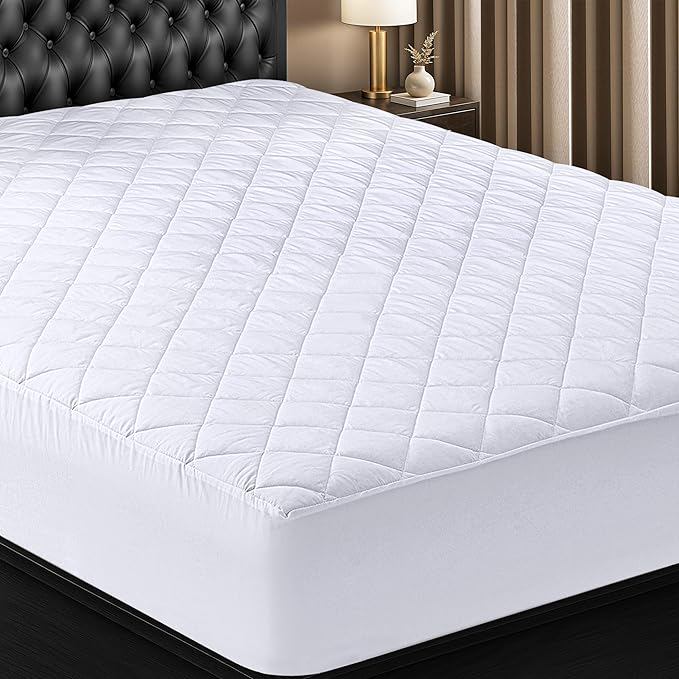
But go a step further. Take a warm bath or shower 60–90 minutes before bed. The warm water draws blood flow to your skin, and when you step out, your body rapidly sheds heat. That cooldown triggers a drop in core temperature that helps you transition into sleep faster. Pair it with breathable bedding (think cotton or bamboo, not synthetic) and consider a split pajama set so you can peel off layers mid-night without fully waking.
Redesign your evening wind-down for hormonal noise
Your brain’s arousal system is already on high alert during menopause thanks to crashed progesterone levels (progesterone has a mild sedative effect). That means alcohol, heavy evening meals, and screen time hit you harder than they used to. You don’t need to live like a monk, but small changes in the 90 minutes before bed make a real difference.
- Cut alcohol at least 3 hours before bed. Even one glass of wine disrupts REM sleep and triggers rebounds in blood sugar that can jerk you awake at 2 AM.
- Keep dinner light and early. A heavy, spicy, or fatty meal close to bedtime raises your metabolism and core temperature, working against that cool-down you just engineered.
- Switch to a non-digital wind-down. Instead of scrolling, try a 10-minute breathing routine: inhale for 4 counts, hold for 7, exhale for 8. This pattern shifts your autonomic nervous system toward the parasympathetic (rest-and-digest) branch and lowers heart rate.
- Consider a consistent noise anchor. Many women find that a low, constant sound (a fan, brown noise, or a plain white noise app) helps mask the sudden silence that sometimes triggers wakeful thoughts.
Realigning your sleep during menopause isn’t about forcing your body into a strict, punishing routine. It’s about giving your shifting biology consistent, gentle cues: morning light, a cooler environment, a predictable wake-up time, and a wind-down that respects your altered chemistry. Pick one of these tips and try it for a week. You might not have a perfect night every night, but with each small shift, your circadian rhythm gets a little steadier—and that’s the kind of rest your body is asking for.