
Menopause brings a cascade of hormonal shifts, and one of the most consequential for long-term health is the accelerated loss of bone density. Declining estrogen levels disrupt the natural balance between bone resorption and bone formation, leaving the skeleton more vulnerable to thinning and fracture. While diet and exercise are often discussed as protective factors, the beverages you reach for each day can also play a meaningful role—for better or worse.
Below, we examine three common drinks that research suggests may contribute to bone density loss during this stage of life. Understanding how these beverages affect calcium balance and bone remodeling can help you make more informed choices without needing to overhaul your entire routine overnight.
Soda and Cola: The Phosphoric Acid Problem
Regular consumption of soda—especially cola—has been linked to lower bone mineral density in multiple observational studies. The primary concern is phosphoric acid, a compound added to many dark colas to provide tang and preserve shelf life. When you consume high levels of phosphorus relative to calcium, your body may pull calcium from the bones to maintain proper mineral ratios in the blood.
This is not just a theoretical mechanism. A large study published in the American Journal of Clinical Nutrition found that women who drank cola daily had significantly lower bone mineral density in the hip compared to those who drank it less than once a month. The effect persisted even after adjusting for total calcium intake.
The calcium-to-phosphorus ratio matters more than the absolute amount of either mineral alone. Sodas tip that ratio in the wrong direction.
For menopausal women whose bones are already under metabolic stress, daily soda intake may further undermine skeletal integrity. Sugar-sweetened varieties also promote inflammation and insulin spikes, both of which can indirectly affect bone metabolism. Opting for sparkling water with a splash of citrus provides the fizz without the phosphorus load.
Caffeinated Coffee and Tea: Moderation Still Matters
Caffeine has a mild diuretic effect, which increases urinary excretion of calcium. Over time, this calcium loss—typically about 2–3 mg of calcium per cup of coffee—can accumulate into a measurable deficit if intake is high and calcium consumption is low. A meta-analysis of caffeine and bone health found that women who consumed more than 300 mg of caffeine per day (roughly three cups of brewed coffee) had a significantly elevated risk of osteoporotic fractures compared to those who drank less.
However, the relationship is nuanced. Moderate caffeine intake—one or two cups—does not appear to cause harm in women who meet their daily calcium needs. The real risk emerges when heavy coffee consumption displaces calcium-rich beverages such as milk or fortified plant milks, or when it occurs in the context of an already marginal calcium diet.
A practical note on timing
Absorption of calcium can be reduced by caffeine consumed at the same meal. If you take a calcium supplement or eat a calcium-dense breakfast, waiting an hour before drinking your coffee may help preserve that mineral's bioavailability. The same principle applies to black tea and green tea, which contain caffeine as well as oxalates—compounds that can bind to calcium and reduce absorption in the gut.
Alcohol: Dose-Dependent Damage to Bone Remodeling
Alcohol affects bone health through multiple pathways. It directly inhibits the activity of osteoblasts (the cells that build new bone) while promoting osteoclast activity (the cells that break down bone). Chronic heavy drinking also interferes with vitamin D metabolism and reduces the absorption of calcium from the intestine.
Even moderate drinking may pose a risk during menopause. A study tracking postmenopausal women over four years found that those who consumed more than one alcoholic drink per day lost bone density at a faster rate than non-drinkers, particularly in the lumbar spine and hip. The association was dose-dependent: the more alcohol consumed, the greater the bone loss.
It is worth distinguishing between occasional light drinking and daily habitual use. A single glass of wine with dinner a few nights a week is unlikely to cause significant harm, especially if your overall nutrient intake is strong. But daily or binge-level consumption can create a sustained environment where bone resorption outpaces formation.
Alcohol and bone health follow a clear pattern: low intake may be neutral, but the dose makes the poison.
What You Can Do Instead
Protecting your bones during menopause does not require cutting out every enjoyable beverage. The key is awareness and balance. Prioritize drinks that provide or preserve calcium: milk, fortified plant milks, and plain water with meals all support bone health. If you do consume soda, coffee, or alcohol, keep portions moderate and pair them with adequate calcium-rich foods.
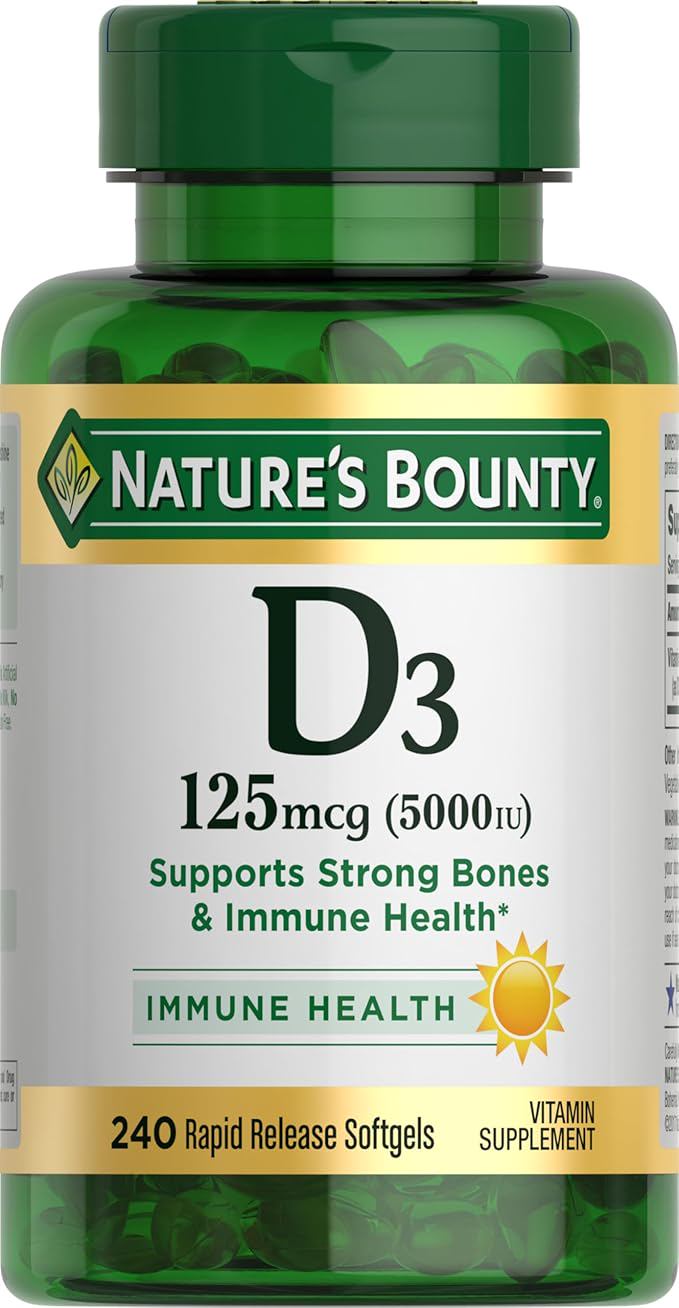
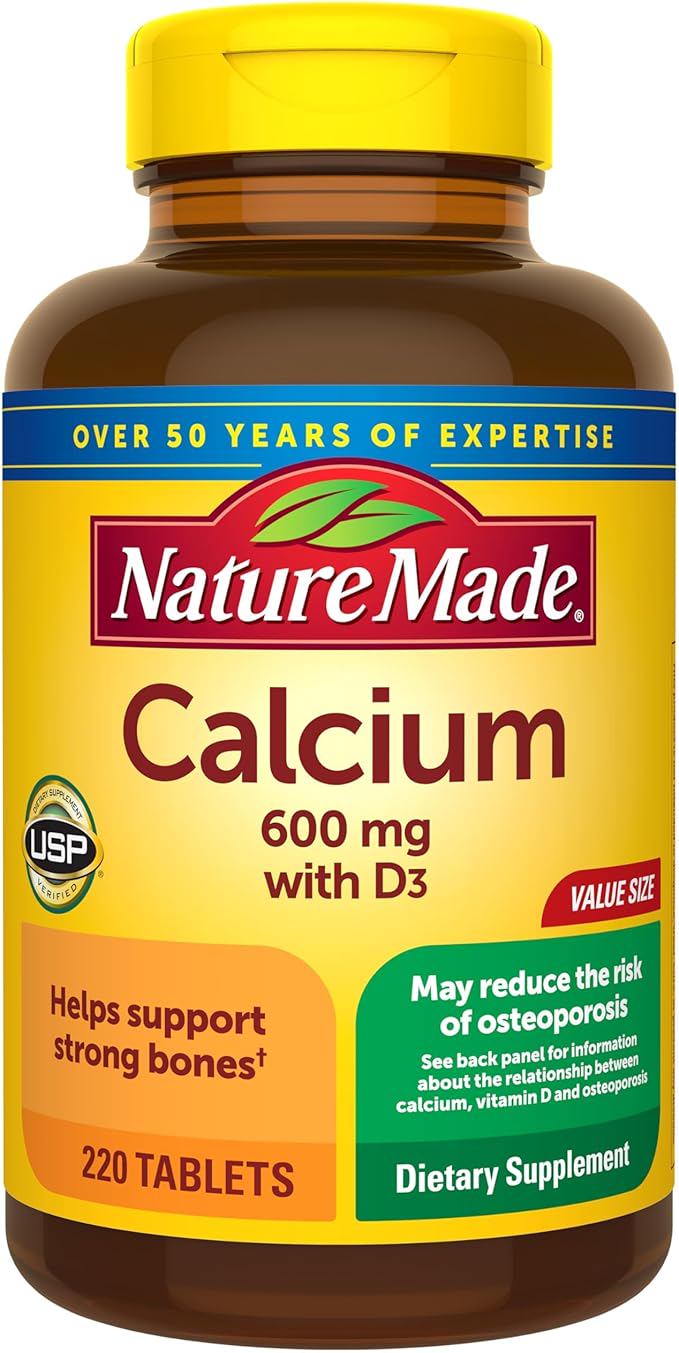
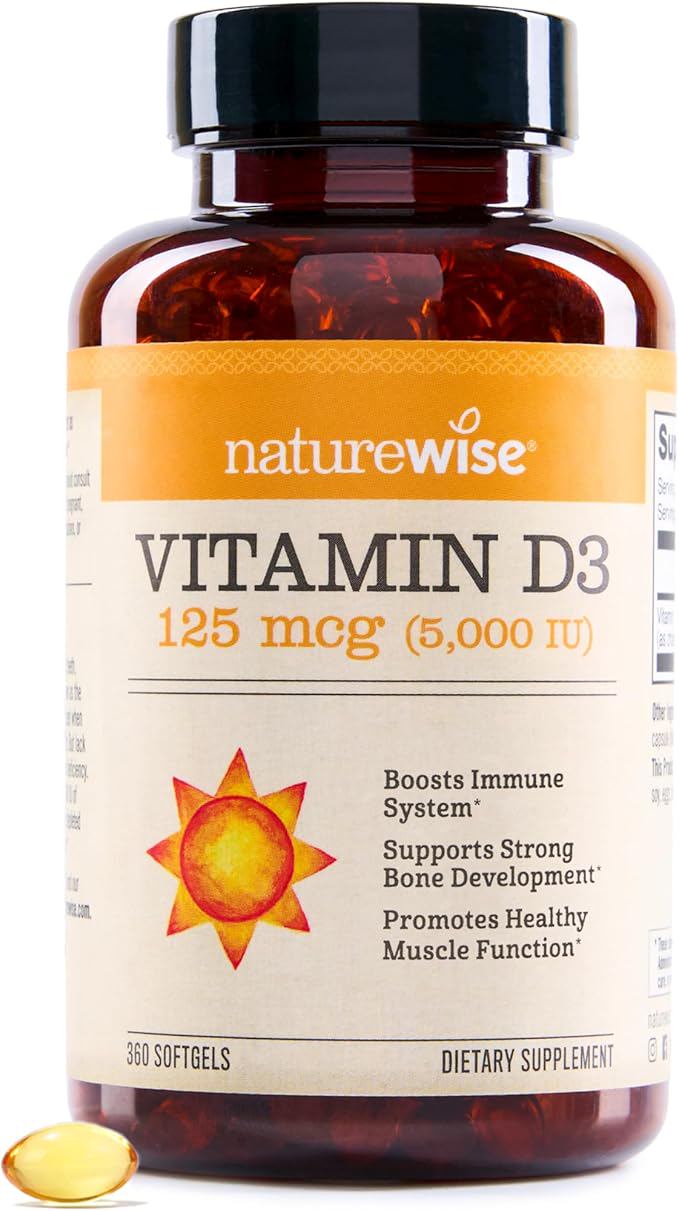
Regular weight-bearing exercise—such as brisk walking, stair climbing, or resistance training—also signals your body to maintain bone mass. When combined with a diet sufficient in calcium and vitamin D, reducing high-risk drinks becomes one more tool in a comprehensive bone-maintenance strategy, not a burdensome restriction.
Small, consistent adjustments add up over time. Swapping one daily soda for sparkling water, limiting coffee to two cups, and keeping alcohol to occasional use can meaningfully reduce the additional stress placed on your skeleton during this transitional decade.