
If you have diabetic neuropathy, your feet can lose the ability to feel pain, temperature, or even a small cut. This lack of sensation, combined with reduced blood flow, makes everyday foot care a critical health priority. A minor blister or a pebble in your shoe can quickly become a serious infection if you don't notice it in time. Protecting your feet isn't about being fearful—it's about building simple, consistent habits that keep you moving safely.
Medical experts emphasize that daily inspection and smart footwear choices are the frontline defense against complications like ulcers or infections. Here are four actionable, expert-backed tips to incorporate into your routine.
1. Make a Daily Foot Inspection Routine
You cannot rely on pain to signal a problem. Instead, make a visual check a non-negotiable part of your day, like brushing your teeth. Use a hand mirror to see the bottoms of your feet, or ask a family member for help. Look for blisters, cuts, redness, swelling, calluses, or any discoloration. If you wear socks, check them for any stains or moisture that might indicate a wound you missed. Catch small issues early before they escalate.
“Use a hand mirror to check the soles of your feet every evening. It takes 60 seconds and can save you weeks of healing.”
2. Wash and Moisturize with Care
Clean feet are healthy feet, but avoid soaking them. Hot water can burn skin you can't feel, and soaking can dry out your skin even more. Instead, wash your feet daily with lukewarm water (test the temperature with your elbow) and a mild soap. Pat them dry thoroughly, especially between the toes—moisture between toes invites fungal infections.
After drying, moisturize the tops and bottoms of your feet with a gentle lotion or cream, but never apply it between your toes. Keeping the skin flexible prevents painful cracks that can become entry points for bacteria.
3. Choose Footwear That Fits and Protects
Your shoes are your primary shield. Ill-fitting shoes are one of the most common causes of diabetic foot ulcers. Follow these guidelines when selecting and wearing footwear:
- For athletic shoes: Look for a wide toe box (so toes can wiggle), a firm heel counter (for stability), and a cushioned insole. Avoid pointed toes or high heels that put pressure on the ball of the foot.
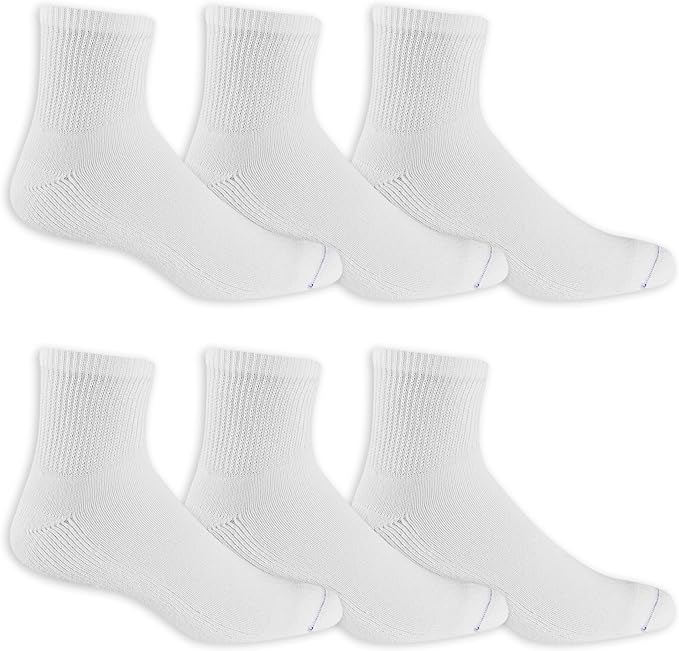
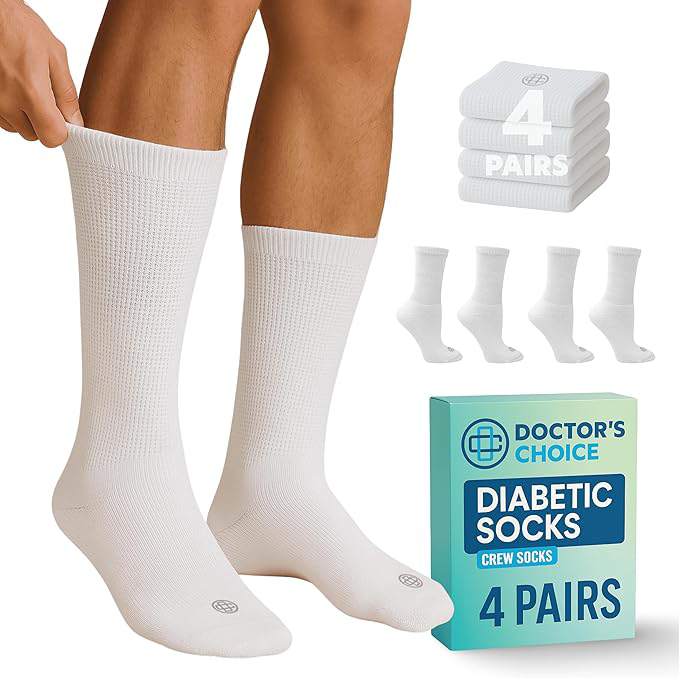
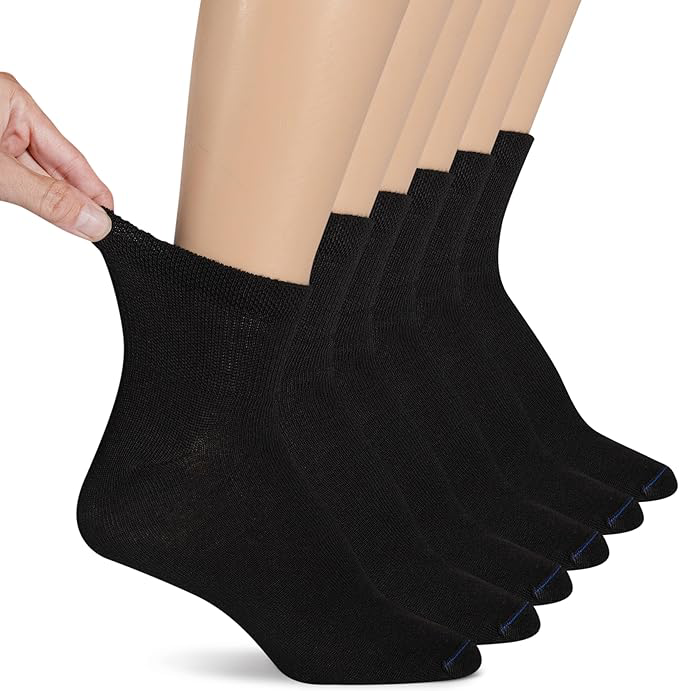
- For daily wear: Wear seamless, moisture-wicking socks (avoid tight elastic tops that cut off circulation). Change socks daily—or more often if they get wet.
- Safety checks: Shake out your shoes before putting them on. A small pebble or piece of debris you can't feel can cause a deep bruise or abrasion. Also, check the inside of your shoes for rough seams or worn spots.
4. Manage Your Blood Sugar and Stay Active
While foot care routines are essential, they work best when paired with systemic health management. Keeping your blood sugar levels within a target range helps slow the progression of nerve damage and improves circulation. Work with your healthcare team to set realistic glucose goals.
Physical activity is also a powerful tool. Low-impact exercises like walking, swimming, or chair yoga promote blood flow to your feet without causing trauma. Before starting new exercises, get clearance from your doctor and wear proper shoes. If you have an open sore or severe numbness, ask about adapted physical therapy options.
Taking care of your feet with diabetic neuropathy is about developing a reliable morning and evening routine. Daily checks, careful hygiene, protective footwear, and good blood sugar management form a simple but powerful four-point plan. For persistent issues like bunions, hammertoes, or stubborn calluses, consult a podiatrist who specializes in diabetic foot care.