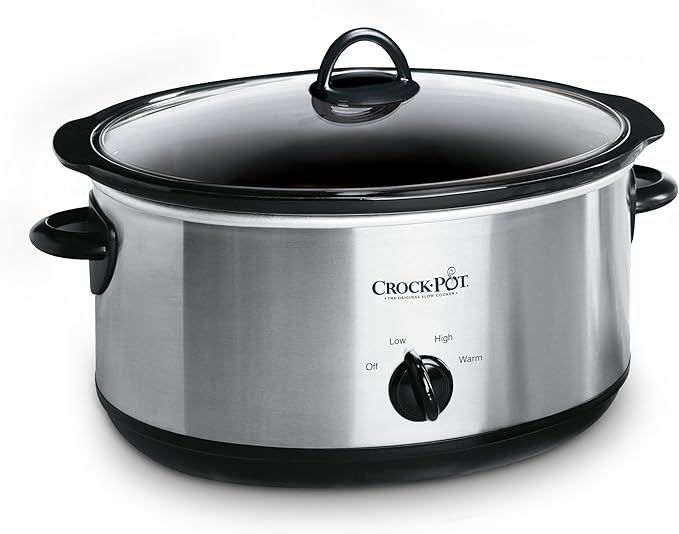

A bowl of soup from the slow cooker can be deeply satisfying, but sometimes that first ladleful tastes a little thin or lacks the texture you were hoping for. You might blame the recipe, but more often than not, the issue is the ingredients themselves. A few smart substitutions are all it takes to transform a light broth into something that feels like a meal.
I asked several registered dietitians and culinary chefs for their go-to swaps when they want a slow cooker soup that actually sticks to your ribs. Each suggestion keeps the prep easy, fits into a realistic meal-prep routine, and adds real substance without relying on heavy cream or processed thickeners. Here are four ingredient swaps they recommend.
Swap white potatoes for sweet potatoes or parsnips
Standard white potatoes break down and can turn gluey after hours in a slow cooker. Sweet potatoes and parsnips hold their shape better and bring a natural sweetness that balances savory broths. They also deliver more fiber and vitamin A per cup.
Chopped sweet potato adds a creamy texture once it softens, while parsnips give a slight, peppery bite that stands up to long simmering. Cut them into even cubes — about ¾ inch — so they cook at the same rate as the rest of your vegetables.
Replace half the broth with canned white beans
Pureed beans are one of the easiest ways to add body without adding cream or flour. A can of cannellini or great northern beans, drained, rinsed, and blended with a splash of broth, stirs right into the pot and makes the soup taste like it's been simmering all day.
The dietitians I spoke to pointed out that beans also improve the protein and fiber content noticeably. You still get the flavor of your original broth, but the texture changes from watery to velvety. This swap works especially well in chicken, vegetable, or minestrone-style soups.
Use farro or barley instead of white rice or pasta
White rice and small pasta shapes tend to overcook and become mushy when left in a slow cooker for hours. Hearty whole grains like farro, hulled barley, or brown rice hold their chew and actually improve as they absorb broth.
Farro has a nutty flavor that pairs well with mushroom or beef soup, and barley gives a pleasant, almost creamy consistency. Rinse the grains first, then add them early in the cooking cycle — they need the full time to become tender without turning to paste. If you want an even softer result, use pearled barley, which cooks more quickly than the hulled variety.
Opt for bone-in, skin-on chicken thighs over boneless breasts
Boneless, skinless chicken breasts often emerge from a slow cooker dry and stringy. Chicken thighs with the bone and skin intact stay moist and add a deeper, more savory flavor to the broth. The skin renders some fat during cooking, which carries flavor, and you can easily remove the bones and skin before serving.
The swap also saves you money: bone-in thighs usually cost less per pound. To keep the final soup from being greasy, refrigerate the soup after cooking so the fat solidifies on top, then scrape it off before reheating. The meat will still be tender and flavorful.
How to pull these swaps into your weekly meal prep
You don't have to overhaul a recipe all at once. Try one swap per batch, then adjust based on what your family enjoyed. The beauty of slow cooker soup is that it's forgiving — a little extra broth or a slightly bigger cut of vegetables rarely ruins the pot.
Consider prepping the ingredients the night before: chop sweet potatoes, rinse farro, and drain beans so that in the morning you just dump everything into the slow cooker and set the timer. Most of these heartier soups also freeze well, so you can double the batch and stash quart-sized containers for busy weeks.
Choosing more substantial ingredients doesn't mean extra work. It just means being a little more intentional with what you put in the pot. The result is a soup that feels nourishing and complete — exactly what you want from a meal you planned ahead.