Navigating weight changes during menopause often feels like an uphill battle. Hormonal shifts, particularly declining estrogen levels, can alter how your body stores fat and processes energy. While no single beverage is a magic bullet, strategic choices in what you drink can genuinely support your metabolism, curb cravings, and help you feel more balanced throughout the day.
As a health editor, I've combed through the latest research and spoken with registered dietitians specializing in menopausal health to bring you four evidence-backed drinks that can make a real difference. These aren't extreme cleanses or fads — they are practical, science-supported additions to your daily routine that target common menopause-related challenges like slowed metabolism, bloating, and sugar cravings.
1. Green Tea: A Gentle Metabolism Ally
Green tea is one of the most researched beverages for weight management at any life stage, but it holds particular promise during menopause. The key players are catechins — specifically epigallocatechin gallate (EGCG) — and a modest amount of caffeine. Together, they appear to slightly increase thermogenesis (the body's heat production) and fat oxidation.
What the science says: A 2022 meta-analysis found that regular consumption of green tea catechins led to small but significant reductions in body weight and waist circumference, particularly when combined with exercise. For menopausal women, who often experience a natural decline in resting metabolic rate, this gentle boost can help offset some of that shift.
Try this: Enjoy 2–3 cups of unsweetened brewed green tea spread throughout the morning and early afternoon. Matcha, a powdered form of green tea, delivers an even more concentrated dose of catechins — just one cup daily is enough.
Be mindful of the caffeine content if you're sensitive, especially if you struggle with sleep disturbances common in perimenopause. Opt for a decaffeinated version later in the day.
2. Protein-Packed Smoothies: Blood Sugar Stabilizers
Weight management during menopause isn't just about calories — it's about blood sugar regulation. Hormonal changes can make your cells more resistant to insulin, leading to more dramatic blood sugar spikes after meals, followed by crashes that trigger hunger and cravings for sugary snacks.
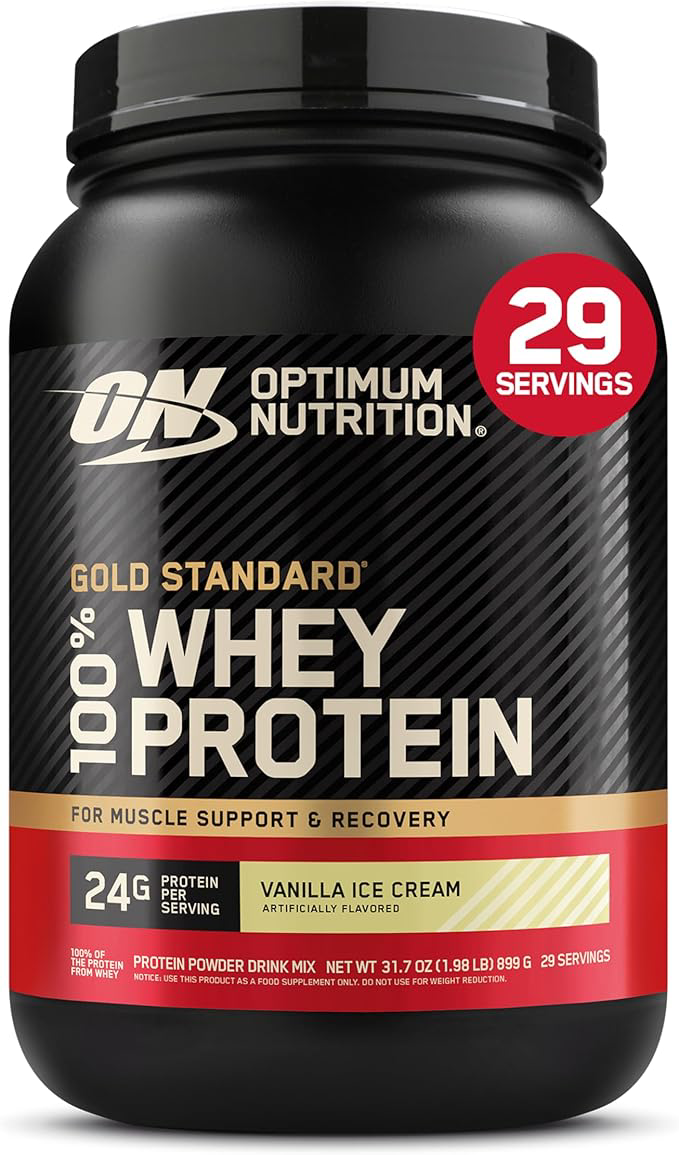
A well-constructed smoothie can break this cycle. The winning formula includes a protein source (such as unsweetened whey, pea, or soy protein powder), healthy fat (from avocado, nut butter, or flaxseed), and fiber-rich vegetables or low-sugar fruits (think spinach, frozen berries, or zucchini).
Why it works: Protein increases satiety and has a minimal effect on blood sugar. Fiber slows gastric emptying, preventing those rapid glucose swings. One small study found that postmenopausal women who consumed a higher-protein breakfast reported significantly fewer cravings throughout the afternoon.
Keep the sugar low — skip fruit juices, sweetened yogurts, and flavored syrups. A simple recipe might be one scoop of unsweetened vanilla protein powder, a handful of spinach, half an avocado, ice, and unsweetened almond milk. This makes a credible meal replacement if you're short on time, or a substantial snack between meals.
3. Spearmint Tea: Targeted for Hormonal Balance
Spearmint tea has gained attention for its potential to reduce androgen levels in women. While most research has focused on PCOS, the implications for menopause are relevant — especially since some women experience increased hair thinning, acne, or stubborn abdominal fat linked to a relative androgen excess as estrogen declines.
A study in Phytotherapy Research found that women with PCOS who drank two cups of spearmint tea daily for 30 days had significant reductions in free testosterone levels. Lower androgen levels are associated with improved body composition and reduced central fat storage.
For menopause specifically, spearmint tea may also soothe digestive discomfort and bloating — common complaints during this transition. It is naturally caffeine-free, making it an excellent evening option when you want to wind down without disrupting sleep.
Stick to two cups daily. Fresh spearmint leaves steeped for 5–10 minutes yield the most active compounds.
4. Lemon Water or Infused Water: Hydration and Curbing Cravings
This entry might seem almost too simple, but chronic underhydration is a frequently overlooked contributor to weight management struggles. During menopause, mild dehydration can masquerade as hunger, prompting unnecessary snacking. It also slows metabolism and exacerbates fatigue, making consistent movement harder.
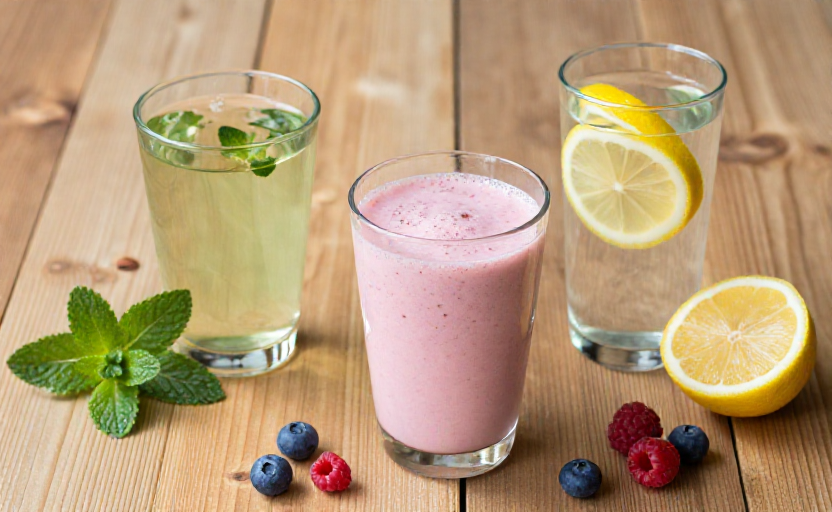
Adding lemon, cucumber, mint, or berries to your water does more than improve taste — it encourages greater fluid intake without added sugar or artificial sweeteners. Some evidence suggests citrus flavonoids may modestly support fat metabolism, but the primary benefit here is consistent hydration.
Aim for roughly eight 8-ounce glasses of fluids daily (adjust for activity level and climate). Start your morning with a glass of lemon water before your first coffee. Carry a reusable water bottle as a visual reminder. If you struggle with plain water, keep a large pitcher of infused water in the fridge at all times.
Quick caveat: If you have acid reflux, highly acidic lemon water may aggravate symptoms. Try cucumber and mint instead, which are gentle on the stomach.
What to Avoid or Reduce
Pairing these four drinks with reducing certain beverages can amplify your results. Here are the three biggest culprits during menopause:
- Sugary sodas and fruit juices: These spike blood sugar and insulin, directly promoting fat storage, especially around the abdomen.
- Excessive alcohol: Alcohol reduces sleep quality, lowers inhibition around food choices, and increases cortisol levels — a stress hormone linked to stubborn belly fat.
- Diet sodas and artificial sweeteners: Some research suggests these can disrupt gut microbiota and may paradoxically increase sugar cravings in some individuals.
The drinks above aren't a prescription — they're supportive tools. The most effective approach always includes adequate sleep, consistent physical activity (especially strength training, which helps preserve muscle mass that naturally declines with age), and a diet rich in whole foods. But when you focus on what's in your cup, you have a simple, daily lever to pull in favor of better metabolic health during menopause.