
When you live with diabetes, your feet can become fragile in ways you might not notice until something goes wrong. High blood sugar over time can damage nerves (a condition called neuropathy) and reduce circulation, which means small injuries heal slowly or not at all. The surprising part is that many of the daily habits that put your feet at risk feel completely normal—and that is exactly why they are so dangerous.
Here are four routines that many people with diabetes do without thinking, each one capable of silently harming foot health over weeks or months. Recognizing them is the first step toward protecting your feet for the long haul.
1. Walking barefoot around the house
It feels good to kick off your shoes at the end of the day. But for someone with diabetes, going barefoot even inside can be a stealthy hazard. Your feet may not feel a small pebble, a carpet fiber, or a stray tack—thanks to nerve damage that dulls sensation. These tiny objects can cause micro-cuts that go unnoticed until infection sets in.
A quick tip: Always wear well-fitted slippers or indoor shoes with a firm sole, even on carpet. Check your feet with a mirror if bending is difficult.
Diabetic neuropathy does not just affect the soles—it can reduce your ability to sense temperature, so stepping onto a hot bathroom floor or against a space heater can burn your skin without you realizing it. The combination of numbness, poor circulation, and delayed healing makes a simple floor abrasion a potential ulcer-in-waiting.
2. Soaking feet in hot water for too long
A long, hot foot soak sounds like a relaxing end to a busy day, and many people with diabetes do it to soothe tired feet. Unfortunately, this habit can be harmful for two reasons. First, nerve damage means you may not realize the water is too hot until the skin is burned. Second, soaking can strip the skin of its natural oils, making it dry and prone to cracking—a perfect entry point for bacteria.
In addition, prolonged soaking softens the skin to the point where it becomes fragile. When you dry your feet afterward, you can inadvertently rub off layers of skin, creating raw spots that do not heal well. Instead of soaking, try these alternatives:
- Wash your feet quickly in lukewarm water (test it with your elbow, not your foot).
- Pat dry gently, especially between the toes.
- Apply a fragrance-free diabetic lotion immediately while the skin is slightly damp.
If you crave the warmth, try a short soak of no more than 5 minutes, with water no hotter than 95°F (35°C)—just warm to the touch on a sensitive part of your inner arm.
3. Wearing tight shoes or socks with thick seams
Many people squeeze into shoes that are too narrow or short because they like the style or because their feet swell during the day. What feels like a tight fit may feel tolerable for a few hours, but for diabetic feet, constant pressure can cause ischemia—restricted blood flow that starves tissues of oxygen. Over time, this pressure may lead to calluses, blisters, or even painless wounds that become infected.
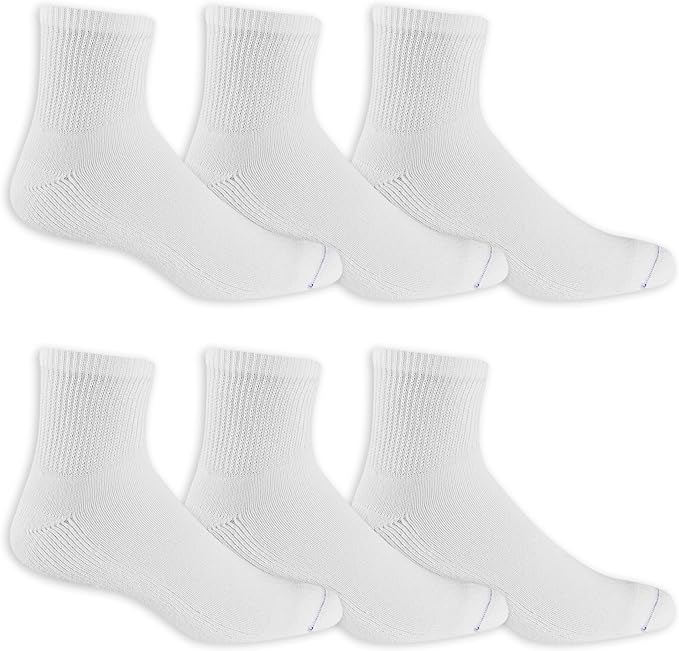
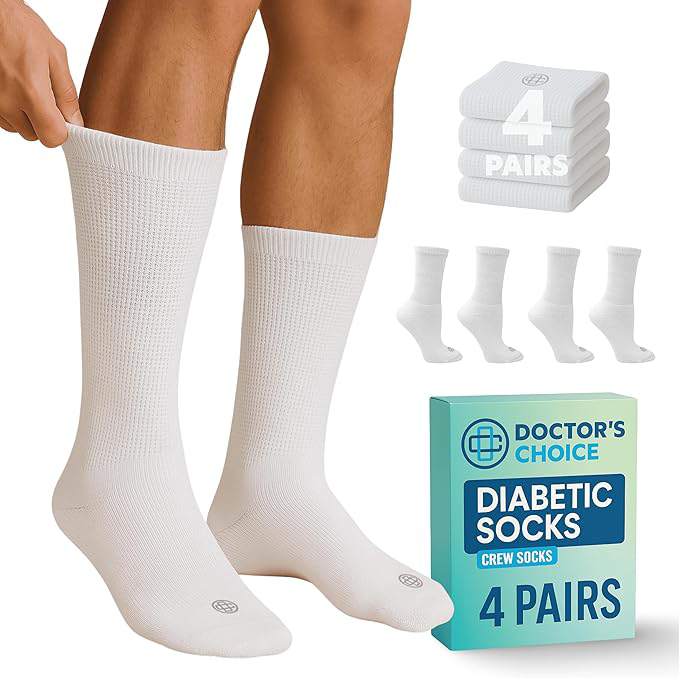
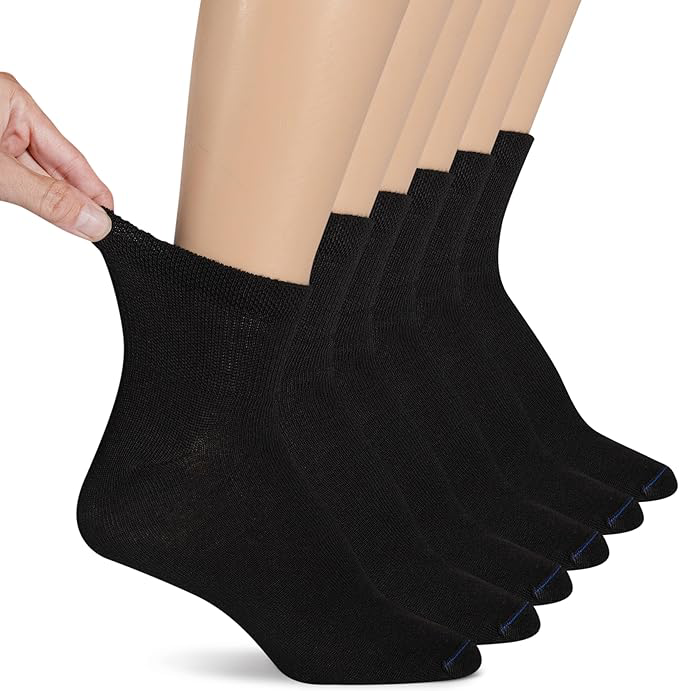
Socks deserve equal attention. Thick seams or elastic bands that leave red marks after removal can compress the foot and impair circulation. Look for seamless, non-binding diabetic socks that wick moisture away. When buying shoes, do this:
- Shop in the afternoon when feet are slightly swollen.
- Leave a thumbnail's width of space between the longest toe and the end of the shoe.
- Shake the shoes out before putting them on—sometimes a pebble or piece of debris gets trapped inside.
A simple pressure point today could become a chronic ulcer tomorrow. It is better to wear comfortable, properly fitted shoes than to compromise foot health for a look.
4. Trimming toenails too short or rounding the edges
Toenail care seems minor, but it is a common cause of injury in diabetic foot care. Cutting nails too short—especially on the corners—can lead to ingrown toenails, which are painful and prone to infection. For someone with diminished circulation, an infected ingrown toenail can become a serious problem that requires medical intervention, including antibiotics or minor surgery.
Another mistake is using sharp-pointed scissors or trying to dig out debris from under the nail. This can nick the skin around the nail bed, creating a portal for bacteria. The correct approach is straightforward:
- Trim nails straight across after a shower when they are softer.
- Use a nail file to gently smooth any sharp edges—do not cut them further.
- Never cut into the corners or down the sides of the nail.
If you have vision loss or feel unsure about your ability to trim safely, ask a podiatrist or a family member to help. It is one of those small habits that have an outsized impact on foot health.
How to build better foot habits
Breaking these four habits is not about willpower—it is about awareness and making small changes that become automatic. Create a simple evening routine: inspect your feet while you brush your teeth, put on slippers before you stand up, and moisturize before bed. Your feet do not have to be a constant source of worry if you make these protective steps part of what you already do.
If you notice any changes—a spot that looks different, a discolored area, or a minor cut that has not healed in a few days—call a foot specialist. In diabetic foot care, waiting is never the right move. A few minutes of prevention each day can help you avoid months of treatment and recovery.