
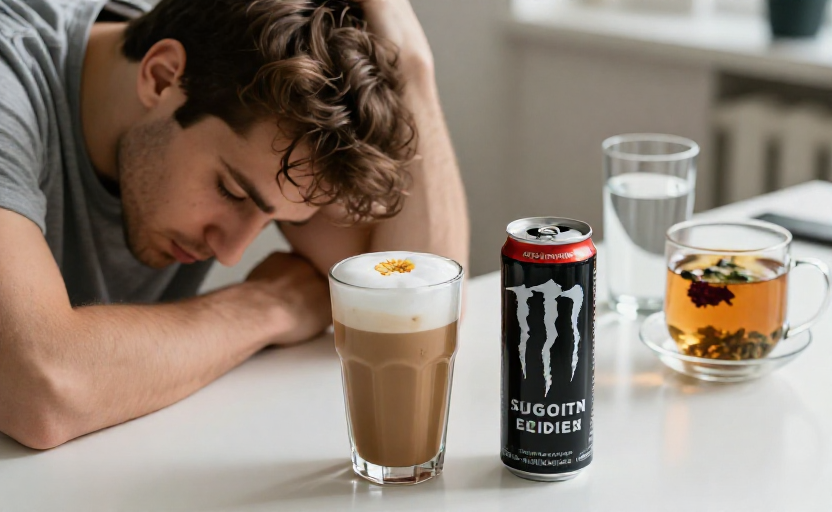
We often reach for a drink to get through a slump or calm a frazzled moment. That quick boost or sense of relief feels like a solution, but some beverages come with a hidden cost, quietly undermining the stable energy and calm focus we’re actually seeking. The very drinks marketed to energize or relax us can, paradoxically, leave us more drained and on edge.
Understanding how certain drinks affect your body’s systems is the first step toward making choices that support sustained vitality. It’s not about strict deprivation, but about mindful awareness. By recognizing which drinks tend to trigger energy crashes or heighten stress, you can navigate your day with more control over how you feel.
Why some drinks sabotage steady energy
Stable energy relies on balanced blood sugar and a calm nervous system. When you consume a drink high in refined sugar, your body responds with a rapid spike in blood glucose. To manage this surge, your pancreas releases a large amount of insulin, which can often overcorrect, leading to a sharp drop in blood sugar levels. This crash leaves you feeling fatigued, foggy, and craving another quick fix.
Similarly, drinks that overstimulate your adrenal glands—which produce stress hormones like cortisol and adrenaline—can keep your body in a prolonged state of low-grade alert. This state, often called “fight or flight,” is useful in short bursts but exhausting when sustained. It drains your energy reserves and makes it harder for your body and mind to truly relax and recover.
The goal isn’t to eliminate every challenging drink, but to understand their impact so you can choose when and how to include them.
Drinks that can disrupt your equilibrium
1. Sugary coffee drinks and energy drinks
While plain coffee in moderation can have benefits, the popular mochas, frappuccinos, and flavored lattes are often dessert in a cup. They combine a high dose of caffeine with a massive sugar load. This double whammy can cause a jarring cycle: the caffeine and sugar provide an intense, jittery high, followed by a steep crash as insulin does its work and the caffeine wears off. The result is less sustainable energy and more anxiety.
Pre-bottled energy drinks amplify this effect, often containing shocking amounts of sugar alongside other stimulants. They force your body into overdrive, depleting your natural energy stores and stressing your adrenal system.
2. Regular soda and sweetened teas
These are stealthy sources of liquid sugar. A single can of soda can contain nearly 40 grams of added sugar, which floods your bloodstream without any fiber, fat, or protein to slow its absorption. The immediate energy spike is brief, and the subsequent crash can leave you feeling more lethargic than before. Artificially sweetened diet versions aren’t a perfect solution either, as some research suggests they may still trigger insulin response and disrupt gut bacteria, potentially affecting mood and energy regulation.
3. Excessive alcohol
Alcohol is a depressant that initially may seem relaxing, but it significantly interferes with sleep architecture. It suppresses REM sleep, the deeply restorative phase crucial for cognitive function and emotional regulation. Even if you sleep for eight hours after drinking, you likely won’t wake up feeling rested. This leads to next-day fatigue, which many mistakenly try to counter with caffeine and sugar, creating a vicious cycle. Alcohol also acts as a diuretic, contributing to dehydration, which directly saps energy and concentration.
4. Artificially sweetened “zero-calorie” energy waters or sports drinks
Marketed as healthy alternatives, these drinks can be misleading. While they skip the sugar, they are often packed with artificial sweeteners, colors, and preservatives. For some individuals, these additives can cause digestive discomfort or headaches. Furthermore, the habit of reaching for a sweet-tasting, caffeinated beverage to solve an energy dip can prevent you from addressing the root cause, like dehydration, poor sleep, or nutrient needs.
Building better habits
Shifting away from drinks that destabilize you doesn’t mean a life of bland beverages. It’s about creating satisfying alternatives that genuinely support your well-being.
Start by prioritizing hydration with plain or infused water. Often, fatigue is simply a sign of mild dehydration. Herbal teas are another excellent pillar; choices like chamomile or lemon balm can promote calm, while peppermint or ginger tea can offer a refreshing lift without caffeine.
When you do want a coffee or tea, consider having it plain or with a modest amount of a natural sweetener like honey or maple syrup, and pair it with a small snack containing protein or healthy fat. This combination slows the absorption of caffeine and any sugar, leading to a smoother, longer-lasting effect.
Listen to your body’s signals. That mid-afternoon craving might be asking for a glass of water, a five-minute walk outside, or a handful of nuts—not another stimulant. By making these subtle shifts, you support your body’s natural rhythms, paving the way for more consistent energy and resilience against daily stress.