Retinoids are a powerful tool for skin health, but anyone who has used them knows the adjustment phase can be uncomfortable. Redness, peeling, and a general feeling of sensitivity are common side effects, often discouraging people from continuing a routine that could otherwise be transformative. While your skin adjusts, what you eat can play a meaningful role in supporting your skin barrier and calming that angry feeling.
We spoke with registered dietitians to identify specific foods that can help soothe retinoid-related inflammation from the inside out. These aren't miracle cures, but nutrient-dense additions that support your skin's natural repair processes and may help you tolerate your retinoid with less discomfort.
Why diet matters when you're on retinoids
Retinoids accelerate skin cell turnover, which is why they're so effective for texture, fine lines, and acne. This same process, however, can temporarily compromise the skin barrier, leaving it more vulnerable to moisture loss and irritation. Anti-inflammatory nutrients help counteract this reaction. Think of it as building a supportive foundation: a well-nourished body is better equipped to handle the retinoid-induced stress.
1. Salmon and other fatty fish
Fatty fish like salmon, mackerel, and sardines are among the best sources of omega-3 fatty acids, particularly EPA and DHA. These essential fats are structural components of skin cell membranes and have potent anti-inflammatory properties.
“In my practice, I often see clients who are using retinoids and struggling with dryness and redness,” says a registered dietitian. “Adding omega-3 rich fish a few times a week provides the raw materials your skin needs to repair its lipid barrier, which can visually reduce irritation over time.” Aim for two servings of wild-caught fatty fish per week. If fish isn't your thing, a high-quality algae-based omega-3 supplement is a reasonable alternative, but whole food sources offer a complete nutrient package.
2. Avocados: more than just healthy fats
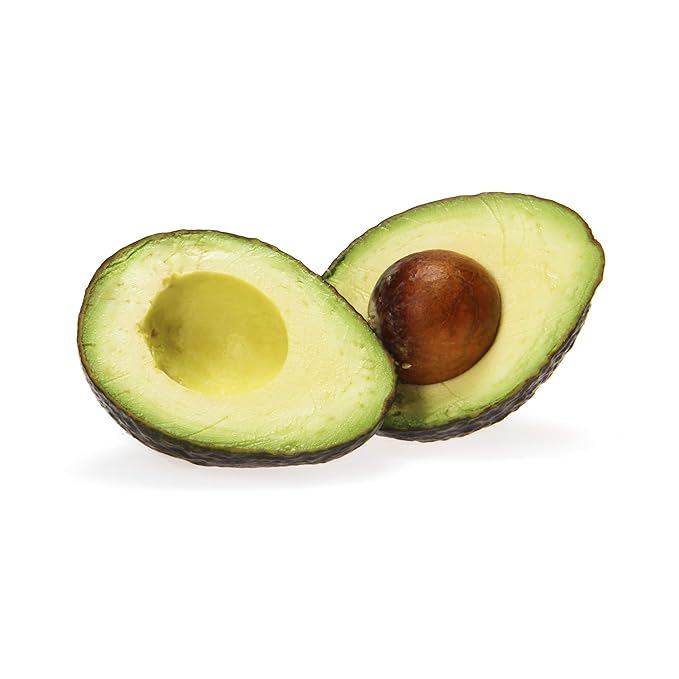
Avocados are a true skin superfood. They are rich in monounsaturated fats, which help maintain skin pliability and moisture. More critically, they are packed with vitamin E, a fat-soluble antioxidant that protects skin cells from oxidative damage—damage that retinoids can exacerbate during the initial adjustment phase. They also provide a good amount of vitamin C, which is necessary for collagen synthesis.
Eat half an avocado with a squeeze of lemon a few times a day. It’s a simple, whole-food way to deliver the fat-soluble vitamins your skin barrier craves. The healthy fats also aid in the absorption of other fat-soluble nutrients you consume.
3. Sweet potatoes and other orange vegetables
Sweet potatoes, carrots, and butternut squash are excellent sources of beta-carotene, which the body converts into vitamin A. While this might sound counterintuitive when you are already using a retinoid (a vitamin A derivative), dietary beta-carotene is processed differently and acts as a gentle antioxidant. It helps protect skin from sun sensitivity, which is notoriously heightened by retinoid use.
“Beta-carotene is not converted to retinoic acid at levels that interfere with your topical treatment,” explains a dermatology dietitian. “Instead, it serves as a systemic backup guard against UV-induced inflammation, which can worsen retinoid irritation.” Roast sweet potato cubes as a side dish or snack on carrot sticks with hummus to get a steady supply.
4. Bone broth and collagen-supporting foods
Retinoids can disrupt the skin's moisture barrier, leading to transepidermal water loss. Bone broth is naturally rich in glycine, proline, and glutamine—amino acids that are crucial for repairing the gut lining and, by extension, systemic inflammation. More directly, these amino acids are the building blocks of collagen, the protein that gives skin its structure and resilience.
While the direct benefits of drinking bone broth for skin are still being studied, many dietitians recommend it as part of an anti-inflammatory diet. For a plant-based alternative, focus on foods that boost your body's own collagen production: berries (vitamin C), pumpkin seeds (zinc), and leafy greens (silica). Drinking ample water throughout the day is equally critical for maintaining skin hydration when using a retinoid.
A diet heavy in processed foods, sugar, and unhealthy fats can amplify systemic inflammation, making retinoid-related irritation worse. Focus on whole foods to give your skin the best chance to adapt quickly.
Putting it all together
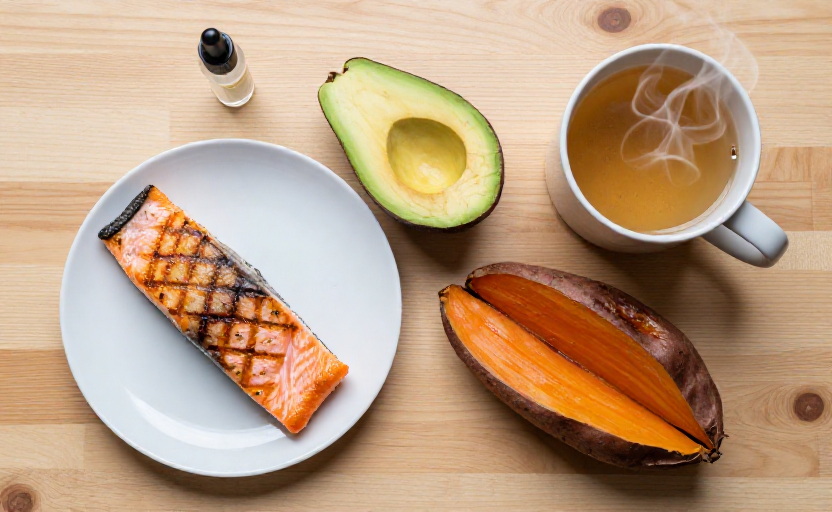
Integrating these foods doesn't require a rigid meal plan. A single day might look like oatmeal with berries and pumpkin seeds for breakfast, a large salad with avocado and grilled salmon for lunch, roasted sweet potatoes as a side for dinner, and a mug of bone broth in the afternoon. The key is consistency: providing your body with steady, anti-inflammatory nutrition gives your skin the background support it needs to handle the retinoid process with less drama.
Always apply a broad-spectrum sunscreen diligently when using retinoids, as they increase photosensitivity. And remember, if irritation is severe or persistent, it is essential to consult your dermatologist—they may recommend adjusting the frequency or strength of your retinoid, or a different formulation entirely.