
Bone density loss isn’t something you feel until a fracture happens, but the process often begins silently in your 30s and accelerates after menopause. The good news: small, consistent daily habits can slow that loss and keep your skeleton stronger for longer. Here are four research-backed practices that target bone health directly, without requiring a complete life overhaul.
Morning weight‑bearing movement
Bone is living tissue that responds to physical stress. When you apply force through your skeleton—especially through your hips and spine—bone‑building cells get a signal to lay down more mineral. The best time to do it? Morning, when your cortisol is naturally higher and your body is primed for activity.
You don’t need a gym. A brisk 20‑minute walk (ideally outdoors, on varied ground) delivers enough impact to stimulate density in the lower body. If walking feels too gentle, add ankle weights or carry a light backpack. For a stronger stimulus, try three sets of heel drops: stand on a step, rise onto your toes, then drop your heels firmly below the step edge. Do this every morning, and you’re giving your femur and lumbar spine a daily dose of load they need.
Resistance also counts. Push‑ups against a wall, squats into a chair, or lunges while holding a soup can all count as weight‑bearing activity. The goal is consistency, not intensity.
Protein at every meal
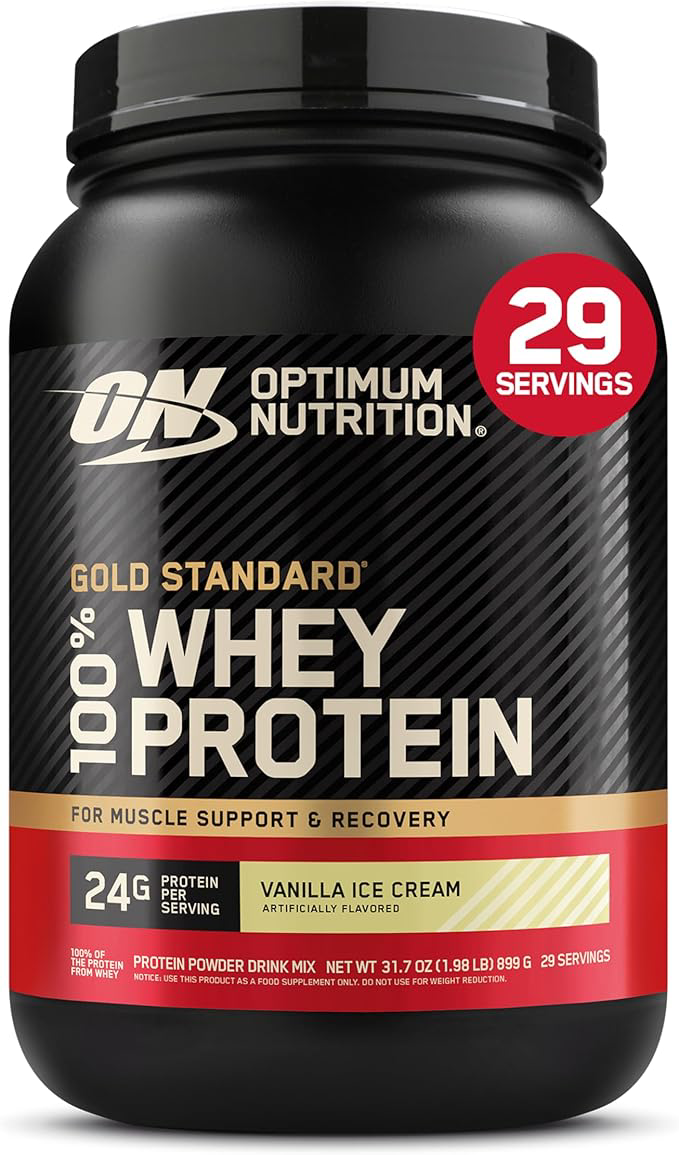
Calcium gets all the attention, but protein is the structural scaffolding that holds that calcium in place. Without enough protein, your bone matrix becomes brittle, even if you’re taking supplements.
Distribute protein across your day—roughly 20–30 grams per meal. That could be two eggs at breakfast, a cup of Greek yogurt at lunch, and a palm‑sized portion of chicken or tofu at dinner. Plant sources like lentils, beans, and edamame work well, too. The key is avoiding a carb‑heavy breakfast or a salad‑only lunch that leaves you short on building blocks for bone repair.
Quick tip: If you eat a mostly plant‑based diet, pair legumes with a grain (rice and beans, hummus and pita) to create a complete protein profile.
Strategic calcium and vitamin D timing
Calcium isn’t stored well without vitamin D, and vitamin D is best absorbed when taken with fat. But the real secret is when you consume them.
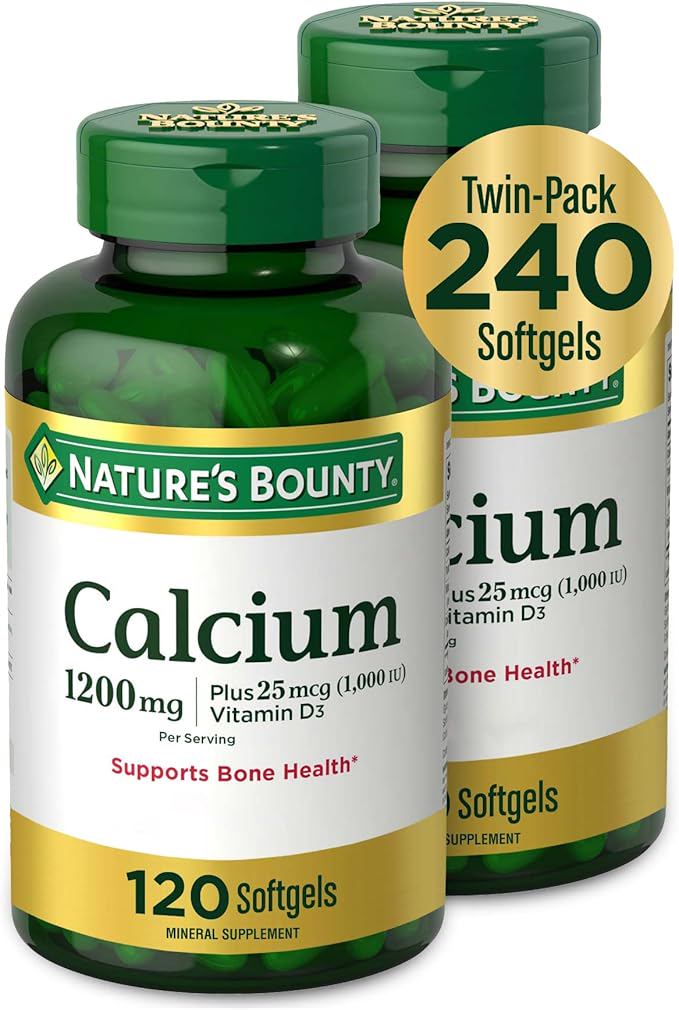
Most people get enough calcium from food if they prioritize dairy, leafy greens, fortified plant milks, and canned fish with bones (like sardines). Aim for three servings of calcium‑rich foods per day. If you use a supplement, take it with a meal that contains some fat (like avocado or olive oil) and at least four hours apart from any iron supplement or high‑fiber meal, since fiber and iron can block absorption.
Vitamin D is trickier because food sources are limited. Fatty fish, egg yolks, and fortified milk help, but many women over 50 need a vitamin D supplement—especially in winter or if you wear sunscreen religiously. A typical maintenance dose is 600–800 IU daily, but your doctor can test your level and adjust as needed.
Fall‑proofing your home environment
Strong bones are useless if a fall breaks them. Fracture risk is a combination of bone density and fall likelihood, and simple environmental tweaks cut that risk dramatically.
Start with your bathroom: install grab bars near the toilet and in the shower. Remove loose rugs or secure them with non‑slip backing. Improve lighting on staircases and in hallways, especially night paths. Wear shoes with good traction indoors instead of slippers or socks on hard floors. If you have pets, be aware of where they sleep—tripping over a cat in the dark is a common fracture story.
These changes feel small, but they compound. A 2019 review in the Journal of the American Geriatrics Society found that home‑modification programs reduced falls by as much as 38% among older adults.
Putting it together
You don’t need a rigid checklist. Start with one morning walk, add protein to your lunch, check your calcium intake at dinner, and spend an afternoon securing rugs. After a week, add the next habit. Bone turnover happens over months and years, not days—so patience and consistency are your real allies.
If you have osteoporosis or a history of fracture, these habits are complementary to any treatment your doctor prescribes, not a replacement. But for most women navigating perimenopause and beyond, these four daily anchors can keep your skeleton dense, resilient, and far less likely to break.