
You already know that sun exposure is the single biggest driver of premature aging. But if you spent your twenties chasing a tan or forgot sunscreen more often than you applied it, you might assume the damage is permanent. The good news is that your skin has a remarkable capacity for repair—especially when the damage is still in its early stages, before deep wrinkles and pigment changes become entrenched. Recent dermatological research points to four daily habits that can actively help reverse the earliest signs of UV injury.
These aren't expensive laser treatments or prescription-only interventions. They are straightforward, science-backed practices that you can integrate into your morning and evening routine. Here is what the evidence suggests.
1. Use a Broad-Spectrum Sunscreen Every Single Day
This might sound obvious, but it is the most powerful reparative step you can take. The logic is simple: you cannot reverse damage while new damage is still happening. Research published in the journal Photodermatology, Photoimmunology & Photomedicine shows that consistent daily use of a broad-spectrum sunscreen (SPF 30 or higher) does more than prevent future photoaging—it allows your skin's natural DNA repair mechanisms to catch up with existing damage. Over a period of several months, participants who applied sunscreen daily saw measurable improvements in skin texture, pigmentation evenness, and collagen density.
The key is consistency. A beach-day application is not enough. Make it a non-negotiable part of your morning routine, even in winter or when you are mostly indoors. Windows let in UVA rays, which penetrate glass and contribute to collagen breakdown.
2. Apply a Topical Antioxidant (Especially Vitamin C)
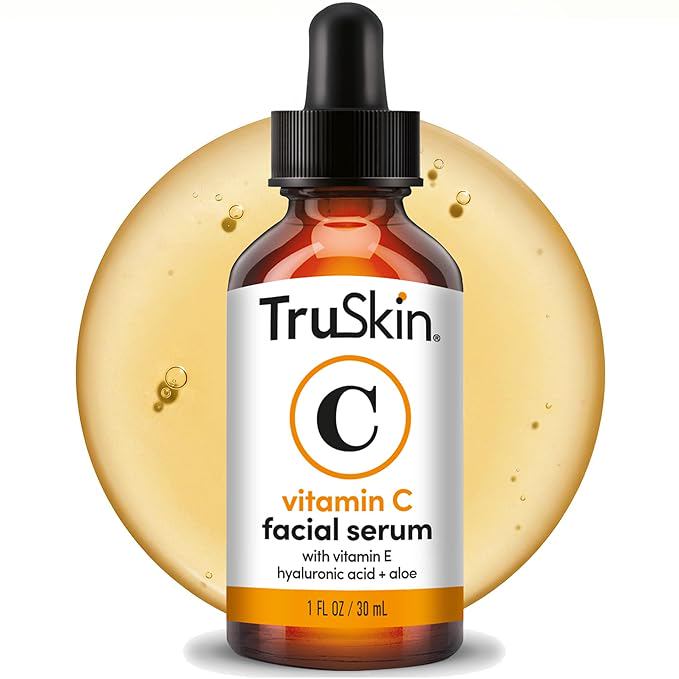
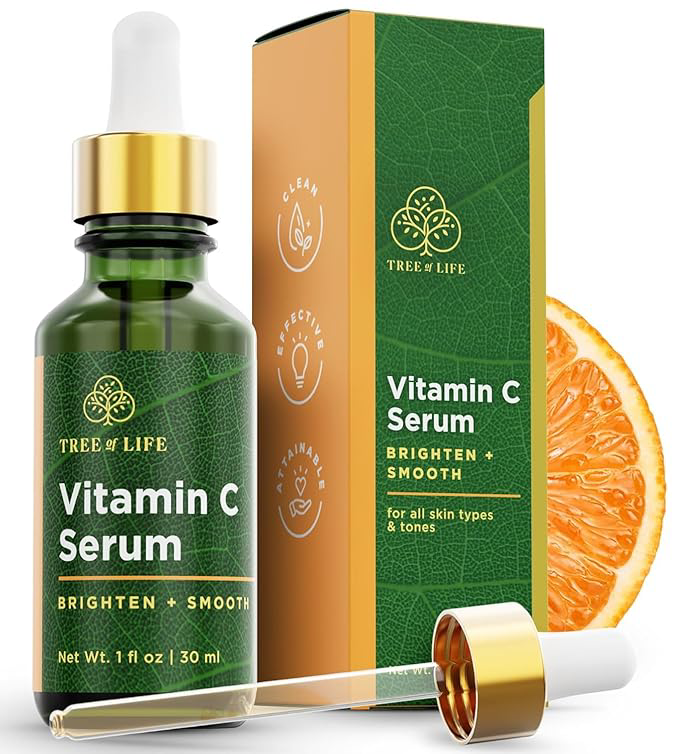
If sunscreen is your shield, a topical antioxidant is your cleanup crew. UV radiation generates free radicals that attack collagen and elastin fibers. Vitamin C (specifically L-ascorbic acid) is the most well-studied antioxidant for reversing early photoaging. It neutralizes those free radicals and, crucially, it stimulates collagen synthesis.
A 2023 review in the Journal of Cosmetic Dermatology noted that daily application of a stable vitamin C serum can reduce fine lines, improve skin firmness, and fade hyperpigmentation caused by UV exposure. The catch is that vitamin C is notoriously unstable in formulas. Look for a product in an opaque, airtight bottle, and apply it in the morning before sunscreen. The two work synergistically: vitamin C boosts the protective power of sunscreen, and sunscreen protects the vitamin C from breaking down too quickly.
3. Support Your Skin's Nighttime Repair with Retinoids
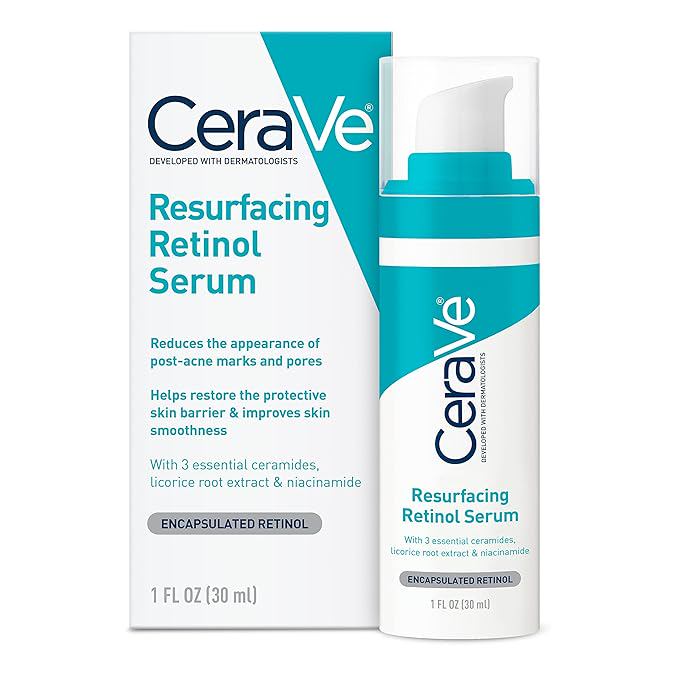
While daytime is about protection, nighttime is when your skin shifts into repair mode. Retinoids—derivatives of vitamin A—are the most evidence-backed ingredients for reversing visible UV damage. They work by accelerating cell turnover and stimulating collagen production deep in the dermis. Over-the-counter retinol has been shown in multiple clinical trials to reduce the appearance of fine wrinkles, mottled pigmentation, and rough texture after 8–12 weeks of consistent use.
The research is clear: retinoids do not just prevent aging; they actually reverse some of the structural damage caused by UV rays. However, they require patience. Start with a low concentration (0.25% to 0.5%) applied two to three times per week, and always use a moisturizer afterward to buffer irritation. Never combine retinol with vitamin C in the same routine—use vitamin C in the morning and retinol at night.
4. Include Niacinamide in Your Daily Regimen
Niacinamide, also known as vitamin B3, is a quieter workhorse in the anti-aging world. Unlike vitamin C or retinol, it is gentle enough for almost every skin type, yet the research on its ability to reverse UV damage is impressive. A landmark 2015 study in Dermatologic Surgery found that 4% niacinamide significantly reduced fine lines, hyperpigmentation, and sallowness after 12 weeks of daily use.
How does it help? Niacinamide boosts the production of ceramides (your skin's natural moisture barrier), which UV rays degrade. It also inhibits the transfer of melanin to skin cells, which gradually fades sunspots and prevents new ones from forming. You can use it in either your morning or evening routine, and it pairs well with both vitamin C and retinoids. Many dermatologists recommend it as the most underrated ingredient for repairing early photoaging.
A practical note about patience. Skin cells turn over roughly every 28 days, and collagen remodeling takes months. Do not expect visible results in a week. The research suggests that consistent practice of these four habits for 12 to 24 weeks produces the most meaningful changes. That said, the cumulative effect is powerful: each habit supports a different pathway of repair, from DNA recovery to structural rebuilding.
If you are overwhelmed by the number of products on the market, start with the sunscreen and a basic moisturizer. Once that is a solid habit, add one active ingredient at a time. Your skin—and your future self—will thank you.