
Mental clutter doesn't always announce itself. It accumulates slowly—through endless notifications, unfinished to-do lists, and the low hum of decisions we keep postponing. Over time, that noise weighs on the mind and disrupts the one thing that should feel automatic: sleep. The good news is that small, consistent daily habits can quietly dial down the overload without requiring a complete life overhaul.
Below are four grounded practices that help clear mental static and set the stage for deeper, more restorative sleep. They’re not about perfection—they’re about quiet, sustainable shifts.
1. Schedule a deliberate “stop time” for decisions
Decision fatigue is one of the most underrated sources of mental exhaustion. From what to eat for lunch to how to respond to an email, each choice chips away at your cognitive reserves. By evening, your brain is fried—yet you’re expected to wind down.
A simple countermeasure: set a cutoff time for non-essential decisions. Maybe that means planning your outfit and meals the night before, or deciding that after 8 p.m., you won’t make any choices that aren’t strictly necessary. This doesn’t eliminate all decisions, but it prevents the mind from spinning on trivial ones when you’re trying to rest. Over time, the pattern trains your brain to recognize that the second half of the evening is for settling, not solving.
2. Build a “brain dump” ritual 90 minutes before bed
The mind often races at night because it’s trying to remember everything you didn’t process during the day. Unfinished tasks, lingering worries, and sudden ideas all compete for attention just when you want quiet.
A brain dump is a structured way to externalize that chatter. About 90 minutes before you plan to sleep, take a notebook or a blank document and write down everything on your mind—tasks, frustrations, tomorrow’s reminders, random thoughts. No organizing, no judgment. The goal is to get it out of your head and onto paper.
Once it’s written, your brain can let go, knowing the information is stored somewhere safe. This one habit can cut the time it takes to fall asleep by reducing mental replay.
Keep the notebook by your bed if you wake up with ideas. The act of offloading is more powerful than most people realize.
3. Move your body with intention, not obligation
Exercise is often framed as a chore—something you have to do for weight or fitness. But when you approach movement as a way to reset your nervous system, it becomes a tool for mental clarity, not just calorie burn.
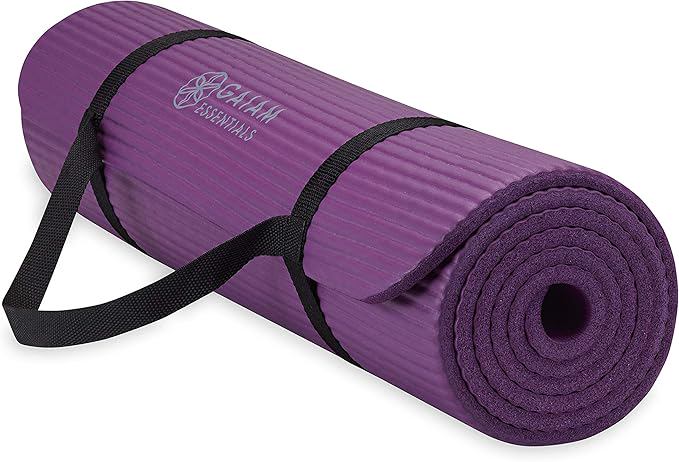
The key is intention. A 20-minute walk where you pay attention to your breath and surroundings releases different neurochemicals than a distracted treadmill session while scrolling your phone. Gentle yoga, stretching, or even slow dancing in your living room can lower cortisol levels and signal to your body that it’s safe to rest later.
- Aim for movement earlier in the day or early evening—vigorous exercise too close to bed can be stimulating.
- Even five minutes of deliberate stretching before showering can shift your mental state.
- Consistency matters more than intensity. A daily short walk is more effective at reducing cumulative stress than a punishing workout once a week.
4. Create a sensory wind-down cue
Your environment constantly feeds your brain information. Bright lights, background noise, and even lingering smells can keep your mind in an alert or processing mode. A sensory wind-down is a set of small, repeatable signals that tell your brain it’s time to transition from “doing” to “being.”
This might include dimming lights an hour before bed (avoid blue light from screens), using a consistent scent like lavender or chamomile, or switching to a low-stimulation activity such as reading a physical book or listening to calm instrumental music. The repetition of these cues trains your brain to associate them with rest, making the transition into sleep smoother over time.
These four habits are not about rigid rules. They’re about creating small pockets of mental quiet in a world that’s constantly asking for more attention. When practiced regularly, they can reduce the feeling of overwhelm that often blocks sleep. Start with one, see how it feels, and let the change build naturally.