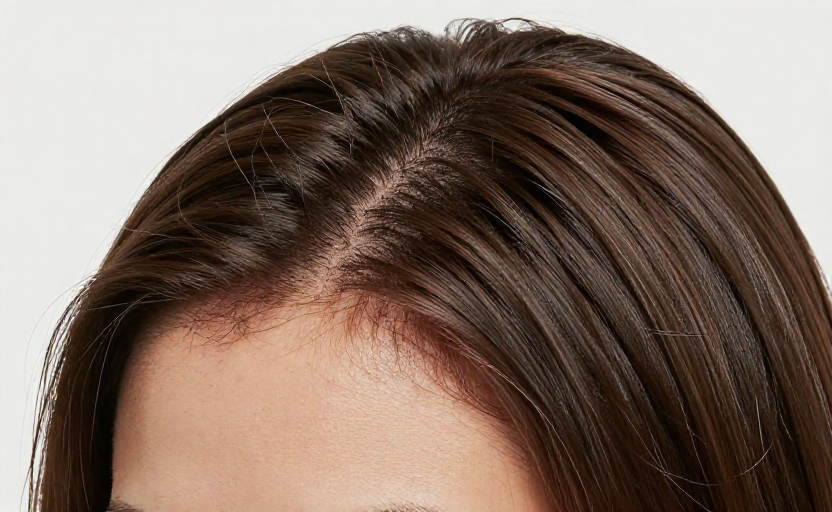
Winter has a way of sneaking up on your scalp. One day everything feels normal; the next, you notice flakes, tightness, and a dry, itchy feeling that no amount of scratching seems to fix. That discomfort is more than just annoying—if you respond to it the wrong way, you can accidentally turn a simple dry scalp into a full-blown hair breakage problem.
Dryness alone is manageable. Breakage is the real trouble. When the scalp lacks moisture, the hair shaft becomes brittle, and everyday actions like brushing, washing, or even sleeping on a cotton pillowcase can cause strands to snap. The good news is that most people make the same few correctable mistakes. Here are four common missteps that can turn a dry scalp into significant hair breakage—and what to do instead.
1. Washing with water that is too hot
A steaming hot shower feels amazing when the temperature drops, but your scalp does not share that enthusiasm. Hot water strips the natural sebum layer that protects your scalp and keeps hair flexible. Without that protective barrier, the scalp dries out faster, and the hair cuticle lifts, making strands more porous, weaker, and prone to snapping.
Lukewarm water is the safer choice for winter hair washes. It cleans effectively without depleting moisture. If you really miss the heat, try finishing your wash with a cool rinse to help seal the cuticle and add shine. Small adjustments make a big difference when your goal is to keep fragile winter hair intact.
2. Over-relying on heat styling tools
Blow-dryers, flat irons, and curling wands are tempting in cold weather—they dry hair fast and create warmth. But heat styling accelerates moisture loss. When the scalp is already dry, applying direct heat can cause the protein structure of the hair to weaken, leading to split ends and breakage near the root.
Air-drying is the safest method during winter, even if it takes longer. If you must use a blow-dryer, keep it on a low or cool setting and always apply a heat protectant spray or serum first. Limit straighteners and curling irons to once a week or less. Your hair will hold onto the moisture it needs to stay strong.
3. Skipping weekly oil treatments
Many people forget to oil their scalp in winter because they assume the flakes are dandruff that needs drying out. In reality, winter flakes are often dry scalp, which responds well to moisturizing oils. Skipping oiling leaves the scalp parched and the hair shaft rough, and rough hair breaks more easily.
A weekly oiling session with a deeply hydrating oil—like coconut oil, olive oil, or almond oil—can restore flexibility to the hair and calm the scalp. Warm the oil slightly before applying it to improve absorption. Focus on the scalp and work through the ends. If you have visible flakes, a few drops of lemon juice in the oil can help without over-drying. Consistency matters more than quantity: one thorough treatment per week is usually enough to prevent breakage.
4. Washing hair too often with harsh shampoo
In summer, washing every day or every other day feels normal. In winter, that same habit can become a breakage trigger. Frequent washing—especially with sulfate-heavy shampoos—strips the scalp of oils it cannot replace quickly in cold, dry air. The result is a tight, flaky scalp and hair that looks dull and snaps off easily.
Cutting back to one or two washes per week gives your scalp time to rebuild its natural moisture barrier. On non-wash days, a gentle scalp massage with your fingertips (not nails) can stimulate circulation without stripping oils. When you do wash, use a mild, sulfate-free shampoo and follow with a deep conditioner. The extra time between washes actually protects your hair and helps it grow longer.
Dry scalp in winter is very common, but it does not have to spiral into hair breakage. The underlying theme of all these mistakes is the same: moisture loss. Protect your scalp's natural oils, reduce heat exposure, and wash less frequently. These four changes cost nothing and can keep your hair healthy and resilient through the coldest months.