If you have hyperthyroidism, you already know the feeling — a heart that seems to pound, race, or skip beats for no obvious reason. For many, this is the most unsettling symptom of an overactive thyroid, and it can dominate daily life. But beyond the medication and monitoring, there are everyday habits and decisions that can either calm that racing heart or make it significantly worse. Understanding these common mistakes is a powerful step toward regaining a sense of control.
We are not talking about rare medical oversights here. The following missteps are remarkably common, often rooted in well-meaning attempts to feel better or simple daily routines that clash with a hyperthyroid state. Let us walk through four of the most frequent pitfalls and, more importantly, how to steer clear of them.
1. Mistaking Anxiety for the Sole Cause and Ignoring Stimulants
It is easy to assume that a pounding heart is just anxiety — especially because hyperthyroidism can make you feel jittery and on edge. This is a trap. While anxiety can certainly raise your heart rate, the core issue is metabolic: your thyroid is producing too much hormone, which directly speeds up your body's engine, including your heart rate. Confusing the two often leads people to overlook the impact of dietary stimulants.
Caffeine is the most common offender. Coffee, black tea, green tea, energy drinks, and even some sodas can send your heart rate soaring when your thyroid is already in overdrive. Many people cling to their morning coffee as a lifeline, but for those with hyperthyroidism, it can be like adding gasoline to a small fire.
What slides under the radar for many is that other substances have a similar effect. Nicotine, found in cigarettes and vaping products, is a powerful stimulant that can worsen palpitations. Even seemingly benign items like decongestants (found in many cold and allergy medications) and diet pills can contain stimulants that spike heart rate.
The practical shift: For a period of two weeks, try eliminating caffeine entirely and observe your resting heart rate. Swap coffee for a non-caffeinated herbal tea like chamomile or rooibos. Be a label detective on over-the-counter medications, looking for ingredients like pseudoephedrine or phenylephrine. If you vape or smoke, this is a powerful reason to seek support for quitting.
A single cup of strong coffee can raise heart rate by 10-15 beats per minute in a person with untreated hyperthyroidism. The effect is cumulative.
2. Skipping Meals or Following an Unbalanced Diet
Hyperthyroidism puts your metabolism into overdrive. Your body burns through calories and nutrients at a faster rate than normal. One of the most counterintuitive mistakes is skipping meals — perhaps to manage weight, or simply because the condition can suppress appetite. This is a direct path to worsening heart symptoms.
When you skip a meal, your blood sugar can dip. A drop in blood sugar triggers the release of stress hormones like adrenaline and cortisol, which are designed to raise blood sugar back up. These same hormones also directly stimulate the heart, causing it to beat faster and harder. For someone with hyperthyroidism, whose heart is already sensitive to stimulation, this can trigger significant palpitations.
Beyond calories, the type of food matters. A diet high in refined sugar and simple carbohydrates — white bread, sugary snacks, soda — causes rapid spikes and crashes in blood sugar. These swings are inflammatory and can destabilize heart rhythm.
The practical shift: Eat small, balanced meals every three to four hours. Each meal should combine a lean protein (like chicken, fish, tofu, or beans), a healthy fat (avocado, olive oil, nuts), and complex carbohydrates (whole grains, vegetables). This keeps blood sugar steady and provides the sustained energy your hyper-metabolic body needs. Avoid going longer than five waking hours without eating.
3. Pushing Through Intense Exercise
Exercise is healthy. Exercise lowers stress. Exercise is good for your heart. These statements are true for many people, but when you have uncontrolled hyperthyroidism, the old advice of "pushing through" can be dangerous. A common mistake is trying to maintain the same workout intensity as before your diagnosis, thinking it will help you feel normal again.
Here is the reality: an overactive thyroid already raises your resting heart rate and places a continuous strain on your cardiovascular system. High-intensity interval training, heavy weightlifting, or long-distance running on top of this can push your heart rate into a danger zone. The heart may not be able to pump blood efficiently at these extreme rates, leading to palpitations, shortness of breath, and in rare cases, more serious cardiac events.
The practical shift: Work with your doctor to define a safe heart rate zone for exercise — this is often lower than standard calculations. Focus on zone 2 cardio: an intensity where you can still hold a conversation without gasping. Walking, gentle cycling, swimming, and restorative yoga are excellent choices. Avoid exercises that involve holding your breath or heavy straining (like heavy deadlifts or max-effort sprints). View exercise as gentle movement for now, not performance.
Listen to your body. If exercise makes your palpitations worse or leaves you exhausted for hours, you are exceeding your current safe threshold. Dial it back.
4. Forgetting the Mineral-Magnesium Connection
Many people manage symptoms with medication and diet but neglect a key piece of the puzzle: electrolyte balance, specifically the role of magnesium. Hyperthyroidism increases the body's metabolic rate, which can deplete important minerals more quickly. A deficiency in magnesium is particularly problematic for heart symptoms.
Magnesium is essential for the proper electrical conduction of the heartbeat. It helps regulate the movement of calcium and potassium across heart cell membranes, which is what allows the heart to contract and relax rhythmically. When magnesium levels are low, the heart muscle can become irritable, leading to palpitations, a sensation of skipped beats, or an irregular rhythm.
Stress, caffeine, and certain thyroid medications can further deplete magnesium levels, creating a vicious cycle.
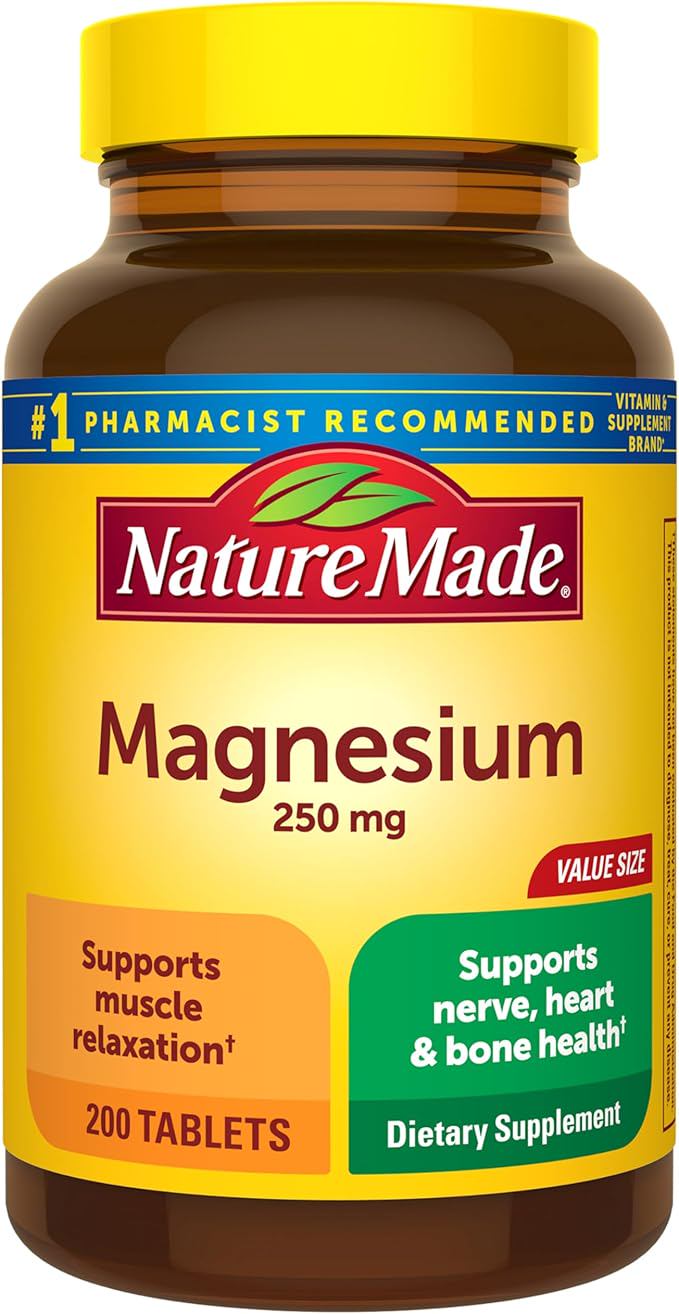
The practical shift: Do not self-prescribe high-dose magnesium supplements, especially if you have kidney issues. Instead, focus on food sources first. Excellent dietary sources of magnesium include:
- Dark leafy greens (spinach, kale, Swiss chard)
- Pumpkin seeds, almonds, and cashews
- Black beans and edamame
- Avocados
- Dark chocolate (70% cocoa or higher)
- Bananas
Ask your doctor to check your magnesium level with a simple blood test. If you are low, they can recommend an appropriate supplement form and dosage. Do not guess on dosage.
Managing hyperthyroidism and its cardiac symptoms is rarely about one single fix. It is a process of tuning in to the signals your body is sending and making small, consistent adjustments. Avoiding these four mistakes offers a foundation for a calmer heart and a more stable day-to-day experience. Always keep your healthcare team informed of any changes in your symptoms, especially palpitations, chest pain, or shortness of breath.