
Waking up with a racing heart can feel unsettling, especially when you know your thyroid is involved. For many people with hyperthyroidism or an overactive thyroid, a rapid pulse is one of the most noticeable symptoms. But what you drink first thing in the morning can make a real difference.
We spoke with registered dietitians who specialize in thyroid health to find out which two morning beverages can help calm that flutter. The goal here isn't to replace medication or medical care. These drinks are simple, whole-food additions that support your nervous system, reduce inflammation, and help regulate heart rate over time.
Why thyroid issues can cause a fast heart rate
Your thyroid gland produces hormones that influence nearly every organ in your body, including your heart. When your thyroid produces too much hormone—a condition called hyperthyroidism—it speeds up your metabolism. Your heart rate rises, your blood pressure may increase, and you might feel jittery or anxious.
This is not a minor annoyance. A consistently high resting heart rate can strain your cardiovascular system over the long term. That's why nutrition strategies that help calm the body's stress response and support heart function are so valuable. Morning drinks, in particular, can set a calm tone for your entire day.
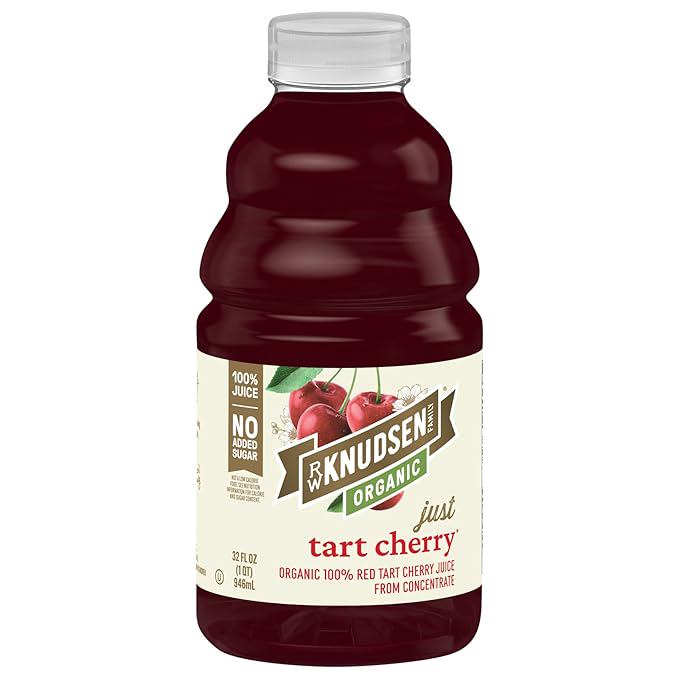
Drink #1: Tart cherry juice
Tart cherry juice is emerging as a surprisingly effective option for people managing thyroid-related heart symptoms. It's rich in melatonin and anthocyanins, which are plant compounds with strong anti-inflammatory and antioxidant effects. But there's one specific reason dietitians recommend it for fast heart rate.
“Tart cherry juice has been studied for its ability to reduce symptoms of anxiety and improve sleep quality, both of which matter tremendously when your thyroid is overactive. A calmer nervous system often means a calmer heart rate,” says registered dietitian Sarah Thompson, RDN, a specialist in endocrine health.
The key is choosing unsweetened, pure tart cherry juice—not a blend or a cocktail with added sugar. Sugar can spike your blood glucose and adrenaline, which makes a racing heart worse. A small glass, about 4 to 6 ounces, in the morning can provide steady support. If you find the taste too tart, dilute it with sparkling water or stir it into plain Greek yogurt for a breakfast bowl.
One caveat: tart cherry juice is naturally high in potassium. If you have kidney issues or take medications that affect potassium levels, check with your healthcare provider first.
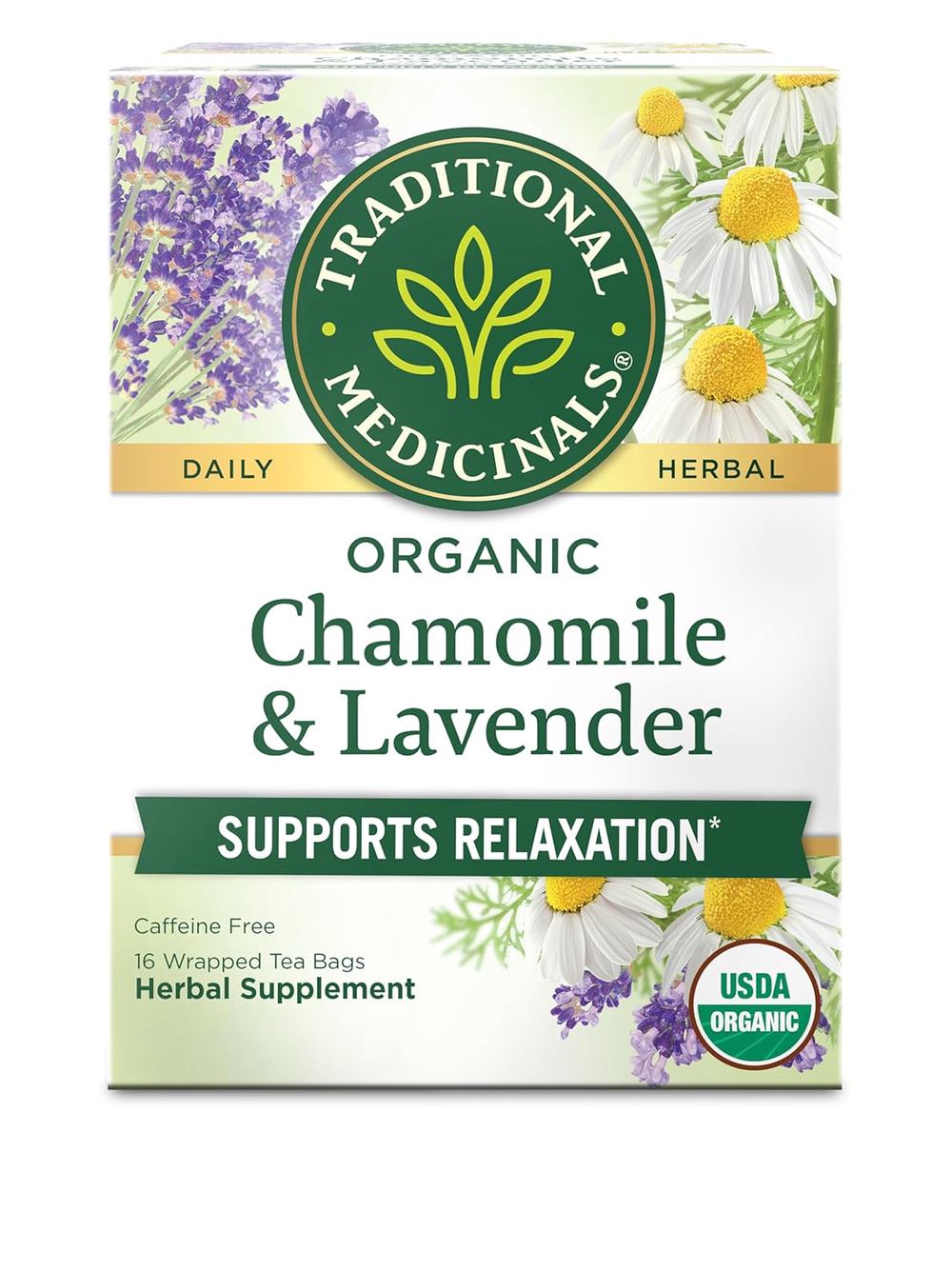
Drink #2: Chamomile tea with a pinch of magnesium powder
Chamomile tea is a classic calming herb, but the dietitians we spoke with recommend upgrading it slightly for thyroid support. The simple addition of a pinch of powdered magnesium turns a comforting tea into a targeted heart-soothing drink.
Magnesium is a mineral that helps relax blood vessels and regulate heart rhythm. Many people with thyroid disorders are deficient in magnesium because the condition itself, plus some thyroid medications, can deplete it. Magnesium supports the parasympathetic nervous system—the “rest and digest” branch—which directly counters the adrenaline-driven fast heart rate of hyperthyroidism.
To prepare: Steep a chamomile tea bag in hot water for 5 minutes. Remove the bag, then stir in a small pinch of powdered magnesium (about 50–100 mg). Do not use magnesium oxide, which doesn't absorb well; choose magnesium glycinate or magnesium citrate powder. Sip slowly while it's warm.
Chamomile itself contains apigenin, a flavonoid that binds to certain brain receptors and promotes calm. Combining it with magnesium creates a gentle one-two punch for heart rate regulation.
What about caffeine?
If you're used to starting your day with coffee or black tea, you may wonder whether to swap it out entirely. Most dietitians advise cutting back, not necessarily going cold turkey. Caffeine stimulates the release of adrenaline. If your thyroid is already pushing your heart rate up, adding caffeine can make the problem more pronounced. A single cup might be okay for some people, but monitor how you feel. If your heart pounds after your morning coffee, consider switching to the chamomile-magnesium tea on most days and saving caffeinated drinks for rare occasions.
How morning drinks help lower heart rate
The timing matters because your body's cortisol rhythm naturally peaks in the early morning. For someone with hyperthyroidism, this natural spike can already push heart rate higher. Starting your day with a calming beverage rather than a stimulating one helps blunt that rise. Both tart cherry juice and chamomile-magnesium tea work by: reducing systemic inflammation, lowering cortisol output from the adrenal glands, and providing nutrients that directly support heart muscle function and blood vessel relaxation.
Important notes before you start
While these drinks are considered safe for most people, they are not a substitute for medical treatment. Hyperthyroidism requires proper medical management, which may include antithyroid medications, beta blockers, or radioactive iodine therapy. Never stop or change your medication without consulting your doctor.
Also, tart cherry juice can interact with blood thinners like warfarin because it contains vitamin K. And magnesium supplements can interact with certain thyroid medications if taken too close together. Wait at least four hours after taking thyroid medication before consuming a magnesium-rich drink.
If you feel dizzy, faint, or have chest pain along with a fast heart rate, seek emergency medical attention right away. These drinks are supportive tools, not emergency interventions.
Start with one drink per morning and see how your body responds. Keep a simple log: note your resting heart rate each morning before you drink, and again 30 minutes after. Over a week or two, you may notice a subtle but real improvement in both your heart rate and your sense of calm.