When you're living with hyperthyroidism, a racing or irregular heartbeat can be one of the most unsettling symptoms. While medication and medical supervision are central to managing the condition, what you eat plays a surprisingly direct role in how steady your pulse feels. Certain foods can overstimulate an already overactive thyroid, sending your heart rate even higher. Knowing which items to limit or avoid can help you feel more in control.
This article focuses on five specific foods and ingredients that are known to aggravate heart rate in people with hyperthyroidism. The goal is not to prescribe a rigid diet but to offer clear, research-backed guidance you can discuss with your healthcare team. Let's walk through each one.
1. Caffeine: Coffee, energy drinks, and strong tea
Caffeine is a stimulant that directly affects the cardiovascular system. For someone with hyperthyroidism, whose metabolism is already running in overdrive, caffeine can amplify feelings of jitteriness, anxiety, and a pounding heart. Even if you used to tolerate a morning coffee without issue, your body may now respond differently.
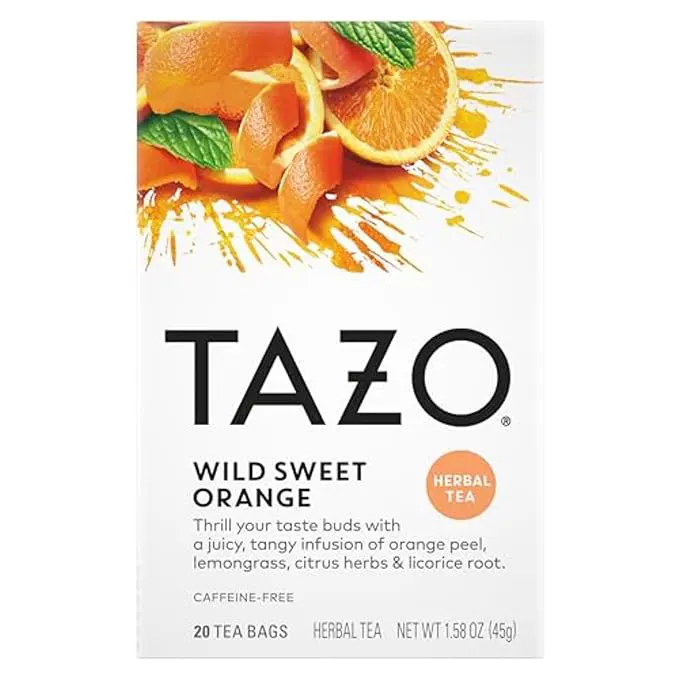
Common sources to watch include brewed coffee, espresso, black and green tea, soda, and especially energy drinks. Even some chocolate-based products and certain pre-workout supplements pack a significant caffeine punch. Replacing these with herbal teas like chamomile, lemon balm, or rooibos can offer a soothing alternative without the stimulant effect.
2. Iodine-rich foods: Seaweed, kelp, and iodized salt
Iodine is the raw material your thyroid uses to produce thyroid hormones. When you have hyperthyroidism, your gland is already churning out too much hormone. Consuming extra iodine can push that production even higher, potentially worsening symptoms like tachycardia (rapid heart rate).
Seaweed and kelp are among the most concentrated natural sources of iodine. Some varieties, like dulse or nori, contain far more iodine than even a typical multivitamin. Iodized salt, while less concentrated, can still add up if you're using it liberally at the table. Many processed foods and restaurant meals rely on iodized salt as well. Opting for non-iodized sea salt or kosher salt in your own cooking, and reading labels on packaged foods, can help you keep iodine intake in check.
3. Sugary foods and refined carbohydrates
High blood sugar spikes and crashes can directly influence heart rate. When you eat a lot of sugar or simple carbs — think white bread, pastries, candy, and sweetened beverages — your body releases insulin rapidly, which can trigger a surge in adrenaline. For someone with hyperthyroidism, this can feel like a double whammy on top of an already elevated metabolic state.
These foods also promote inflammation and can interfere with the absorption of important minerals like magnesium and potassium, both of which help regulate heart rhythm. Swapping sugary snacks for whole fruits (in moderation), nuts, or a small portion of plain yogurt can provide steadier energy without the cardiac side effects.
4. Alcohol: Beer, wine, and spirits
Alcohol can disrupt heart rate in several ways. It can cause dehydration, which reduces blood volume and forces the heart to beat faster to maintain circulation. It may also interfere with thyroid hormone conversion and liver function, complicating the management of hyperthyroidism. Many people report that even one drink makes their heart race or skip beats.
While occasional alcohol use might be fine for some, those with hyperthyroidism-related tachycardia often find that cutting back or eliminating alcohol entirely stabilizes their resting heart rate. If you do choose to drink, clear spirits with soda water or a small glass of dry wine might be lower-risk options, but it's wise to observe how your body responds.
5. Gluten-containing grains: Wheat, barley, and rye
The connection between gluten and thyroid health is well documented, particularly in autoimmune forms of hyperthyroidism like Graves' disease. Gluten proteins can resemble thyroid tissue, sometimes triggering an immune response that further attacks the thyroid gland. This inflammatory cascade can worsen hyperthyroid symptoms, including heart palpitations.
Gluten is found in bread, pasta, cereals, crackers, and many baked goods. It also hides in soy sauce, some salad dressings, and processed meats. Experimenting with a gluten-free diet for even a few weeks can help some individuals notice a calmer heart rate and less overall thyroid storm. Naturally gluten-free grains like quinoa, rice, oats (certified gluten-free), and buckwheat are safe, nourishing choices.
Making changes to your diet can feel overwhelming, especially when you're already managing a complex condition. Start small: swap one caffeinated drink for an herbal tea, or replace one sugary snack with a handful of almonds. Pay attention to how your heart feels. Over time, these adjustments can become part of a daily rhythm that supports both your thyroid function and your cardiovascular calm.