After a hard workout, most of us reach for a protein shake or a banana to refuel. But what if your post-exercise snack could also protect your gums? Dentists increasingly point to the connection between systemic inflammation and oral health, and the foods you eat after exercise may play a surprisingly direct role in keeping your gums healthy.
Inflammation is a natural part of recovery—exercise creates micro-tears in muscle tissue that your body repairs by sending inflammatory cells to the area. However, chronic or excessive inflammation can wreak havoc elsewhere, including the gums, where it contributes to gingivitis and periodontitis. The right anti-inflammatory foods, consumed in the post-workout window, can help cool that systemic response while also providing nutrients that specifically support gum tissue.
Here are four anti-inflammatory post-workout foods that dentists recommend for protecting your gums, based on current research in sports nutrition and oral health.
1. Fatty fish like salmon
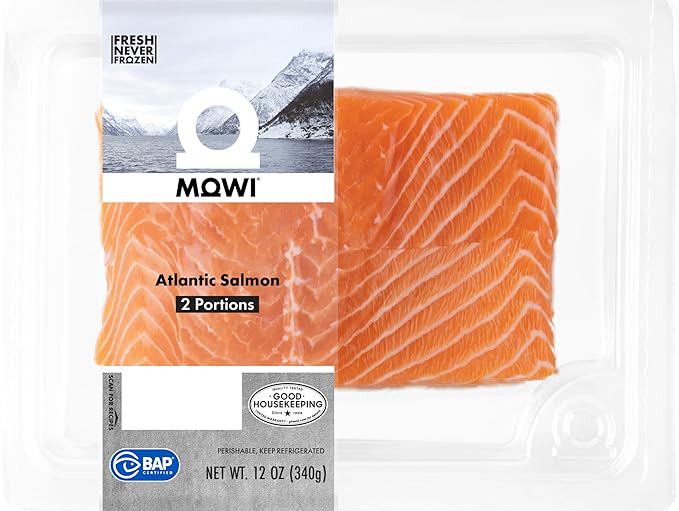
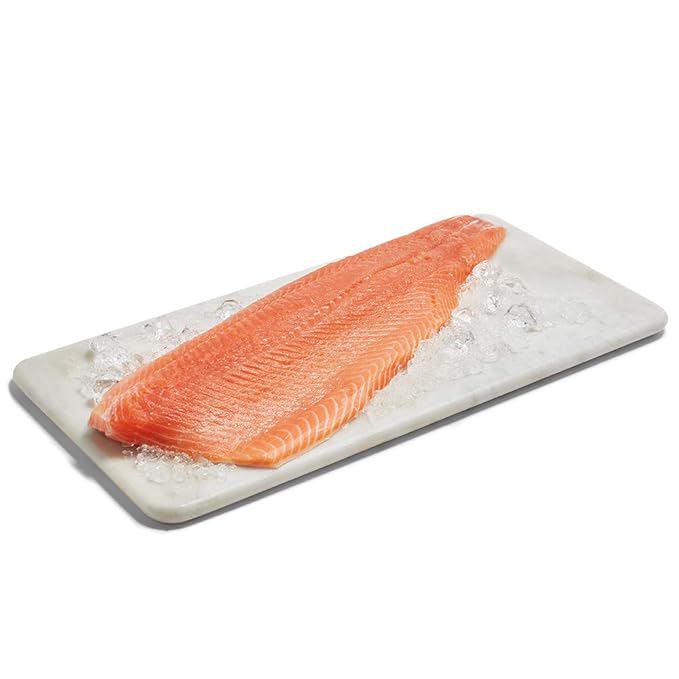
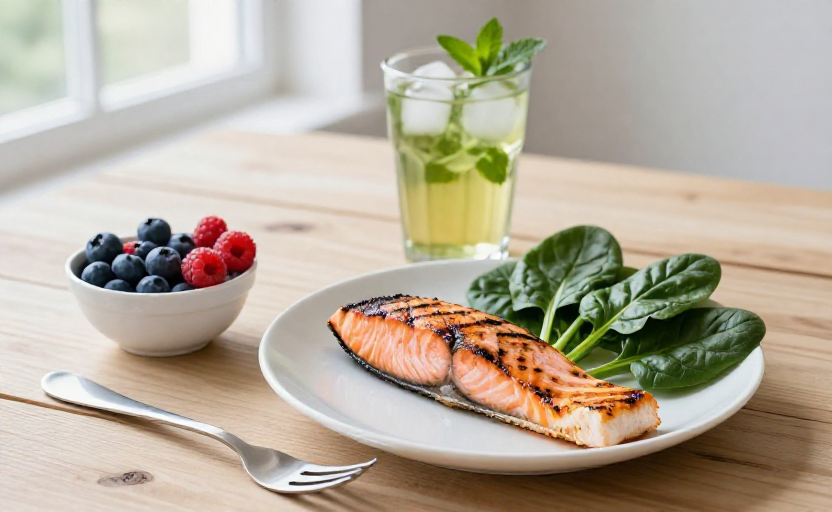
Salmon is rich in omega-3 fatty acids, particularly EPA and DHA, which are well-documented for their ability to reduce inflammation throughout the body. A 2020 review in the Journal of Dental Research noted that higher omega-3 intake is associated with lower levels of gingival inflammation and can help reduce the depth of periodontal pockets. After a workout, when your body is in a heightened inflammatory state, eating salmon provides the raw materials to produce anti-inflammatory molecules called resolvins. These compounds actively help resolve inflammation rather than just blocking it, which can protect gum tissue from the damage of chronic swelling.
2. Leafy greens like spinach or kale
Dark leafy greens are packed with vitamins and antioxidants, but one nutrient makes them especially valuable for gum health after exercise: vitamin K. Post-workout, your body needs vitamin K to activate osteocalcin, a protein that helps bind calcium to bone—including the alveolar bone that supports your teeth. If that bone weakens due to inflammation, gums recede. Spinach and kale are also rich in folate, which supports cell turnover in the mouth, and in polyphenols that reduce oxidative stress from exercise. A small post-workout salad or a smoothie with a handful of spinach can deliver these benefits without heavy digestion.
3. Berries (blueberries, strawberries, or raspberries)
Berries are among the highest food sources of anthocyanins, pigments that give them their deep color and act as powerful anti-inflammatory compounds. After exercise, when oxidative stress spikes, anthocyanins help neutralize free radicals that can damage gum tissue. A 2019 study in Nutrients found that berry consumption was linked to reduced gingival bleeding and lower levels of inflammatory markers in saliva. The vitamin C in berries also supports collagen production, which is essential for keeping gum tissue firm and resilient. A handful of berries mixed into yogurt or eaten on their own makes an excellent post-workout snack for oral health.
4. Green tea
While not a solid food, green tea deserves a place on this list because of its unique ability to reduce gum inflammation after exercise. Green tea contains catechins, especially epigallocatechin gallate (EGCG), which are potent anti-inflammatory compounds. A meta-analysis in the Journal of Periodontology showed that regular green tea consumption was associated with shallower periodontal pockets and less gum bleeding. As a post-workout beverage, green tea provides hydration—often a missing piece in recovery—while delivering antioxidants directly to oral tissues. The catch is to avoid added sugar, which would negate the anti-inflammatory benefits. Unsweetened green tea, served warm or iced, fits smoothly into a post-exercise routine.
How these foods work together for gum protection
The common thread among these four foods is their ability to lower systemic inflammation while providing nutrients that directly support gum structure. After exercise, blood flow to the gums increases temporarily, meaning that the nutrients you consume are delivered more efficiently to oral tissues. This makes the post-workout period a strategic window for gum-supportive nutrition. Dentists emphasize that consistency matters—occasional salmon or berry intake is helpful, but making these foods a regular part of your post-exercise routine offers the best protection for long-term gum health.
Tip: Combine foods for a more complete effect. A bowl of plain Greek yogurt with berries and a handful of walnuts offers a mix of probiotics, anthocyanins, and omega-3s—all beneficial for gum tissue.
It's also worth noting that these foods are gentle on teeth. Unlike sugary sports drinks or sticky energy bars, they do not promote cavity formation or gum irritation. By swapping a processed recovery snack for one of these natural anti-inflammatory options, you support both your muscles and your mouth.
Practical ways to add them to your routine
You do not need to overhaul your entire diet. Simple swaps can make a difference. Grill an extra portion of salmon at dinner and eat the leftovers as a post-workout meal. Keep a bag of frozen berries in the freezer and add a handful to your post-run smoothie or oatmeal. Brew a mug of green tea while you stretch or cool down. If you are short on time, a pre-washed bag of baby spinach can be blended into a recovery smoothie with a banana and a scoop of protein powder. The goal is to make these foods convenient enough that they become habits, not occasional additions.
Dentists also advise paying attention to timing. Eating or drinking something anti-inflammatory within 30 to 60 minutes after exercise may maximize the benefit, as that is when your body's inflammatory response begins to peak. Hydration is equally critical—dry mouth increases the risk of gum irritation, so pair any of these foods with plenty of water.
Ultimately, post-workout nutrition is about more than muscle repair. The same foods that help your body recover from exercise can also fortify your gums against inflammation. By choosing salmon, leafy greens, berries, or green tea after your next workout, you are giving your mouth the same careful attention you give the rest of your body.