After a challenging workout, your body is primed for recovery. While you might be focused on protein for muscle repair, there's another crucial element to consider: inflammation. Exercise, particularly intense or prolonged sessions, creates a natural, acute inflammatory response. This isn't inherently bad—it's part of the signaling process that triggers repair and adaptation. The goal of your post-workout meal isn't to eliminate this process, but to support it with nutrients that help manage the response and promote efficient recovery.
Including anti-inflammatory foods in your post-exercise meal can help soothe muscle soreness, reduce oxidative stress, and provide the building blocks your body needs to come back stronger. These foods work by delivering antioxidants, healthy fats, and phytonutrients that modulate the body's inflammatory pathways. Think of them as the supportive crew that helps clean up and rebuild after the hard work is done.
Why focus on anti-inflammatory foods after a workout?
When you exercise, you create microscopic tears in muscle fibers and generate metabolic byproducts. This triggers a temporary, localized inflammatory response—your body's repair crew arriving on the scene. Chronic, systemic inflammation is problematic, but this acute, exercise-induced inflammation is a necessary step for growth and strength gains.
The nutrients you consume afterward can influence this process. A meal rich in anti-inflammatory compounds helps ensure the repair process is efficient and controlled, potentially reducing excessive soreness and supporting a quicker return to normal function. It complements your protein and carbohydrates, rounding out a truly recovery-focused plate.
The right post-workout foods don't just refuel; they help manage the natural repair process, setting the stage for better adaptation and less next-day stiffness.
Four key foods to include
Integrating these foods is simple. You can blend them into a smoothie, toss them into a salad with your lean protein, or have them as a side. The key is consistency and combining them with other recovery staples.
1. Tart cherries or berries
Deeply colored fruits like tart cherries, blueberries, strawberries, and raspberries are packed with anthocyanins. These potent antioxidants have been studied for their role in reducing exercise-induced muscle damage, soreness, and strength loss. Tart cherry juice, in particular, has gained attention in sports nutrition for these properties.
How to add them: A handful of frozen berries in a post-workout smoothie, a serving of tart cherry juice, or fresh berries mixed into Greek yogurt or oatmeal.
2. Fatty fish like salmon
Salmon, mackerel, sardines, and anchovies are rich in the omega-3 fatty acids EPA and DHA. These fats are precursors to molecules in the body that actively resolve inflammation. They help switch off the inflammatory response once its repair job is done, which is crucial for moving out of the soreness phase and into rebuilding.
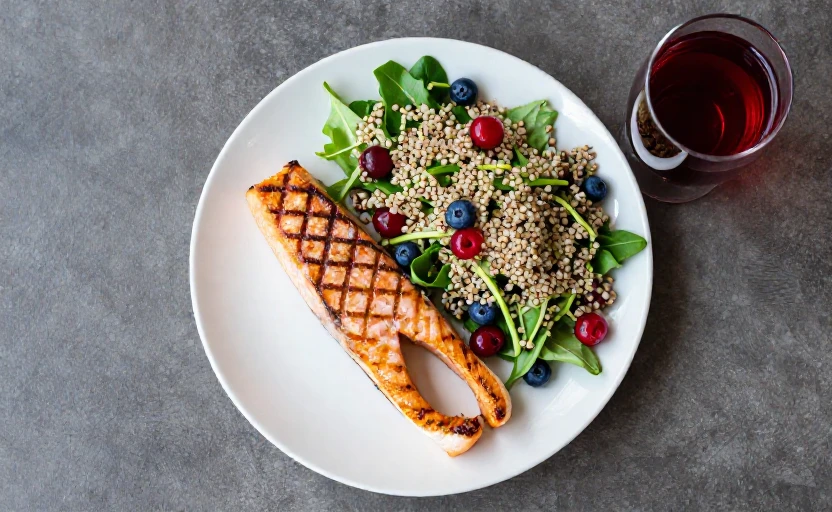
How to add it: A salmon fillet with sweet potato and greens makes an excellent recovery dinner. For a quicker option, canned salmon or sardines on whole-grain toast is a powerful, convenient choice.
3. Leafy green vegetables
Spinach, kale, Swiss chard, and arugula are loaded with vitamins (like E, C, and K), minerals, and antioxidants such as quercetin and kaempferol. These compounds help neutralize free radicals produced during exercise and support the body's natural antioxidant systems. Their high nutrient density provides broad-spectrum support for the recovery process.
How to add them: A large handful blended into a post-workout smoothie (you'll hardly taste it), a side salad, or sautéed as a bed for your protein source.
4. Turmeric and ginger
This dynamic duo of roots brings powerful phytochemicals to your plate. Turmeric contains curcumin, noted for its anti-inflammatory and antioxidant effects, while ginger contains gingerol, known for its ability to help ease muscle pain and soreness. Pairing turmeric with a pinch of black pepper enhances the bioavailability of curcumin.
How to add them: Grate fresh ginger and turmeric into a post-workout stir-fry, soup, or lentil dish. A teaspoon of powdered forms works well in a smoothie or a warm recovery drink with plant-based milk.
Building your perfect post-workout plate
An effective recovery meal combines these anti-inflammatory elements with the other essentials: quality protein for muscle repair and complex carbohydrates to replenish glycogen stores. Here’s how it comes together:
- The Foundation: A palm-sized portion of lean protein (chicken, tofu, eggs, legumes).
- The Fuel: A fist-sized portion of complex carbs (quinoa, brown rice, sweet potato, whole-grain bread).
- The Anti-Inflammatory Boost: One or two of the foods listed above (e.g., a side of leafy greens and a serving of berries).
- The Healthy Fats: A small addition from avocado, nuts, seeds, or olive oil to aid nutrient absorption and support cellular repair.
Listen to your body. The intensity and duration of your workout will guide your hunger and portion sizes. The focus is on nutrient density and providing a variety of compounds that work together to help you recover and feel your best.