We often accept wrinkles as an inevitable part of getting older, a map of our smiles and squints etched into our skin. But sometimes, the lines we see in the mirror aren't just a record of years passed—they're a message about what's happening right now. Your skin might be telling you it's thirsty.
While genetics and sun exposure play undeniable long-term roles, the daily condition of your skin is profoundly influenced by hydration. Dehydration creates a specific, often temporary, type of aging appearance that can be improved with consistent care. Learning to read these signals helps you address the root cause, not just the symptom.
How does dehydration change your skin?
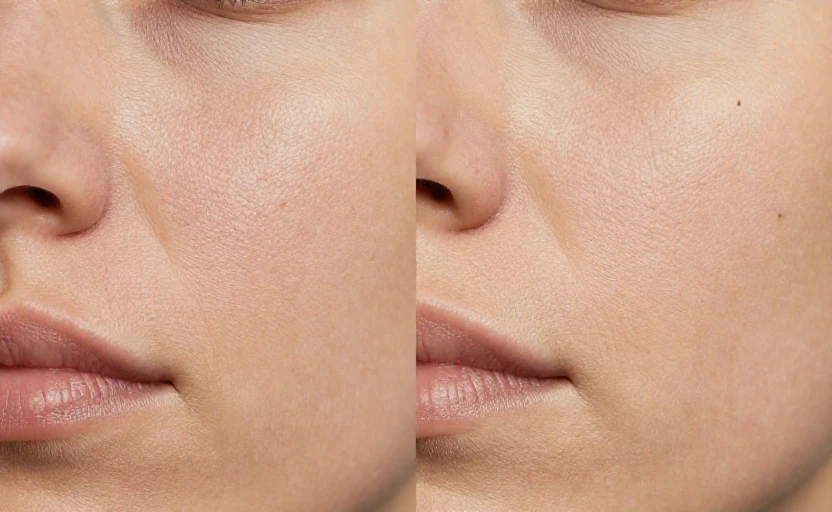
Think of well-hydrated skin like a plump grape: smooth, firm, and resilient. Dehydrated skin is more like a raisin—lacking volume, with a crepey, deflated texture. This happens because your skin's outermost layer, the stratum corneum, needs adequate water to function properly. When it's depleted, the entire barrier is compromised.
This barrier isn't just for show. It holds moisture in and keeps irritants out. When it's weakened by dehydration, water evaporates more easily (a process called transepidermal water loss), and fine lines have an easier time settling in because the skin lacks the pliability to bounce back.
The three key signs your wrinkles are dehydration-related
These signs often appear together, creating a telltale look that differs from deeper, permanent folds. Pay attention to how your skin behaves throughout the day and in different environments.
1. Fine lines that appear (and deepen) rapidly throughout the day
This is perhaps the most distinctive sign. You might look in the mirror in the morning and see relatively smooth skin, only to notice a network of very fine, superficial lines around your eyes, forehead, or mouth by mid-afternoon. These aren't the deep-set grooves of expression lines; they're more like tiny, crisscrossing cracks or a subtle crepe-paper texture.
This happens because as your body uses up its available water and your skin's barrier loses moisture to the environment, the surface literally shrinks slightly, making any existing lines more prominent and creating new ones. If these lines seem to fluctuate dramatically—looking worse after air travel, a long day in climate-controlled offices, or a night of poor sleep—dehydration is a likely contributor.
Dehydration lines are often most visible on the cheeks and under the eyes, areas with thinner skin that show fluid loss first.
2. Skin that looks dull, tired, and lacks “bounce”
Hydration is what gives skin its radiant, lit-from-within glow. That glow comes from light reflecting off a smooth, even surface. When the skin's surface is dehydrated, it becomes uneven and rough on a microscopic level, scattering light instead of reflecting it. The result is a flat, ashy, or greyish cast.
The “pinch test” is a classic, though imperfect, indicator. Gently pinch a small area of skin on your cheek or the back of your hand and release. Well-hydrated skin snaps back immediately. Dehydrated skin may take a moment to return to its original position, lacking elastic recoil. More reliably, notice if your overall complexion seems lackluster and fatigued, even when you feel rested.
3. Makeup settling into lines and looking patchy
Your foundation and concealer are excellent diagnostic tools. When skin is optimally hydrated, makeup tends to sit evenly on the surface. When it's dehydrated, you'll notice product gathering and caking into those fine lines you saw earlier, especially around the eyes and mouth. It may also cling to dry patches you didn't know you had, creating a flaky, uneven finish.
This occurs because makeup adheres to the dry, textured peaks of the skin's surface and sinks into the microscopic valleys created by dehydration. No amount of primer or technique will fully solve this if the underlying canvas—your skin—is parched.
How to tell dehydration wrinkles from aging wrinkles
It's not always an either/or situation; aging skin can also be dehydrated. But pure dehydration wrinkles have a different character. They are typically very fine, superficial, and uniform in areas like the cheeks. Sun- and age-related wrinkles are deeper, more defined (like crow's feet or the “11” between brows), and don't improve significantly with a day of good hydration. Dehydration wrinkles often improve noticeably within a few days of focused hydration efforts, while structural aging changes remain.
Supporting your skin’s hydration from the inside and out
Addressing dehydration-related wrinkles is a two-part process: preventing water loss and supporting water retention.
Internal hydration is the foundation. Water intake is crucial, but it's not just about counting glasses. Consistency matters more than volume. Sipping water throughout the day is more effective for your skin than downing a liter at once. Also, focus on water-rich foods like cucumbers, celery, watermelon, berries, and leafy greens. They provide water along with vitamins and minerals that support skin health.
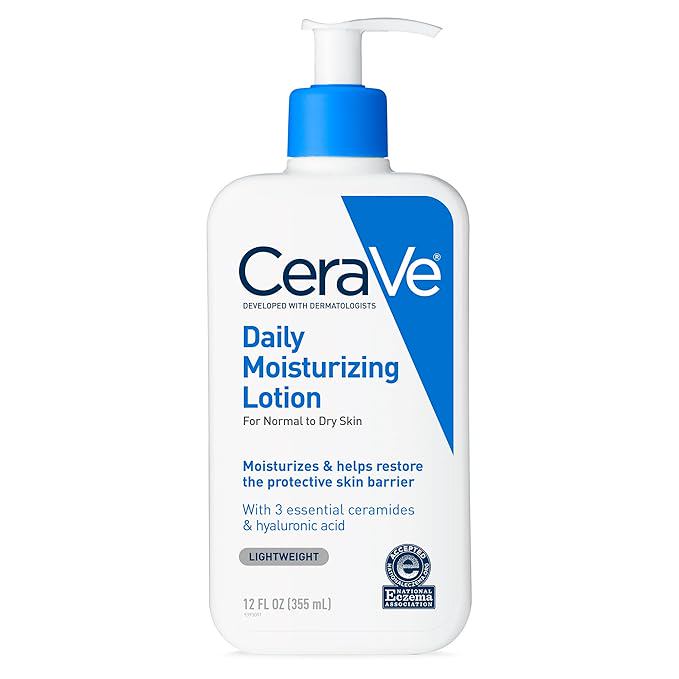
Topical hydration involves using ingredients that act like magnets for water (humectants), seal it in (occlusives), and repair the barrier (emollients).
- Humectants (e.g., hyaluronic acid, glycerin, aloe vera) draw water from the dermis and the environment into the stratum corneum. Apply them to damp skin for best results.
- Emollients (e.g., squalane, ceramides, fatty acids) smooth and repair the skin barrier, preventing the water that's there from escaping.
- Gentle cleansing is non-negotiable. Harsh, stripping cleansers damage the lipid barrier. Opt for creamy, non-foaming, or oil-based cleansers that clean without compromising your skin's natural defenses.
Remember, your skin is the last organ to receive water from what you drink. By the time it gets there, your vital organs have taken their share. That’s why a combined internal and external approach is essential for seeing a change in your complexion.
When to consider other factors
If you’ve consistently addressed hydration for several weeks and see no improvement in skin texture and fine lines, other factors are likely at play. Intrinsic aging, cumulative sun exposure (photoaging), collagen loss, and repetitive facial expressions all create permanent changes to the skin's structure. In these cases, a consultation with a dermatologist or licensed aesthetician can help you understand your options, which may include treatments focused on collagen stimulation and skin remodeling.
For now, start by listening to your skin. Those fine lines might not be a verdict on your age, but an invitation to drink a glass of water, choose a gentler cleanser, and give your skin the simple, consistent care it needs to look and feel its most resilient.