You apply sunscreen every morning. You even reapply if you remember. So why does your skin still feel tight after a day outside? Why do those faint freckles seem a little darker than they were last month? A sunscreen routine can give a false sense of security. The truth is that many of us are making small mistakes that leave our skin vulnerable to UV damage, even when we think we are fully covered.
Recognizing the warning signs that your protection is failing lets you correct course before the real damage—sunburn, hyperpigmentation, premature aging, or worse—sets in. Here are three clear signals that your current sunscreen routine is not doing its job.
1. You are sunburned or your skin feels hot and tight at the end of the day
This is the most obvious sign, yet it is often ignored or rationalized away. If you come inside and see any pinkness, feel a distinct warmth, or notice that your skin feels tight when you move, that is a sunburn. It does not have to be deep red or peeling to count as a burn. Even subtle erythema indicates that UV radiation penetrated your skin and caused inflammation.
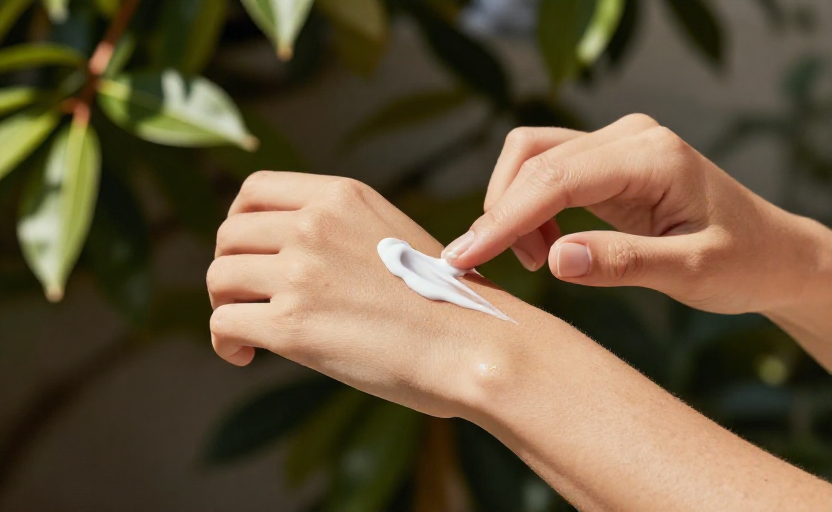
What to check: You may have used too little product. The recommended amount for your face and neck alone is roughly a half-teaspoon—about the size of a nickel. For your entire body, you need a full shot glass. Most people apply only a quarter to half of that. You might also be relying on makeup or moisturizer with SPF as your only protection, which almost never provides enough coverage because people do not apply those products thickly enough. A dedicated sunscreen applied in the correct quantity is necessary for real protection.
2. You are developing new dark spots, freckles, or uneven pigmentation
Sun damage is cumulative and often shows up slowly. If you notice that you are getting more freckles, that age spots are darkening, or that patches of melasma are spreading, your sunscreen routine is letting UVA rays through. UVA rays cause tanning and premature aging, and they penetrate glass and clouds. SPF ratings primarily measure UVB protection (the burning rays). A high SPF does not guarantee strong UVA protection unless the label also says "broad spectrum."
What to check: Look for a sunscreen labeled "broad spectrum" with a PA rating of +++ or ++++ (or a zinc oxide/titanium dioxide mineral formula that inherently blocks UVA). If you are using a chemical sunscreen that is not broad spectrum, or if you are relying on a low-SPF product without a UVA star rating, switch to a mineral formula or a chemical formula with tested UVA protection. Also, make sure you are applying sunscreen to your ears, the back of your neck, and the tops of your feet—areas people often skip. Hyperpigmentation in those spots is a telltale sign of incomplete coverage.
3. You get tan lines or a visible color difference between covered and uncovered skin
Many people think a tan is healthy. From a dermatological standpoint, any tan is a sign of skin damage. When melanocytes produce pigment in response to UV exposure, they are trying to protect the DNA in your skin cells from further harm. If you see a clear line where your clothing ended or where you skipped sunscreen on the backs of your arms, your skin has already received enough UV radiation to trigger damage and long-term photoaging.
What to check: This warning often points to insufficient reapplication. Sunscreen breaks down after about two hours of exposure, faster if you are sweating or swimming. If you apply once in the morning and do not reapply, you are essentially unprotected for most of the afternoon. Set a timer on your phone. Reapply at least every two hours, and immediately after swimming or heavy sweating. If you hate the texture of reapplying lotion, try a powder sunscreen or a spray formula (but spray carefully and rub it in to avoid patchy coverage).
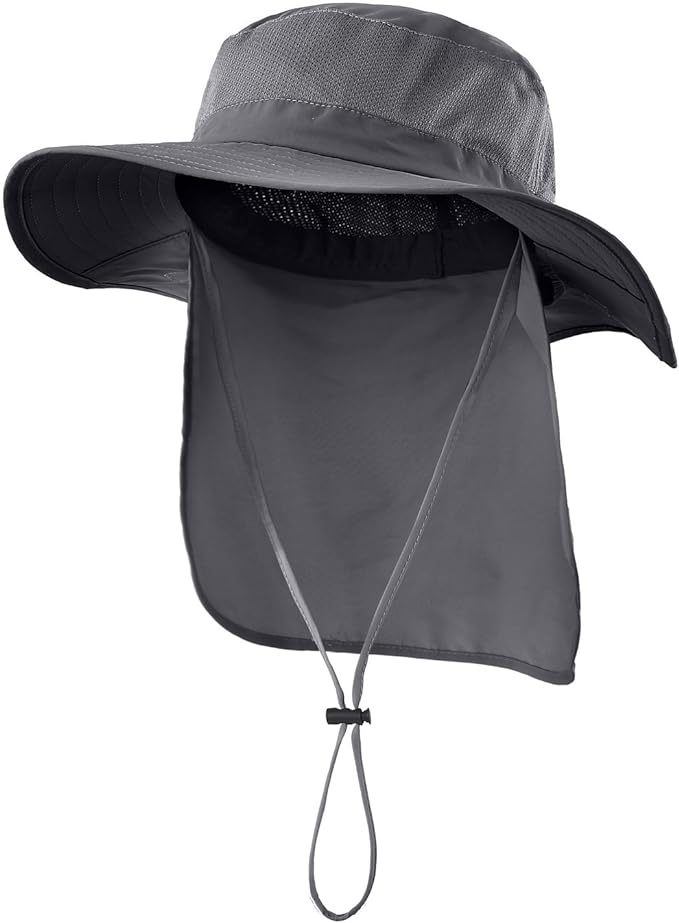
A quick reality check: Sunscreen is your first line of defense, but it is not bulletproof. Wear UPF-rated clothing, a wide-brimmed hat, and sunglasses for the areas your sunscreen might miss. Seek shade between 10 a.m. and 4 p.m. when UV index is highest.
When to take a closer look at your products and habits
If you recognize any of these warning signs, here is a short checklist to tighten your routine without overcomplicating it.
- Check the expiration date. Sunscreen loses efficacy over time. If it is more than three years old or if it has separated into liquid and solid layers, throw it away.
- Use enough. Apply a nickel-sized dollop to your face and neck, and a shot-glass-sized amount to your body. Do not rub it in until it disappears—you should see a thin white film on mineral sunscreens.
- Buy two different sunscreens. One for your face (maybe a tinted mineral formula that doubles as light coverage) and one for your body (something affordable and non-greasy). This makes it easier to use the correct amount on each area.
- Make reapplication easy. Keep a travel-size sunscreen in your bag, car, or desk drawer. If you wear makeup, a powder SPF or a setting spray with SPF can make midday reapplication less messy.
Can sunscreen alone fix all your sun protection problems?
No. Sunscreen is one layer of a broader strategy. If you rely on it as your only defense, you will likely see warning signs even with perfect application. UV rays reflect off sand, snow, water, and concrete, hitting your skin from below and from the sides. That is why hats and UPF clothing matter. Also, remember that windows in cars and offices block UVB but not UVA, so you can still get pigment changes and collagen damage during your commute. Consider adding window tint or a UV-blocking film to your car and installing shades at your desk.
Pay attention to your skin. It gives clear feedback. If you see pinkness, new spots, or a tan line, your sunscreen routine is not cutting it. Adjust your product choice, your application technique, and your reapplication schedule. Your skin will thank you in the years to come.