We often think of sun spots as a straightforward equation: sun exposure equals darkened patches on the skin. While ultraviolet rays are the primary trigger, the story beneath the surface is more nuanced. Your skin’s response to sun damage—how it heals, repairs, and sometimes overproduces pigment—can be influenced by internal factors, including your diet. Emerging research suggests that what you eat, particularly your sugar intake, may play a supporting role in how these spots form and persist.
This isn’t about blaming your diet for sun damage. Sunscreen remains non-negotiable. It’s about understanding that the canvas of your skin reflects a complex interplay of external and internal elements. If you’re diligent about sun protection but still notice persistent or oddly behaving pigmentation, it might be worth considering the biochemical environment inside your body. Certain dietary patterns can create conditions that make skin more vulnerable to the visible effects of aging, including hyperpigmentation.
How Could Sugar Affect Your Skin’s Pigmentation?
The link between sugar and skin health often centers on a process called glycation. When you consume excess sugar, it can bind to proteins in your bloodstream, forming harmful new molecules called advanced glycation end products (AGEs). Collagen and elastin—the proteins that keep your skin firm and springy—are prime targets. When these vital structures become glycated, they become stiff, weak, and less functional.
This compromised skin matrix doesn’t just lead to wrinkles. It can impair your skin’s ability to repair itself efficiently from daily insults like sun exposure. A slower, less effective repair process may contribute to uneven healing and pigment deposition. Furthermore, a diet high in sugary, processed foods often promotes inflammation, another internal factor that can exacerbate skin sensitivity and pigmentation issues.
Think of it this way: sun exposure provides the spark for sun spots, but a diet high in sugar can help fan the flames, making the pigmentation more likely to take hold and harder to fade.
Signs Your Sun Spots Might Have a Dietary Component
It’s crucial to consult a dermatologist for any persistent skin changes. However, noticing these specific patterns alongside high sugar consumption might prompt a helpful conversation with your doctor or a reevaluation of your diet.
1. They Persist Stubbornly Despite Rigorous Sun Protection
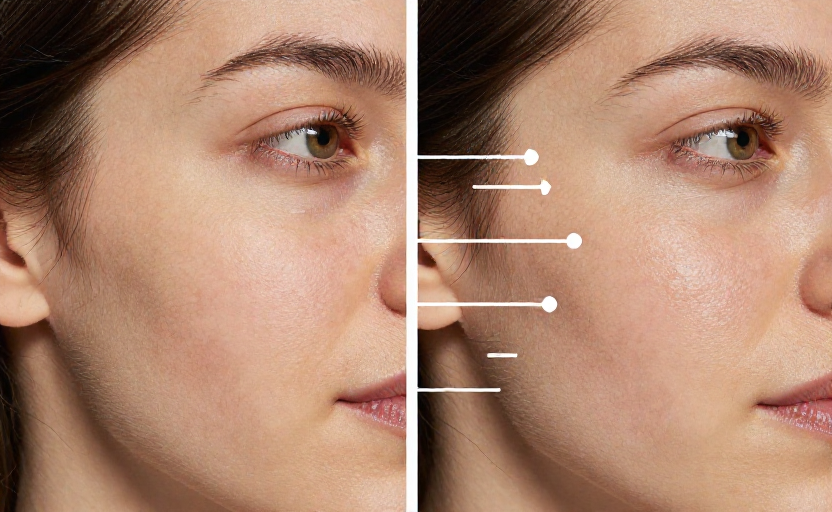
You’ve become meticulous. You apply broad-spectrum SPF 30 or higher every morning, reapply diligently, and wear hats and seek shade. Yet, those brown spots on your cheeks, forehead, or hands don’t seem to fade with the seasons as you’d expect. While sun spots can be long-lasting, a complete lack of response to superior sun protection could indicate that other factors are sustaining the pigmentation. If the external trigger is being managed but the internal environment—potentially fueled by high blood sugar and inflammation—is promoting pigment production, the spots may hold their ground.
2. They Appear in Conjunction with Other Skin Changes
Sun spots rarely travel alone if sugar is a contributing factor. Look at the broader landscape of your skin. Do you also notice:
- A loss of firmness and elasticity, making skin look slightly sallow or crepey?
- A general dullness or lack of radiance that skincare products can’t seem to penetrate?
- Increased redness or sensitivity, suggesting underlying inflammation?
These are all potential signs of accelerated skin aging linked to glycation and inflammation. When hyperpigmentation is part of this cluster of changes, it’s more likely that internal metabolic processes are playing a role alongside sun exposure.
3. Their Development Correlates with Dietary Shifts
This requires honest reflection on your habits. Have you noticed a new crop of dark spots or the darkening of existing ones during a period when your consumption of sugary drinks, refined carbohydrates, or processed snacks increased significantly? Conversely, have you seen improvement in skin clarity and a slight lightening of pigmentation during periods of eating whole, low-glycemic foods? While correlation isn’t definitive causation, tracking this pattern can be a powerful personal indicator. The skin’s renewal cycle is about 28 days; significant dietary changes for several cycles can start to show visible effects.
Caring for Your Skin from the Inside and Out
Addressing this possibility is a dual-path approach. It reinforces good skincare while embracing supportive nutrition.
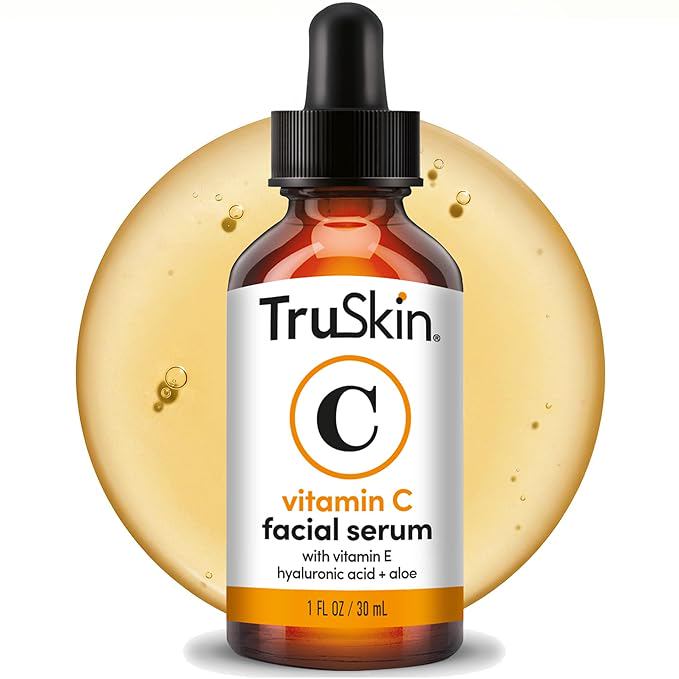
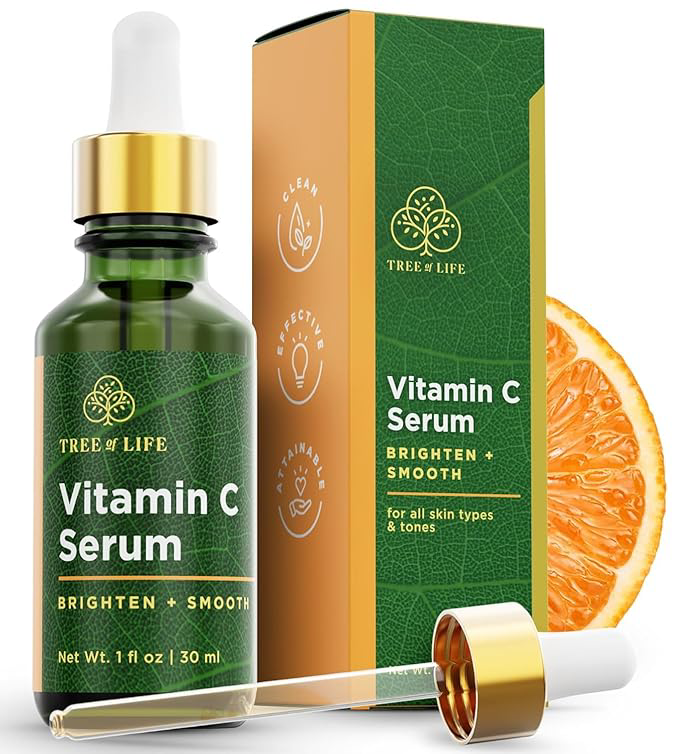
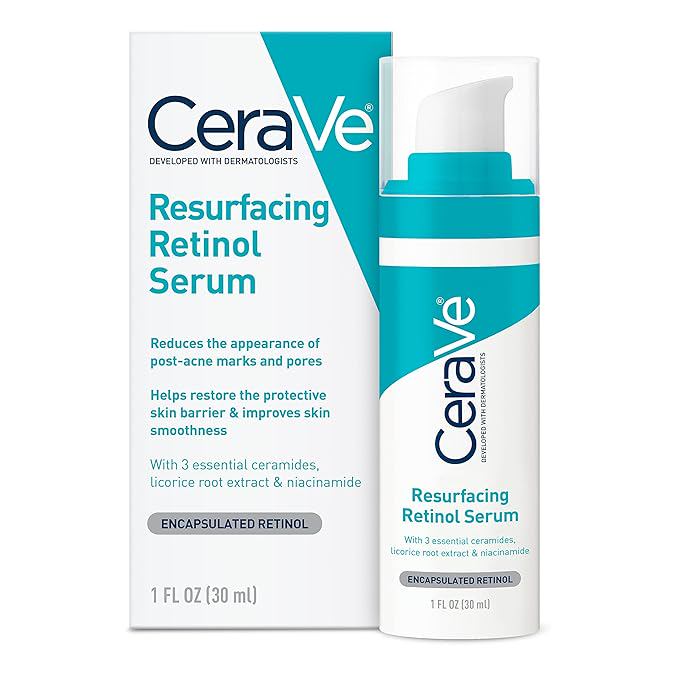
Your External Defense is Paramount: Nothing here reduces the critical importance of sun protection. Daily use of a broad-spectrum sunscreen remains the single most effective way to prevent new sun spots and stop existing ones from worsening. Topical antioxidants like vitamin C serums can help neutralize free radicals from the sun and may also inhibit some pigment production. Ingredients like retinoids, niacinamide, and azelaic acid, often recommended by dermatologists, can help accelerate cell turnover and fade existing discoloration.
Supportive Internal Choices: You don’t need to eliminate sugar entirely, but mindfully reducing added sugars and refined carbs can benefit your overall health and your skin. Focus on a diet rich in:
- Antioxidants: Colorful berries, leafy greens, and dark chocolate combat free radicals.
- Anti-inflammatory fats: Avocados, nuts, seeds, and fatty fish like salmon.
- Lean proteins: Essential for repairing and building collagen.
Staying well-hydrated with water and herbal teas supports all your body’s detoxification and renewal processes, including those in your skin.
If you suspect your diet is influencing your skin, consider keeping a simple food and skin journal for a few weeks. Note what you eat and any changes in your skin’s appearance, texture, or pigmentation. Bring these observations to a dermatologist or a registered dietitian. They can help you interpret the patterns and create a holistic plan that combines effective topical treatments with nourishing dietary habits for skin that looks and feels healthy at every level.