We all know our skin changes with age. Fine lines appear, volume shifts, and that plump bounce from our youth starts to fade. But there is a meaningful difference between the slow, natural process of aging and the more accelerated loss of skin firmness that signals structural changes beneath the surface. Recognizing this difference early is the only way to choose the right care — because treating normal aging is not the same as supporting laxity.
Most people dismiss the early clues. They reach for a richer moisturizer, assuming dryness is the culprit, when the real issue is that the skin's support network of collagen and elastin has begun to weaken. Here are the three specific warning signs that your skin is losing structural firmness — not just getting older in a predictable way.
1. The "Crepe Paper" Texture — Not Just Dryness
One of the earliest and most overlooked signs is a subtle change in texture. Instead of a few dry patches, you start noticing a fine, crinkled appearance on areas like the inner arms, the décolletage, and the backs of the hands. This is often described as crepey skin, and it is a clear indicator that the skin's dermal matrix is losing its structural integrity.
Normal dry skin improves dramatically with a good moisturizer and a humidifier. Crepey skin does not. The texture persists because the issue is not a lack of hydration on the surface — it is a loss of the collagen and elastin fibers that once held the skin taut and smooth. If you pinch the skin on the back of your hand and it takes noticeably longer to snap back into place, that's a firmness warning sign, not a hydration one.
Quick check: If moisturizing for a week does not smooth out the fine vertical lines on your chest or arms, the root cause is likely loss of firmness, not lack of moisture.
2. The "Nasolabial Crease Shift" — A Deeper Facial Change
Everyone develops nasolabial folds (the lines from the nose to the mouth) over time. That is normal. The warning sign for firmness loss is not the presence of these lines, but a change in their shape and depth that happens relatively quickly — over a few months rather than several years.
When skin loses firmness, it does not just wrinkle; it descends. You may notice that the area around your cheeks looks flatter, and your nasolabial folds appear deeper because the tissue above them is sagging downward. This is commonly accompanied by a subtle jowl-like fullness along the jawline. If your lower face feels heavier or you see a soft "melt" effect near your chin, that is collagen and elastin breakdown affecting the structural lift of your skin — not merely a few new expression lines.
This type of change often responds poorly to topical anti-aging creams that target surface wrinkles. It requires ingredients or treatments that support the deeper dermal structure.
3. The "Drooping Brow" — Beyond Hooded Eyes
Eyelid skin gets thinner with age, and a slight hooding effect is common. But true firmness loss in the upper face presents as a generalized droop of the brow that extends beyond the eyelid margin. If you feel like you are seeing more of your eyelid skin than before — and it affects your field of vision or creates a persistent tired expression no matter how much sleep you get — that is a sign that the skin on your forehead and brows is losing its ability to hold its position.
This is different from the normal, gradual descent of the brow that occurs over decades. Loss of firmness accelerates this process. One telltale clue: when you apply eye cream, the skin near your brow bone feels loose and easily moves in a way that eyelid skin on someone with normal aging does not. This is often accompanied by a loss of definition in the upper eyelid crease, making your eyes look smaller or more sunken.
How to Respond to These Warning Signs
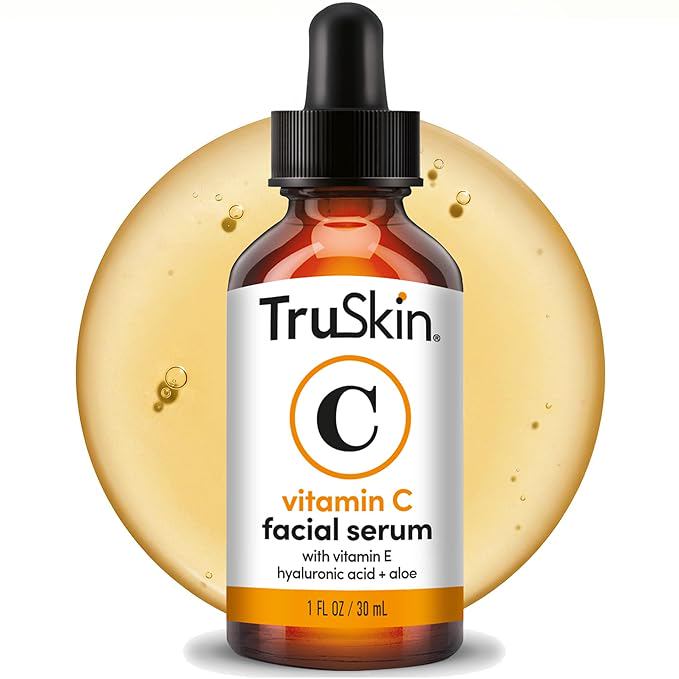
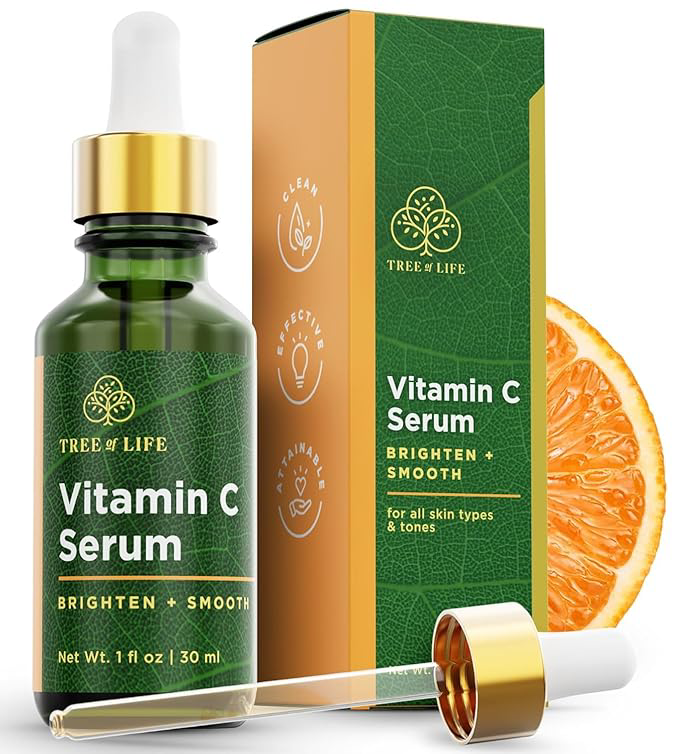
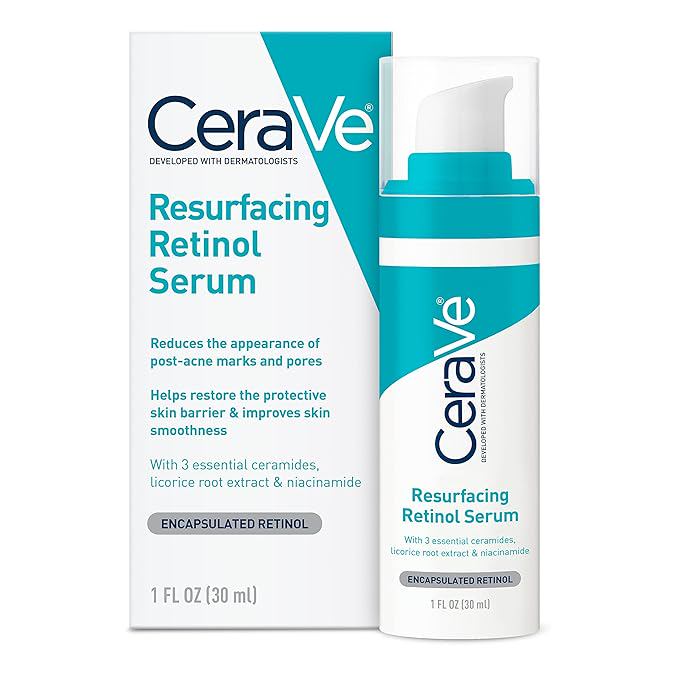
Recognizing these signs is not about panic — it is about precision. If you identify with any of the three scenarios above, your skincare approach needs to emphasize structure-supporting ingredients rather than just hydration or smoothing. Look for products containing peptides, retinoids, and antioxidants like vitamin C that stimulate collagen production. Consider adding a red light therapy device, which has solid research behind it for improving skin firmness at a deeper level. And never underestimate the power of daily SPF — UV damage is the single greatest accelerator of collagen breakdown.
When to See a Professional
If the crepiness or drooping is causing you concern or affecting your self-image, consult a board-certified dermatologist or a licensed medical aesthetician. At-home care can slow and partially reverse mild to moderate firmness loss, but advanced laxity may require in-office treatments such as radiofrequency, microneedling, or ultrasound-based skin tightening. The earlier you act, the more likely the less invasive options will be effective.
Ultimately, knowing the difference between normal aging and firmness loss is empowering. It lets you skip the irrelevant products and focus on what your skin actually needs to stay strong, lifted, and resilient for years to come.