
You trust your serum. You’ve researched the ingredients, read the reviews, and convinced yourself that this is the step that will finally give you that glow. But sometimes, the very product you’re relying on for perfect skin can quietly be working against you—specifically, by damaging your skin barrier.
The skin barrier (the outermost layer of your epidermis) acts like a brick wall. It keeps hydration in and irritants out. When a serum—especially one with concentrated active ingredients—is too strong, poorly formulated, or simply wrong for your skin type, it can break down that wall. If you ignore the early signs, you can end up with chronic redness, dehydration, and breakouts that won't heal. Here are three clear warning signs that your serum might be doing more harm than good.
1. Persistent stinging or burning that doesn’t fade
A slight tingle when you apply a new active (like a retinoid or an AHA) can be normal at first. But if that sensation turns into a noticeable sting or burn that lasts longer than a few seconds—or if it happens every single time you apply—it’s a red flag. The burning feeling indicates that your serum is actively irritating the skin barrier, creating micro-tears in the lipid layer. Over time, this can lead to a condition called “leaky” barrier, where moisture escapes and irritants enter freely.
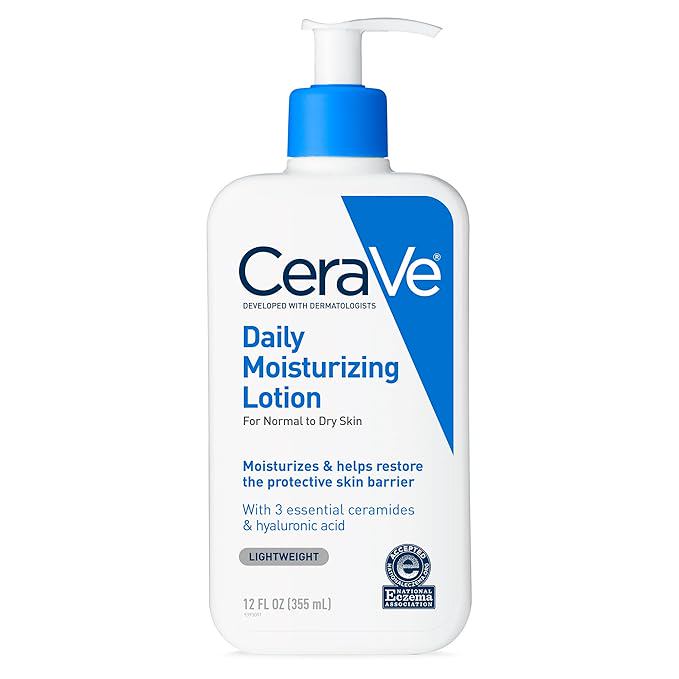
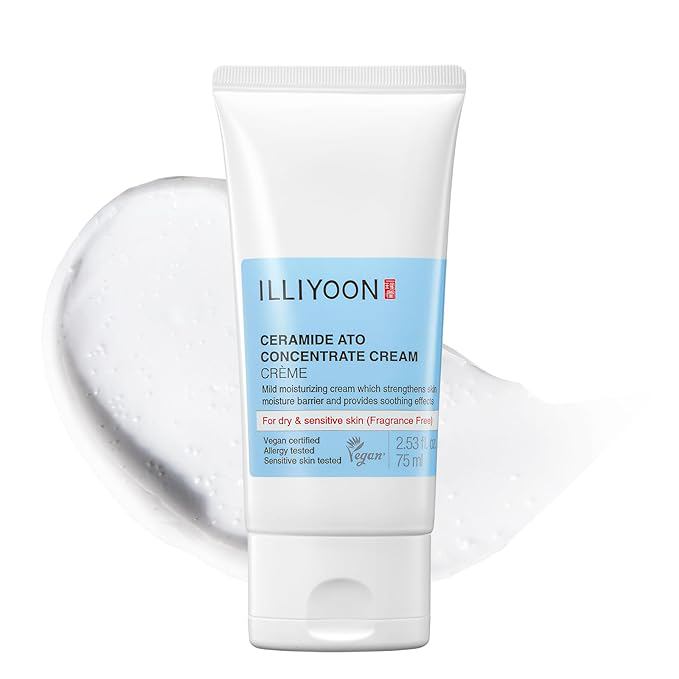
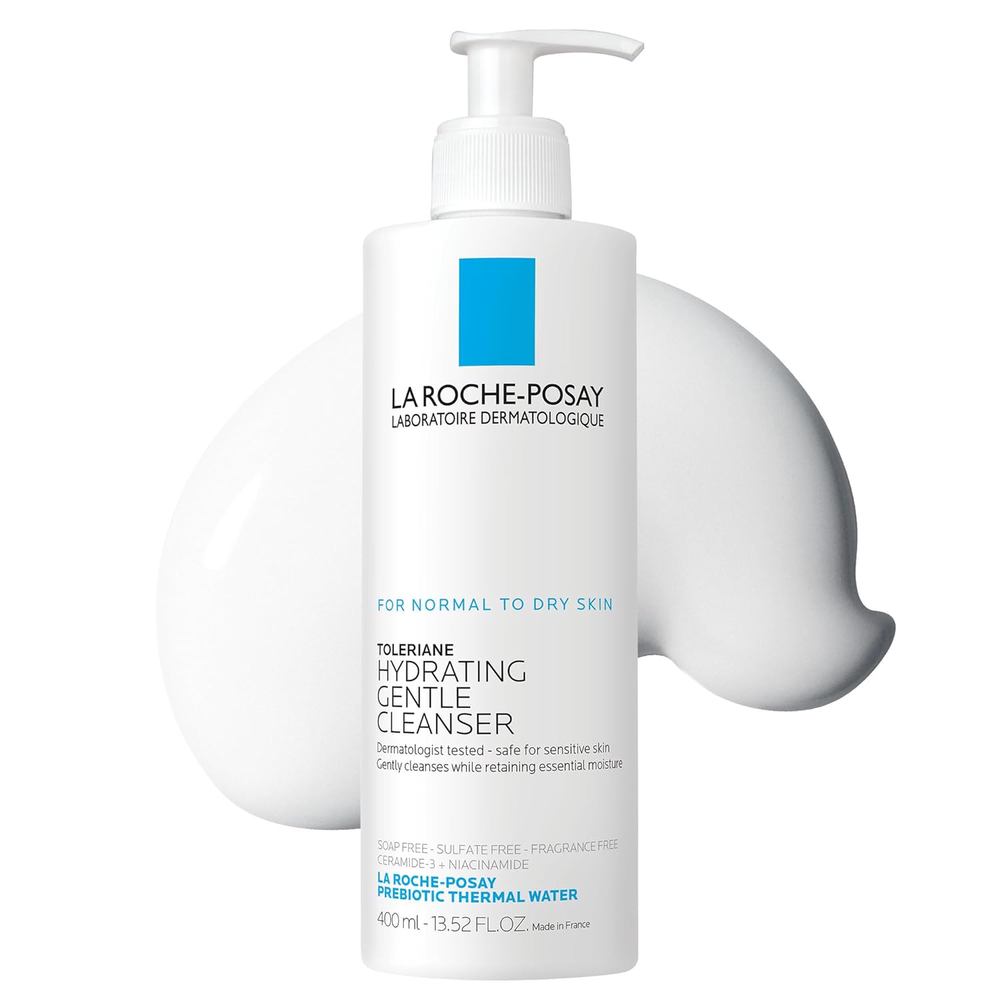
If you experience this, stop using the serum for a few days. Focus on a gentle cleanser and a ceramide-rich moisturizer to help the barrier repair itself. When you reintroduce the serum, try using it only twice a week instead of daily, or buffer it by applying moisturizer first.
2. Tight, shiny, or “waxy” skin after application
Your skin should feel comfortable and hydrated after a serum—not like a drum. If your face looks unnaturally shiny or feels tight and waxy right after applying, your barrier may be compromised. This often happens with “stripping” serums that contain high concentrations of denatured alcohol, sulfates, or certain essential oils. Instead of nourishing the skin, they strip away natural oils, leaving the barrier exposed and dehydrated.
With a damaged barrier, the skin can paradoxically overproduce oil to compensate, leading to a shiny appearance that is not a healthy glow. If you notice this waxy shine, stick to simple, fragrance-free products for at least a week. Look for serums with glycerin, squalane, or niacinamide—ingredients that build up the barrier rather than break it down.
3. Small, rough bumps that won’t smooth out
If your once-smooth complexion suddenly feels gritty, with tiny, rough bumps that appear all over your cheeks or forehead, your barrier could be in trouble. These are often breakouts of acne mechanica or simply the result of inflammation inside the follicles. When the barrier is weakened, the microbiome of the skin becomes unbalanced, and the pores can become clogged with dead skin cells and bacteria.
This is different from clogged pores you’d expect from a rich cream; it’s a reaction directly linked to the serum’s activity. If the serum is exfoliating too aggressively (think high-strength glycolic acid every day), it can strip the skin so fast that the cells slough off unevenly, creating these micro-bumps. Dial back the exfoliation and give your skin a rest. A barrier-supporting ingredient like panthenol (vitamin B5) can help calm this roughness.
The 15-minute test: After applying your serum, wait 15 minutes. If your skin is still red, stinging, or showing any of the signs above, wash it off and apply a simple moisturizer. Your skin should feel calm, not constantly irritated.
Your serum should make your skin stronger, not more sensitive. If you recognize any of these three signs, consider rotating out your current product for something gentler for a couple of weeks. Repairing a damaged barrier takes time—usually three to five weeks—but the payoff is a resilient, balanced complexion that can actually benefit from the actives you use afterward.