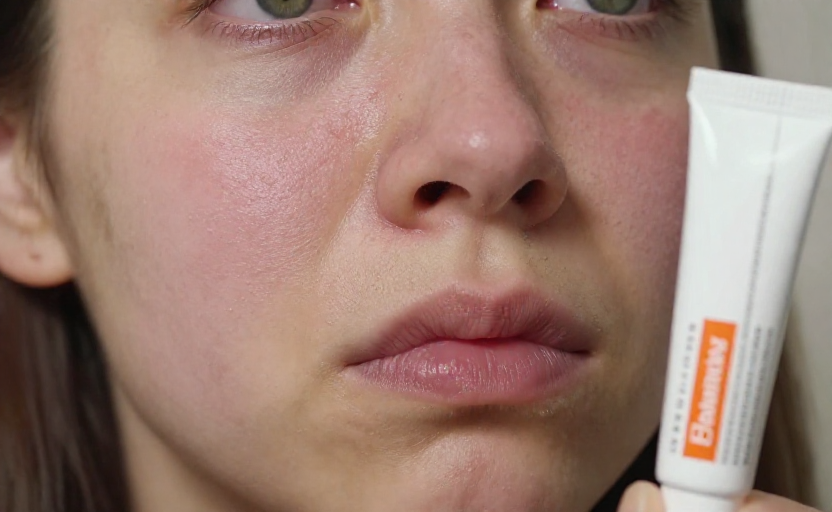
Retinoids are a proven workhorse in skincare — they speed cell turnover, boost collagen, and can smooth fine lines over time. But when you push too hard or use the wrong formula, your skin will let you know. The challenge is distinguishing normal retinoid adjustment from actual irritation. Here are three specific warning signs that your retinoid routine may be damaging your skin barrier rather than helping it.
1. Persistent redness and a stinging sensation
A little pinkness the morning after applying retinoids can be part of the initial retinization phase, especially for those new to the ingredient. However, if redness lasts more than a day or is accompanied by a burning or stinging feeling when you apply moisturizer or even water, that's a red flag. Your skin barrier is likely compromised. In healthy barrier function, the outer layer keeps irritants out and moisture in. When retinoids break down that barrier too aggressively, the skin becomes reactive, inflamed, and sensitive to even the gentlest products.
2. Excessive peeling beyond the expected flakiness
Some peeling is normal in the first few weeks — think small, dry flakes along the jawline, nose, or around the mouth. But if you're seeing visible sheets of peeling skin, raw patches, or a feeling of tightness that doesn't go away after moisturizing, your face is signaling that the retinoid concentration or frequency is too high for your skin's tolerance level. This type of peeling indicates the skin is losing its moisture barrier faster than it can repair. Instead of pushing through, it's time to dial back. Back off to once or twice a week, buffer your retinoid by applying it over moisturizer, or switch to a lower concentration. The goal is gradual acclimation, not peeling skin.
3. New or worsened breakouts that aren't purging
There's a known phenomenon called the "retinoid purge" — acne that temporarily surfaces as cell turnover speeds up. Purge breakouts usually appear in areas where you normally break out, and they resolve within a few weeks. The warning sign is when you see deep, painful cysts, breakouts in spots you've never had acne before, or widespread inflammation that doesn't improve after six weeks. That's not purging; that's irritation. Overly aggressive retinoid use can inflame the skin's immune response, causing acneiform eruptions that look like acne but are actually an irritation reaction. If this sounds familiar, pause the retinoid for a week and let your skin calm down before restarting with a gentler approach.
How to tell normal adjustment from irritation
Normal retinoid adjustment usually involves mild, patchy dryness and slight tingling for the first 15–20 minutes after application. Your skin tone stays relatively even, and any flaking is minimal and manageable with a good moisturizer. Irritation, on the other hand, is persistent, painful, and involves clear signs of barrier damage — tightness, stinging, broken capillaries, or a red-orange hue around the mouth and nose. If you experience the latter, reduce frequency, lower concentration, or consider applying retinoids only after a moisturizer buffer. And always apply a broad-spectrum sunscreen daily, because retinoids increase skin's vulnerability to UV damage.
Building a smarter retinoid routine
Retinoids are not a race. Slow and steady wins with healthier skin. Start with a low-strength product two nights per week and monitor your skin's reaction before increasing frequency. Use a simple, hydrating cleanser and a rich moisturizer without active ingredients on the same night. Avoid combining retinoids with other strong actives, like high-percentage acids or vitamin C, until your skin is well-accustomed. And listen to your skin: if it burns, it's not benefiting. Retinoids should leave your skin looking fresher, not angrier.