
You’ve heard the old advice about not eating right before bed. But what if your evening snack is doing more than just sitting heavy in your stomach? For many people, a late-night bite can quietly disrupt their sleep and send stress hormones like cortisol climbing. The problem isn't always obvious—your body sends signals, but they’re easy to miss or blame on something else.
If you regularly snack within an hour or two of sleeping, watch for these three warning signs that your pre-bed food choice might be working against your rest and recovery.
1. You Wake Up Frequently During the Night
Occasional stirring is normal, but waking up multiple times—especially with a racing mind or a slightly elevated heart rate—can point to a blood sugar or digestive issue. When you eat a snack heavy in refined carbohydrates or sugar before bed, your blood glucose can spike and then crash a few hours later. That drop triggers the release of cortisol and adrenaline, which jolts you awake or leaves you feeling restless.
High-fat or spicy foods can also delay stomach emptying, causing reflux or discomfort that subtly rouses you from deep sleep. If you find yourself glancing at the clock at 2 or 3 a.m. most nights, your snack might be the culprit.
2. You Feel Hungry or Groggy in the Morning
A good night’s sleep should leave you feeling reasonably refreshed, not ravenous or foggy. Waking up with a growling stomach or a headache can mean your body spent the night managing unstable blood sugar rather than restoring itself. Late-night eating—especially if the snack was carb-heavy—can suppress the overnight release of growth hormone and melatonin while raising cortisol. That hormonal mix leaves you with low energy and a disrupted appetite the next day.
If a solid breakfast doesn’t fix the fatigue, look back at what you ate after dinner.
3. You Notice More Belly Fat or Water Retention
Chronically elevated cortisol encourages the body to store fat, particularly around the midsection. Even if your overall calorie intake hasn’t changed, a regular pre-bed snack that spikes insulin and cortisol can encourage that stubborn belly fat. You might also notice puffiness or bloating in the morning—sodium-rich snacks like chips, pretzels, or processed cheese can cause water retention that messes with both your sleep quality and how you feel in the morning.
This isn't about weight stigma or vanity; it’s a biological signal that your nighttime routine is out of sync with your body’s natural rest-and-repair state.
What You Can Do About It
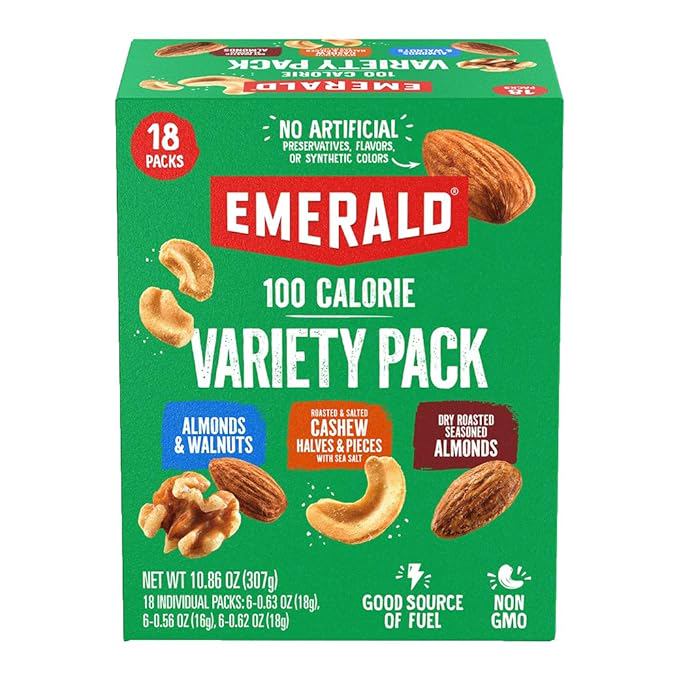
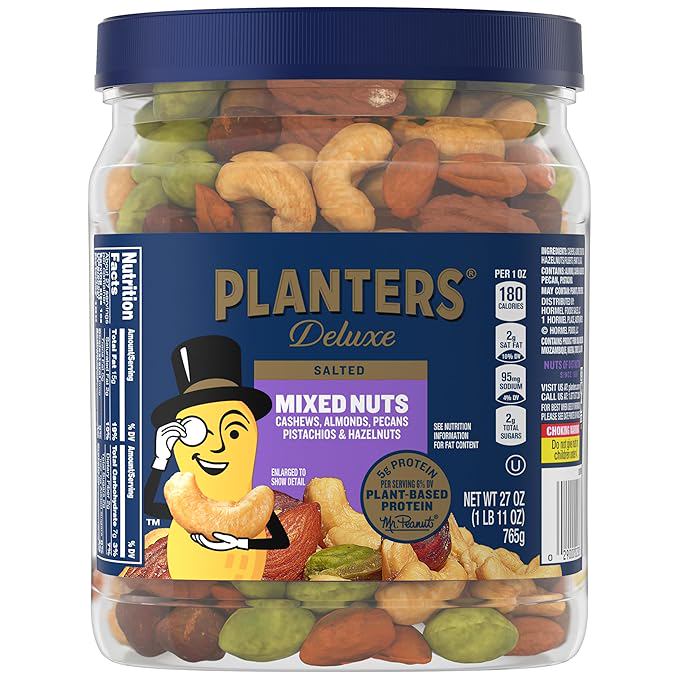
If one or more of these signs sound familiar, you don’t have to cut out all evening eating. The key is timing and composition. Try leaving at least two hours between your last bite and bedtime. If you do need something small, choose a combination of protein and healthy fat—like a handful of almonds, a hard-boiled egg, or plain yogurt with a few berries. These choices stabilize blood sugar and promote a calm cortisol rhythm.
A quick caveat: Everyone is different. If you have diabetes, acid reflux, or another condition that affects digestion or blood sugar, talk with your doctor about what works best for you. These are general wellness tips, not medical orders.
By paying attention to these three warning signs, you can turn a hidden sleep saboteur into a supportive habit. Small adjustments can lead to deeper rest, steadier energy, and a calmer stress response—without giving up all your evening snacks.