
We often think of poor posture as a problem that lives only in the shoulders and spine. A rounded upper back or a forward-tilted head can certainly lead to chronic back pain, but the effects do not stop there. Many people are surprised to learn that the way they sit, stand, and move can silently influence their digestion, breathing, and even their mood. If you have been blaming stress or a busy schedule for certain nagging symptoms, it may be time to take a closer look at your alignment.
1. Persistent tension headaches or jaw pain
When your head drifts forward of your shoulders—a pattern often called "text neck"—the muscles at the base of your skull have to work much harder to keep your gaze level. This constant strain can trigger tension headaches that start in the neck and radiate up over the scalp. It can also contribute to clenching in the jaw, leading to temporomandibular joint discomfort. You might notice that your jaw feels tight by the end of the day, or that you wake up with a dull headache even after a full night of sleep. These are not random aches; they are often your body signaling that the support structure of your neck and upper back is out of balance.
Forward head posture can increase the effective weight of your head on your spine by up to 30 to 40 pounds, placing significant stress on muscles and joints.
2. Frequent indigestion or a sensation of reflux after meals
Posture affects more than your skeleton—it influences the position and function of your internal organs. Slouching compresses the abdominal cavity, crowding the stomach and intestines. When you slouch immediately after eating, the forward fold of the torso can push stomach contents upward against the lower esophageal sphincter, making it easier for acid to escape into the esophagus. This can mimic or worsen symptoms of gastroesophageal reflux, even if you have never struggled with heartburn before. Similarly, a slumped posture can slow the transit of food through the digestive tract, contributing to bloating, gas, and sluggish digestion. If you notice that your digestion feels worse after long hours at a desk, your chair—and your alignment—could be part of the issue.
3. Shallow breathing or a sense that you cannot take a full, satisfying breath
The mechanics of breathing rely on the free movement of the rib cage and the diaphragm. Slouching rounds the shoulders forward and tightens the chest wall, restricting the ability of the rib cage to expand fully. When your posture is collapsed, your body naturally switches to accessory breathing muscles in the neck and upper chest rather than using the diaphragm efficiently. Over time, this patterns can produce feelings of breathlessness, anxiety, or the vague sense that you are never getting enough air. It is not uncommon for someone to visit a pulmonologist and have normal lung function tests, only to realize that their habitual posture is the culprit. Breathing should be effortless; if it feels forced or shallow, check how you are holding your torso right now.
What you can do to correct these patterns
Reversing the effects of poor posture rarely requires a complete lifestyle overhaul. Small, consistent adjustments often yield noticeable improvements. Try these approaches:
- Set a movement timer. Sitting still for longer than 30 minutes triggers muscle fatigue and encourages slumping. Use a gentle reminder to stand, stretch your arms overhead, or take a few slow, deep steps around the room.
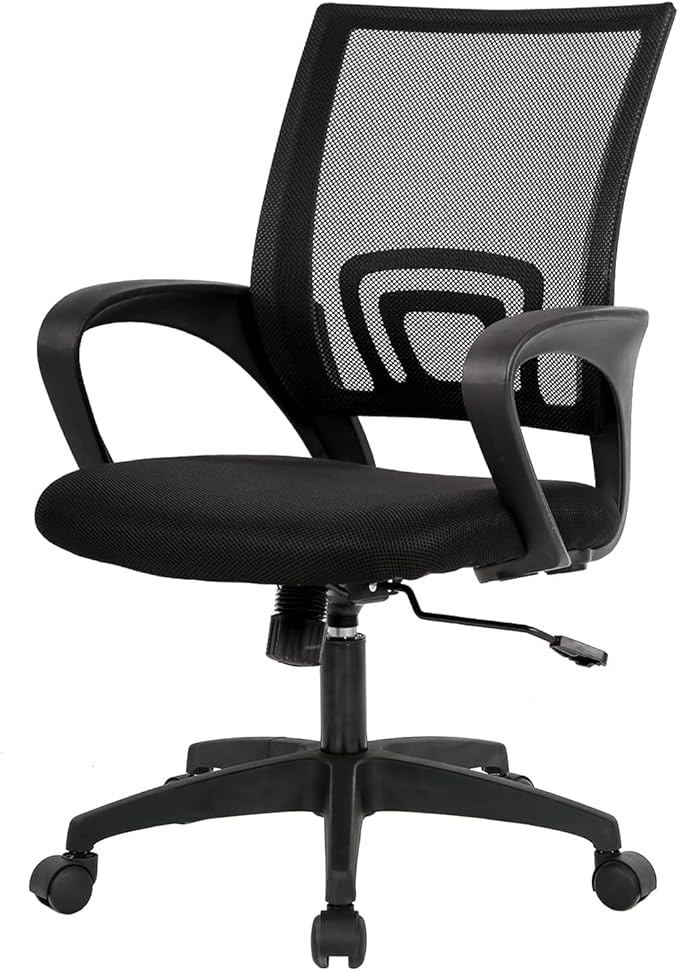
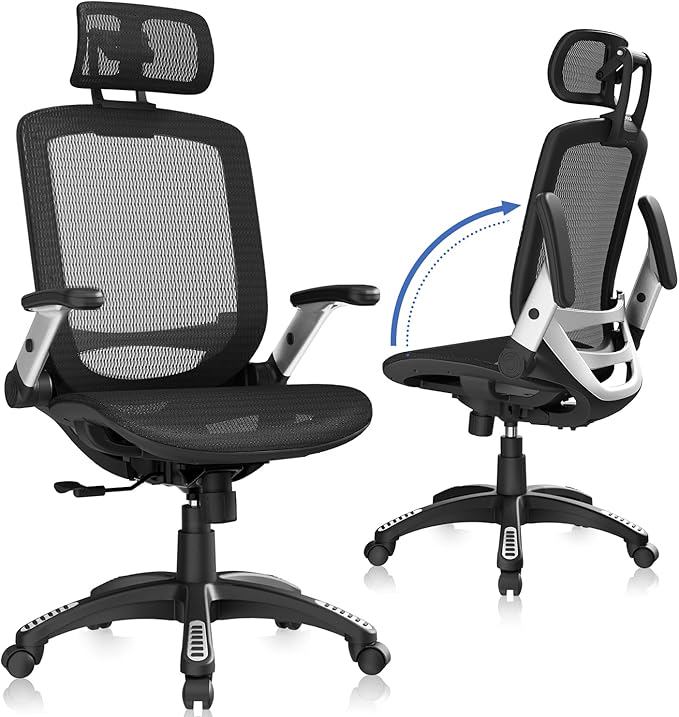
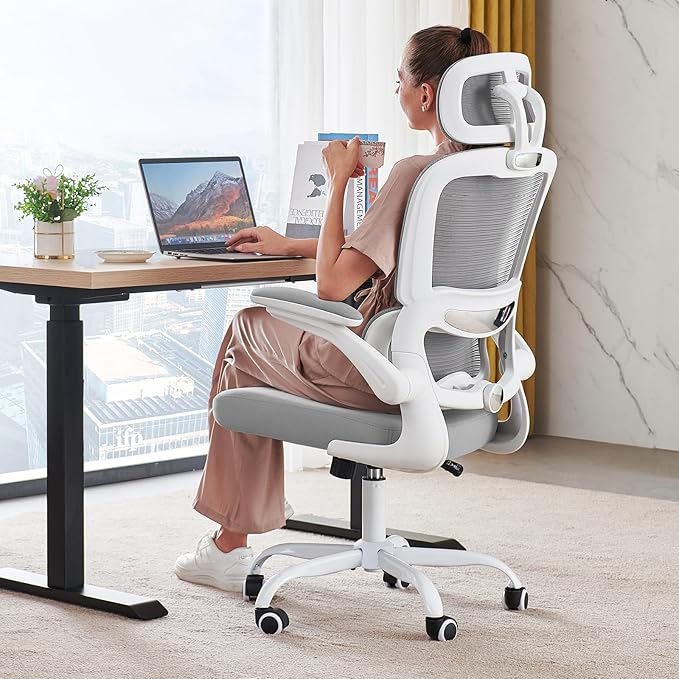
- Adjust your workstation. Your screen should be at eye level so you do not have to tilt your head forward. Your chair should support the natural inward curve of your lower back.
- Practice diaphragmatic breathing while aligning your spine. Lie on your back with knees bent, place one hand on your chest and one on your belly. Inhale slowly, feeling your belly rise, and keep your ribs stable. This trains the body to breathe without relying on the neck muscles.
- Release tension in the jaw and temples. Gentle self-massage of the jaw muscles and regular reminders to unclench your teeth can ease referred tension from the neck.
Improving posture is not about standing perfectly still like a soldier on parade. It is about building enough awareness and strength to let your body rest in a neutral, efficient alignment most of the time. The benefits reach far beyond the spine. If you have been wrestling with headaches, unexplained digestive discomfort, or the sensation that you cannot breathe deeply enough, your posture may be the thread that ties all those symptoms together.