We often accept fine lines as a natural part of getting older. A faint crease by the eye when we smile, a gentle furrow on the brow when we concentrate—these are the marks of a life lived expressively. But sometimes, the story our skin tells shifts. The texture changes, and those initial lines begin to speak a different language, one that might signal your skin’s needs are evolving beyond simple surface hydration.
Distinguishing between normal, age-related fine lines and deeper structural changes is key to choosing the right care. It’s the difference between addressing a temporary dryness and supporting your skin’s foundational health. Here’s how to read the subtle signs that your fine lines are becoming something more.
When Do Fine Lines Cross the Line?
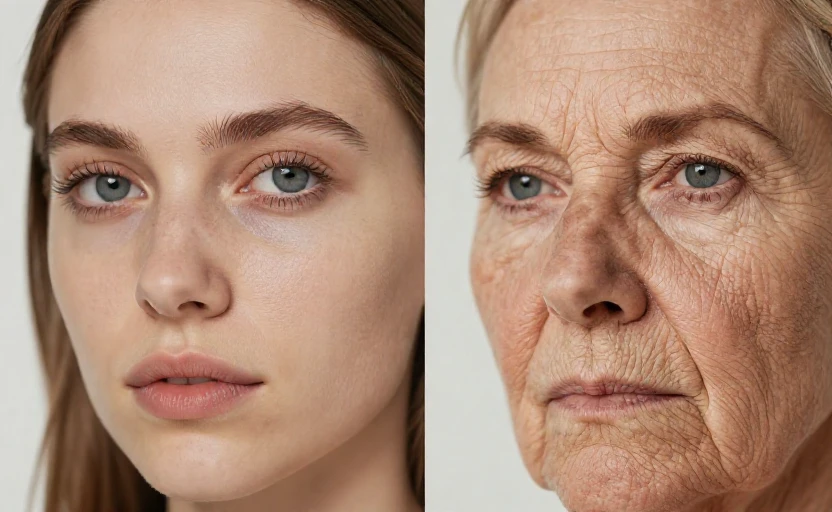
Fine lines are typically superficial, appearing as shallow etchings on the skin’s surface. They come and go with expression and are often most visible in dry skin or under harsh lighting. Deeper wrinkles, however, are more permanent. They result from a combination of factors: the gradual breakdown of collagen and elastin—the proteins that keep skin firm and springy—alongside repeated muscle movements and external stressors like sun exposure.
The transition isn’t always abrupt. It’s a gradual deepening, a settling in. Paying attention to these three specific warning signs can help you understand what’s happening beneath the surface.
Sign 1: They’re Visible Even When Your Face Is Fully Relaxed
This is perhaps the most telling sign. Fine lines from expression, like crow’s feet, appear when you smile or squint and soften or disappear when your face is at rest. A line that has become a wrinkle remains as a distinct groove, crease, or fold when your facial muscles are completely relaxed.
Try this: sit in front of a mirror with neutral, soft lighting. Gently rest your face, letting your features go slack. Observe the areas where you usually see lines—between the brows, across the forehead, from the nose to the mouth. Do the lines persist as clear indentations?
If a line doesn’t fade when your expression does, it suggests a more permanent change in the skin’s structure.
This permanence points to a loss of the underlying support network. Collagen and elastin fibers have weakened, and the skin can no longer snap back to its smooth state. It’s less about temporary dehydration and more about the long-term architecture of your skin.
Sign 2: The Skin Texture Feels Thin or Crepey in That Area
Touch the skin around these persistent lines. How does it feel compared to the skin on, say, your cheek or jaw? If it feels noticeably thinner, looser, or has a crinkled, paper-like quality—often described as crepey—this is a significant indicator.
Fine lines from surface dryness might make skin feel tight or rough, but the underlying tissue still feels plump. A crepey texture signals a depletion in the dermis, the skin’s thicker middle layer where collagen, elastin, and hyaluronic acid do their work. This layer is responsible for volume and elasticity.
- What you might notice: The skin looks almost finely wrinkled, like crumpled tissue paper, especially when pinched gently.
- Why it happens: Chronic sun exposure is a primary culprit, breaking down elastin fibers. Natural aging also slows the production of new collagen and the skin’s natural hyaluronic acid, which holds moisture.
This textural change means the skin’s foundation is compromised. Topical moisturizers can improve the surface appearance temporarily, but they cannot rebuild the lost support structure on their own.
Sign 3: The Lines Have a Defined, Harsh Shadow or “Cracked” Appearance
Look at the lines under direct light and then from an angle. Superficial fine lines often just catch the light. Deeper wrinkles, however, cast a small but definite shadow because they are actual crevices in the skin.
You might also notice that what was once a single fine line has branched out or appears more like a crack in dry earth. This “cracking” pattern indicates that the skin’s surface is folding over a deeper, structural groove. The skin is losing its ability to distribute tension evenly, so it collapses along these specific fault lines.
Seeing these signs isn’t a cause for alarm, but rather for a thoughtful shift in your skincare approach. It’s a signal that your skin could benefit from ingredients and habits that go beyond basic moisturizing to support its natural repair processes and protect its framework.
How to Care for Skin Showing These Signs
When lines become deeper, an effective routine focuses on three pillars: protection, support, and nourishment. The goal is to prevent further damage while encouraging your skin’s own renewal.
Protect Relentlessly
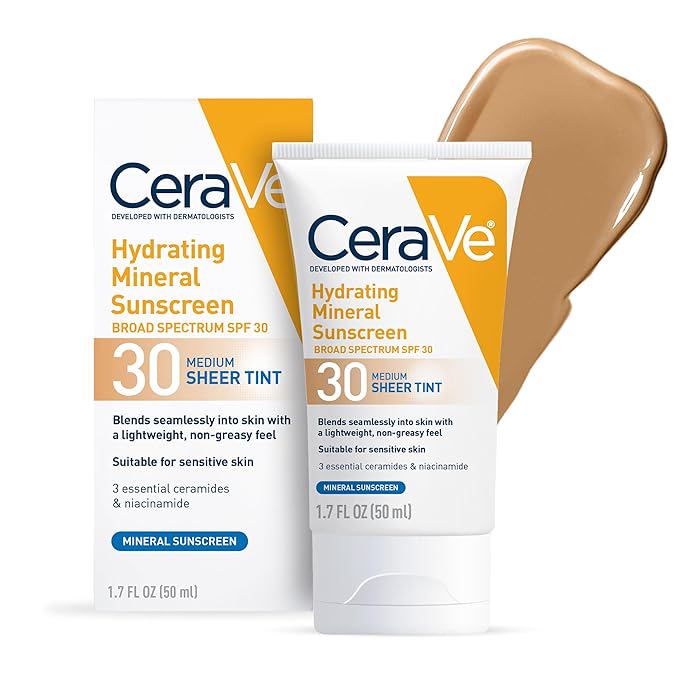
Sun protection is non-negotiable. UV radiation is the single greatest accelerant of collagen breakdown and the formation of deep wrinkles. A broad-spectrum sunscreen, worn daily regardless of the weather, is your most powerful preventative tool. Think of it as the foundation for any other product to work effectively.
Support with Proven Ingredients
Incorporate products with ingredients known to support the skin’s structure. These don’t “erase” wrinkles, but they can help improve the appearance of skin texture and firmness over time by encouraging a healthier environment in the dermis.
- Retinoids (like retinol): Vitamin A derivatives that are extensively studied for their ability to speed up cell turnover and, crucially, stimulate collagen production.
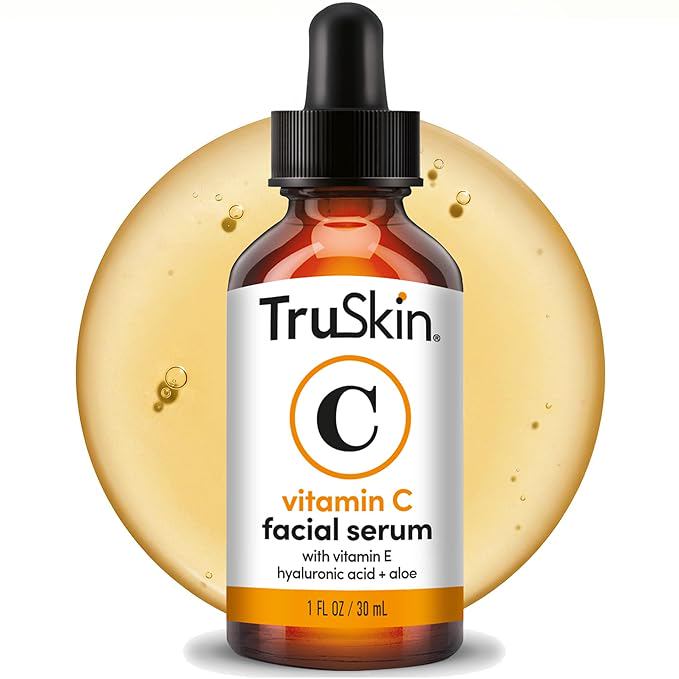
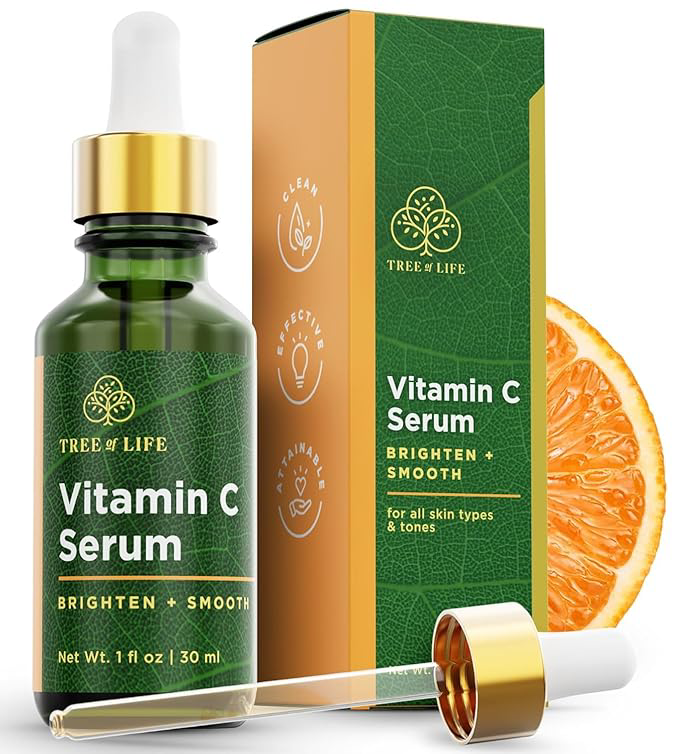
- Vitamin C (L-ascorbic acid): A potent antioxidant that helps defend against free radical damage from the sun and pollution. It also plays a key role in collagen synthesis.
- Peptides: These are short chains of amino acids that act as messengers, signaling the skin to produce more collagen.
Introduce such ingredients slowly, especially retinol, to allow your skin to adjust.
Nourish and Hydrate Deeply
While surface moisturizers aren’t enough on their own, deep hydration remains essential. Well-hydrated skin looks plumper, which can soften the appearance of lines. Look for humectants like hyaluronic acid and glycerin, which draw water into the skin, and emollients like ceramides and fatty acids, which help fortify the skin’s natural moisture barrier.
Remember, consistency is more valuable than any single miracle product. A simple, sustained routine built on these principles is your best strategy for caring for skin as it changes, helping it look and feel its healthiest at any age.