
Most of us have woken up to a pair of dark circles staring back from the mirror after a late night. We blame exhaustion, skip the concealer, and promise to sleep more. But what if the shadows under your eyes are trying to tell you something deeper? While occasional under-eye darkness is normal after a short night, persistent or changing discoloration can sometimes signal an underlying health issue that deserves attention—not just more concealer.
Learning to differentiate between cosmetic fatigue and a medical concern is a valuable skill. Here are three specific warning signs that suggest your dark circles might be more than just tiredness.
1. Persistent puffiness along with color change
If your under-eye area is not only dark but also consistently swollen or puffy—especially in the morning—you may be dealing with more than a lack of sleep. This combination can point to fluid retention, allergies, or even thyroid dysfunction. Allergic shiners, for example, form when nasal congestion slows blood flow, allowing blood to pool under the eyes and create a bluish-purple hue. When puffiness and discoloration appear together day after day, it is worth considering whether seasonal allergies, sinus issues, or dietary triggers are at play.
Thyroid disease can also cause puffiness and darkening around the eyes, as the tissues under the skin swell due to changes in hormone levels. If your dark circles feel puffy to the touch and are accompanied by fatigue, hoarseness, or a feeling of fullness in the neck, a thyroid panel may be a prudent next step.
2. Unusual coloration without an obvious cause
Not all dark circles are the same shade of brown or blue. Pay close attention to the specific hue under your eyes. Here is a quick guide to what different colors can mean:
- Blue or purple tones usually indicate restricted blood flow or thin skin showing the underlying veins. This is the most common type and is often genetic or related to sleep posture.
- Brown or hyperpigmented patches can result from chronic rubbing, sun exposure, or melasma. This type responds to topical brightening agents and sun protection.
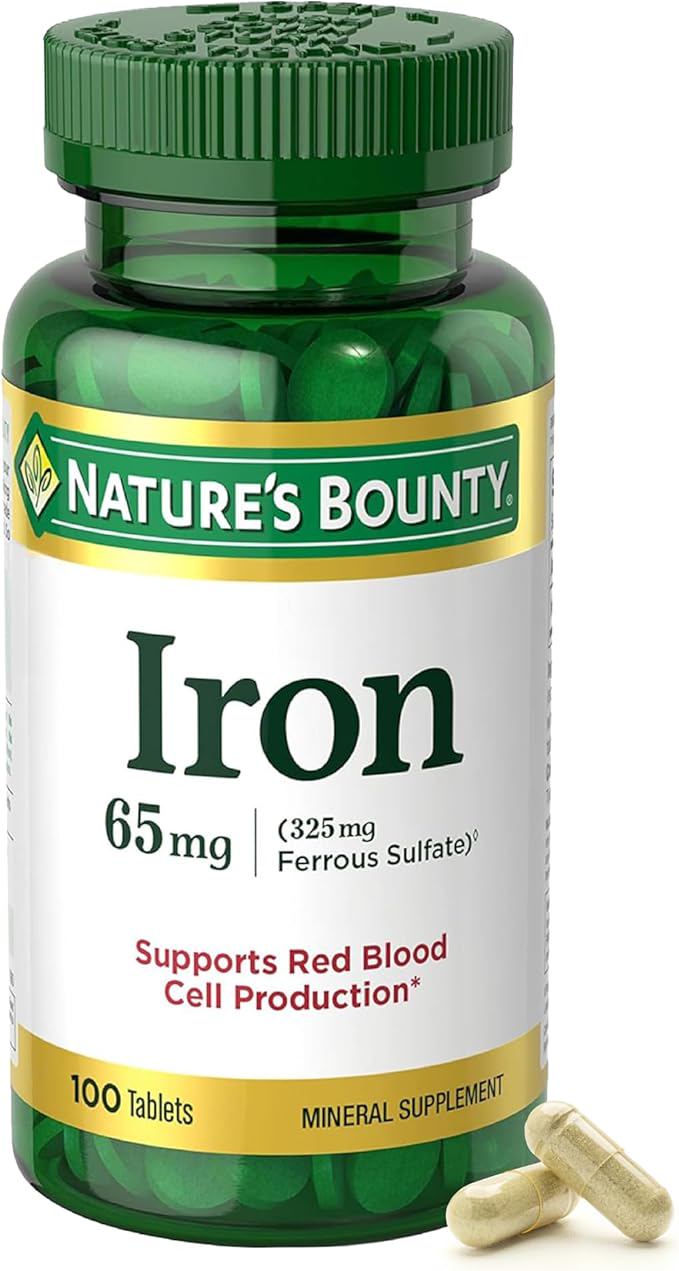
- A yellowish or sallow tint combined with deep shadows can point to liver stress, jaundice, or iron-deficiency anemia. In anemia, the skin loses its healthy flush and develops a pale or yellowish cast, making the blood vessels under the eyes more visible.
- Dark, almost purplish circles with a greenish undertone are less common but have been associated with conditions like hemosiderin staining from iron overload or chronic inflammation.
If you notice a sudden change in the color of your dark circles—especially toward yellow, green, or a deep purple that does not fade with rest—consult a healthcare provider for blood work and a basic physical exam.
3. Accompanying symptoms you cannot ignore
The most telling red flag is when dark circles appear alongside other systemic symptoms. These co-occurring signs suggest the under-eye changes are part of a bigger picture. Watch for:
- Unexplained fatigue or weakness—common with anemia, thyroid disease, or chronic fatigue syndrome.
- Shortness of breath or palpitations—could signal anemia or heart-related circulation issues.
- Changes in skin texture or hair loss—often accompany nutritional deficiencies or hormonal imbalances.
- Frequent headaches or difficulty concentrating—may point to sleep apnea, which causes low oxygen levels and can produce dark circles.
- Digestive issues or weight changes—can reflect malabsorption of nutrients, such as iron or B vitamins.
If you have dark circles plus daily headaches, shortness of breath, or a feeling of being “run down” for more than two weeks, schedule a routine physical. Sometimes the eyes really are a window to the rest of the body.
Beyond these three categories, there are less common but serious conditions that can first appear as under-eye discoloration. For example, certain autoimmune disorders cause blood vessel inflammation that shows up around the eyes. Kidney dysfunction can create both puffiness and a grayish discoloration due to fluid and waste buildup. And in rare cases, neurofibromatosis type 1 can present with multiple small dark spots around the eye area.
The key takeaway for everyday health is that context matters. A single night of sleep deprivation is not a warning sign. But when dark circles are persistent, change in character, or come with other symptoms, they deserve a conversation with a doctor—not just a new eye cream.