
Your skin care routine is meant to help your skin—but sometimes, even well-intentioned habits can backfire. When products you use every day start to cause stinging, redness, or breakouts, it’s not always obvious what’s going wrong. The line between an effective product and an irritating one can be thin, and many people mistake early signs of irritation for purging or dryness.
Understanding the warning signals your skin sends is the first step toward a calmer, healthier complexion. Here are three common signs that your daily regimen might be doing more harm than good.
1. A Persistent Burning or Stinging Sensation
It’s normal for certain active ingredients—like AHAs, BHAs, or retinol—to cause a slight tingle at first, especially when your skin is still adapting. But that sensation should fade within a few minutes. If your skin burns, stings, or feels uncomfortably hot every time you apply a moisturizer, cleanser, or serum, that’s not a sign of efficacy—it’s a sign of barrier disruption.
When the outermost layer of your skin (the stratum corneum) is compromised, protective lipids are stripped away, allowing ingredients to penetrate too deeply and irritate nerve endings. This can happen from over-exfoliating, using surfactants that are too harsh, or layering incompatible active ingredients.
What to look for: A consistent sharp or prickly feeling that lasts for several minutes after application, especially with gentle products that shouldn’t sting at all. If your face feels raw or “tight” even after moisturizer, that’s another red flag.
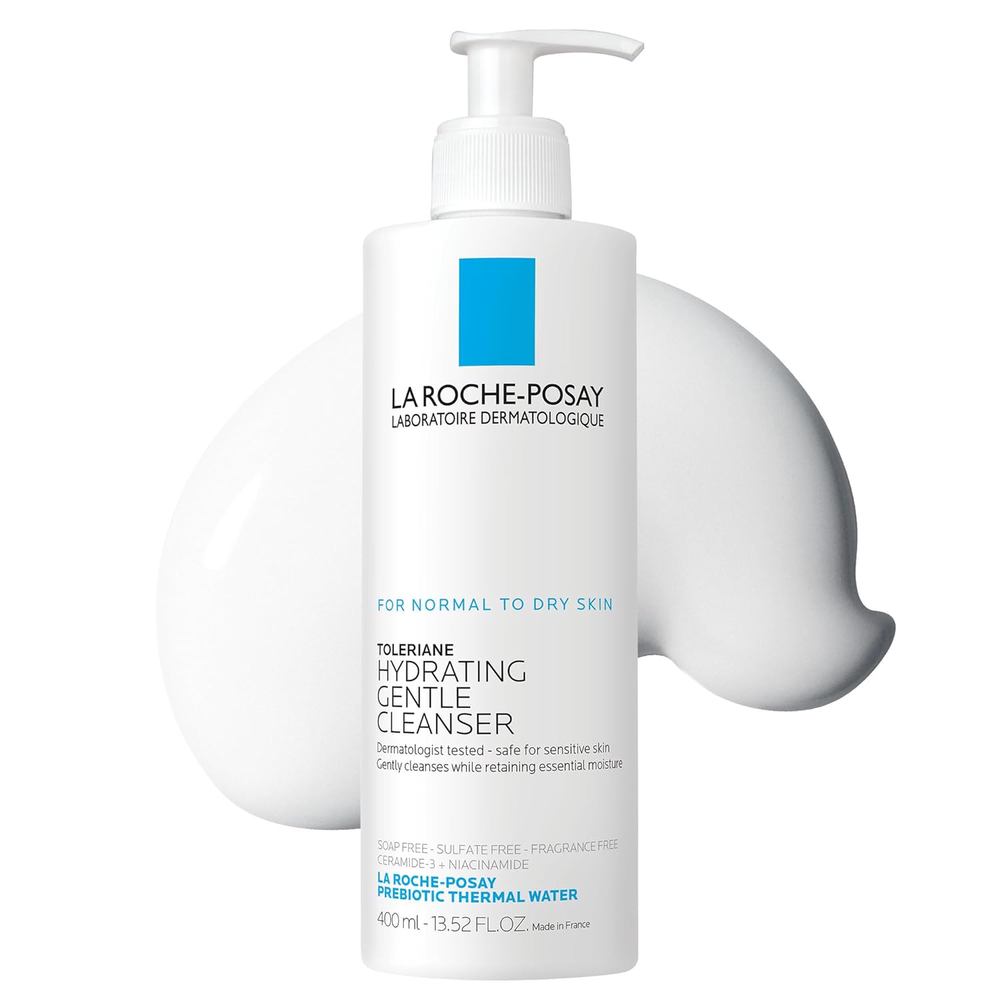
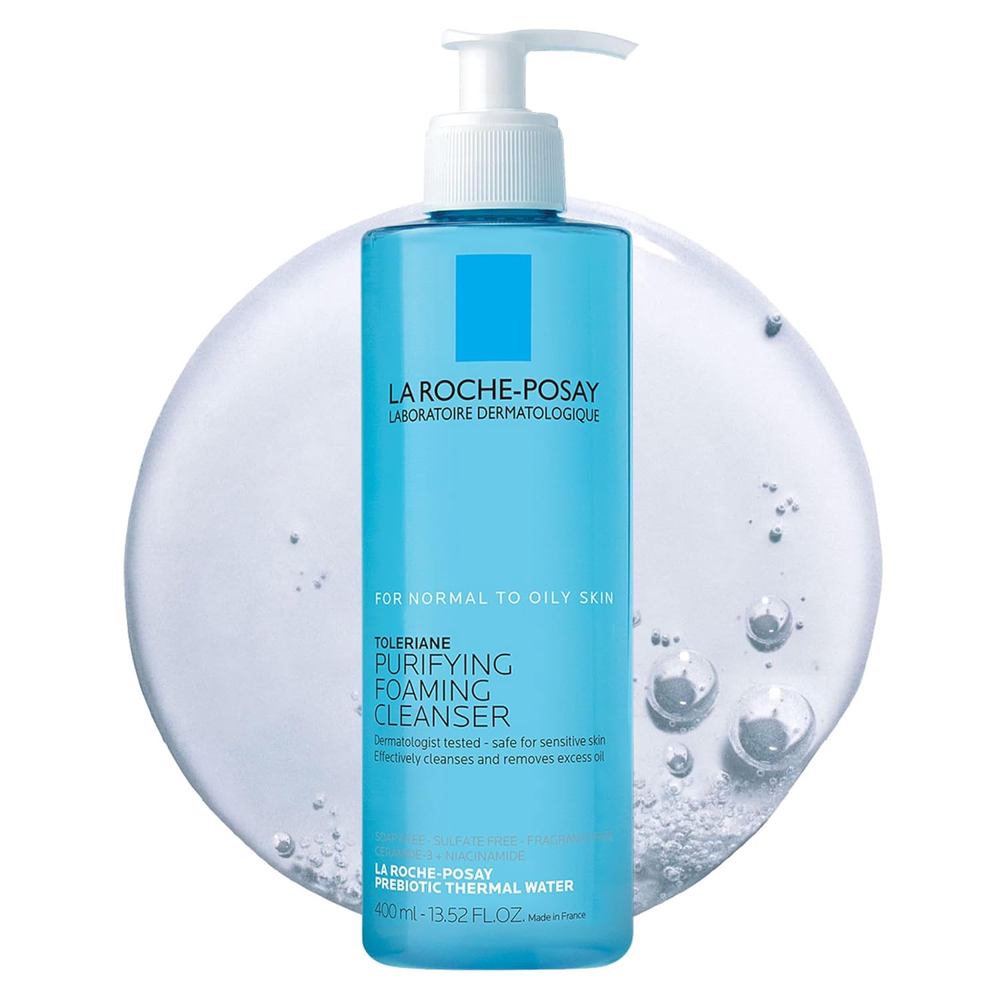
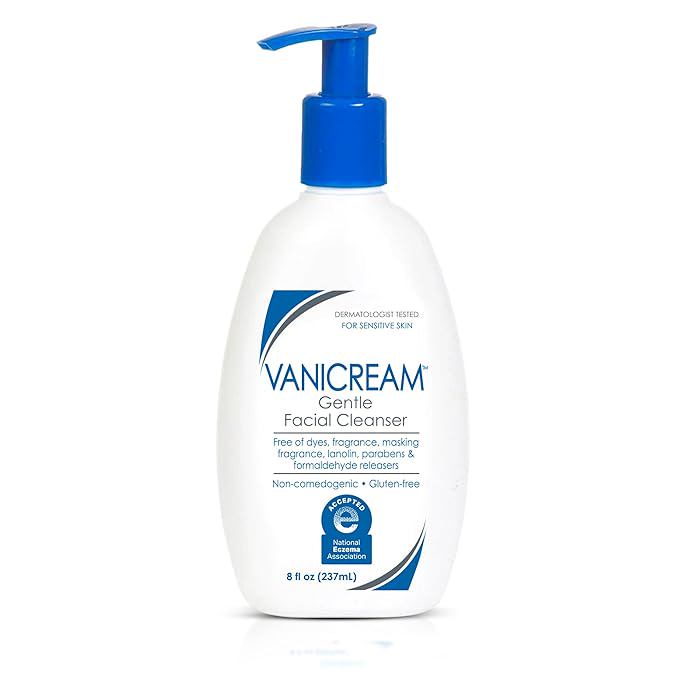
What you can do: Take a break from all active ingredients for a few days. Stick to a bare-bones routine—a gentle, pH-balanced cleanser and a simple moisturizer with ceramides or squalane. When you reintroduce actives, use them one at a time and no more than three nights per week.
2. Redness That Won’t Settle Down
Occasional flushing from a hot shower or spicy food is one thing. But if your cheeks, chin, or nose look permanently pink or red, your routine may be the culprit. Chronic redness often signals inflammation at the cellular level, which can be triggered by ingredients like fragrance, essential oils, alcohol denat., or certain preservatives.
This kind of irritation is especially common in people with sensitive or reactive skin, but it can happen to anyone who uses a product that doesn’t agree with their skin pH or microbiome. Redness may also appear in patches, along with a rough texture or small bumps that aren’t quite pimples.
What to look for: A flushed appearance that lingers for hours after washing your face or applying a product. Also watch for warm-to-the-touch areas that feel inflamed, even if you haven’t been in the sun or eaten anything reactive.
What you can do: Switch to fragrance-free products with minimal ingredient lists. Look for soothing ingredients like niacinamide, centella asiatica (cica), or colloidal oatmeal. If redness persists for more than two weeks after simplifying your routine, consider checking in with a dermatologist—it could be a sign of rosacea or contact dermatitis.
3. Breakouts in Unexpected Places
It’s frustrating to deal with pimples even when you’re diligent about cleansing and treating your skin. But if you’re getting small, red bumps or whiteheads in areas where you don’t normally break out—like your cheeks, jawline, or around the mouth—it may be a sign of product-induced irritation, not true acne.
So-called “irritant contact dermatitis” can cause acne-like lesions because the skin’s barrier is damaged and triggers inflammation in the follicles. Heavy creams, occlusive balms, and formulas containing fatty alcohols or coconut-derived ingredients are common offenders for this type of reaction.
What to look for: Bumps that are more uniform in size than your usual breakouts, and that appear shortly after introducing a new product. They may feel itchy or slightly sore, and they often occur along with dry patches or flakiness—a clue that irritation, not clogged pores, is the root cause.
What you can do: Strip your routine back to basics for two weeks. Use a non-comedogenic moisturizer and a gentle cleanser only. If the bumps fade without using any anti-acne medication, they were likely irritation breakouts. When you restart products, patch-test everything new on your jawline for at least five days before using it all over.
Your skin care routine should support your skin’s natural barrier, not attack it. If you notice any of these three signs consistently, it’s a good time to pause and reassess. Often, less really is more—giving your skin a break from actives and focusing on gentle hydration can restore balance within a few weeks. And when in doubt, a board-certified dermatologist can help you pinpoint triggers and build a routine that actually works with your skin, not against it.