You know that foggy, irritable feeling that sometimes creeps up on you in the middle of the afternoon? The one where every little sound grates on your nerves and you can barely string a sentence together? Before you blame a bad night's sleep or a stressful day, take a look at your water bottle. Dehydration might be the quiet culprit behind your mood swings, and it's more common than you think.
Your brain is deeply dependent on water to function properly. Even a small dip in your body's fluid levels can alter your mood, energy, and mental clarity. The tricky part is that most people don't realize they're slightly dehydrated until they're already feeling off. Learning to recognize the warning signs can help you reset your mood with a simple, effective shift in your daily habits.
Foggy Thinking and Poor Concentration
One of the earliest signs that your hydration is slipping is a sudden drop in mental sharpness. You might find yourself reading the same paragraph three times, forgetting why you walked into a room, or struggling to follow a conversation. This mental fog isn't just fatigue—it's often your brain's way of signaling that it's running low on fluids.
Research has shown that even mild dehydration, around 1-2% of body weight loss, can impair cognitive performance. This includes attention, memory, and motor coordination. When your brain cells don't have enough water, they can't transmit signals as efficiently, and that slowness translates into frustration and irritability. If you notice your focus slipping mid-morning or mid-afternoon, drinking a glass of water might be a faster fix than reaching for another cup of coffee.
Unusual Irritability or Anxiety
Have you been snapping at people more than usual, or feeling a low-grade anxious tension that you can't quite pin down? Your hydration status could be playing a direct role. Dehydration puts stress on your body, triggering the release of cortisol and other stress hormones. This hormonal shift can make you feel more on edge, less patient, and more reactive to small annoyances.
Some studies have found that even mild dehydration is associated with increased feelings of tension, anxiety, and fatigue. Athletes and active individuals often report that their mood tanks during workouts when they haven't drunk enough water. But the same principle applies to a typical desk job: if you're irritable by 2 p.m. and you've barely had a sip of water all day, the connection is worth exploring. Drinking enough fluid throughout the day can help keep your stress response in check and maintain a more even emotional baseline.
Listen to Your Body's Subtle Signals
Many people ignore the early thirst cues, mistaking them for hunger or boredom. However, by the time you feel thirsty, you may already be dehydrated enough to affect your mood. If you're also dealing with a dry mouth, slightly sunken eyes, or darker urine, those are additional clues that your fluid intake needs a boost.
Headaches and Persistent Fatigue
A nagging headache that won't go away, coupled with a sense of tiredness that isn't relieved by rest, is a classic sign of inadequate hydration. Your brain sits inside a fluid-filled cushion, and when that fluid level drops, your brain can press against your skull, causing a dehydration headache. This physical discomfort naturally drags down your mood, making you feel sluggish, unmotivated, and even sad.
Fatigue from dehydration is different from the usual kind of sleepiness. It often feels like a heavy, low-energy state where you need to push yourself through every task. The good news is that once you rehydrate, the headache can ease within 30 minutes to a few hours, and your energy levels can rise back up. If you're relying on caffeine or sugary drinks to get through the afternoon slump, try swapping one of those for a tall glass of water and pay attention to how you feel afterward.
How to Rebalance Your Hydration for a Better Mood
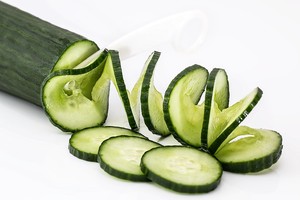
Making a few small adjustments can help you stay ahead of dehydration and support a more stable mood. Start by keeping a reusable water bottle on your desk or in your bag as a visual reminder. Sip water regularly throughout the day, even if you don't feel thirsty. Including water-rich foods like cucumbers, oranges, melons, and leafy greens can also contribute to your overall fluid intake.
It's also important to remember that hydration needs vary based on your activity level, the climate you live in, and your overall health. If you exercise heavily or spend time in hot weather, you'll need more fluid to replenish what you lose through sweat. Try to avoid falling into the trap of only drinking when you're parched, as this reactive habit often leads to the very dips in mood that you want to prevent.
A simple test: check your urine color. Pale, straw-colored urine usually indicates good hydration, while dark yellow or amber suggests you need to drink more water.
When to Look Beyond Hydration
While staying properly hydrated is a powerful way to support your emotional well-being, it's not a cure-all. If you're experiencing persistent mood changes, anxiety, or depression that last for weeks or interfere with your daily life, it's important to speak with a healthcare professional. Dehydration can certainly worsen mood, but it's rarely the only factor. A doctor can help you explore other potential causes and guide you toward appropriate support.
Building a habit of consistent hydration is a simple, low-risk strategy that can make a noticeable difference in how you feel. Start today by paying attention to those three warning signs: brain fog, irritability, and fatigue. They might be telling you something as straightforward as, "I need a drink of water."