You already know that living with PCOS means navigating a delicate hormonal dance every single day. What many people don't realize is that chronic stress acts like an uninvited guest who keeps turning up the heat in the room. When your body perceives constant pressure—whether from work, relationships, or even the frustration of managing the condition itself—it releases cortisol. And cortisol, in excess, has a direct line of communication with the ovaries and the adrenal glands, often making PCOS symptoms more intense and harder to manage.
The tricky part is that stress doesn't always announce itself with a pounding headache or a panic attack. Sometimes it settles in quietly and shows up through subtle—but unmistakable—shifts in your cycle, your skin, and your cravings. Below are three specific warning signs that stress may be actively worsening your PCOS hormonal imbalance, along with what you can do to gently push back.
Your period becomes unpredictable or disappears for months
If you have PCOS, you're likely used to some degree of irregularity. But when stress enters the picture, the pattern can change noticeably. Cortisol competes with estrogen and progesterone for space and resources in your body's production pathways. When your system is flooded with stress hormones, it often "borrows" precursors that would normally be used to create sex hormones, leaving you with lower levels of estrogen and progesterone at key points in your cycle.
This can lead to anovulation cycles—where you bleed but don't release an egg—or to prolonged stretches without any period at all. If you notice that your cycles, which were previously every 45 days, have stretched to 60 or 90 days, or you've skipped three months entirely, stress may be a driving factor. Tracking your cycle length alongside your subjective stress levels (even just on a scale of 1 to 10 each day) can reveal connections you might otherwise miss.
Your hair and skin mimic male-pattern changes
One of the most visually distressing signs that stress is tilting your hormonal scales further is a sudden uptick in androgens—specifically testosterone and DHEA-S. You might notice more coarse, dark hairs appearing on your chin, upper lip, or lower belly. At the same time, hair on your scalp may start thinning more noticeably.
Acne that flares up along the jawline or lower cheeks—what dermatologists typically call "hormonal acne"—can also intensify. This is because elevated cortisol triggers the sebaceous glands to produce more oil, and when combined with higher androgen levels, the pores become more easily clogged and inflamed. If you've been managing these symptoms with diet or skincare and suddenly see a regression that lasts more than a few weeks, stress is a prime suspect.
A quick note: if you're already on a hormonal treatment like spironolactone or birth control, and you notice new or worsening hair or skin changes, check in with your healthcare provider. Stress can sometimes override the stabilizing effects of medication.
Intense sugar and carb cravings hit like clockwork
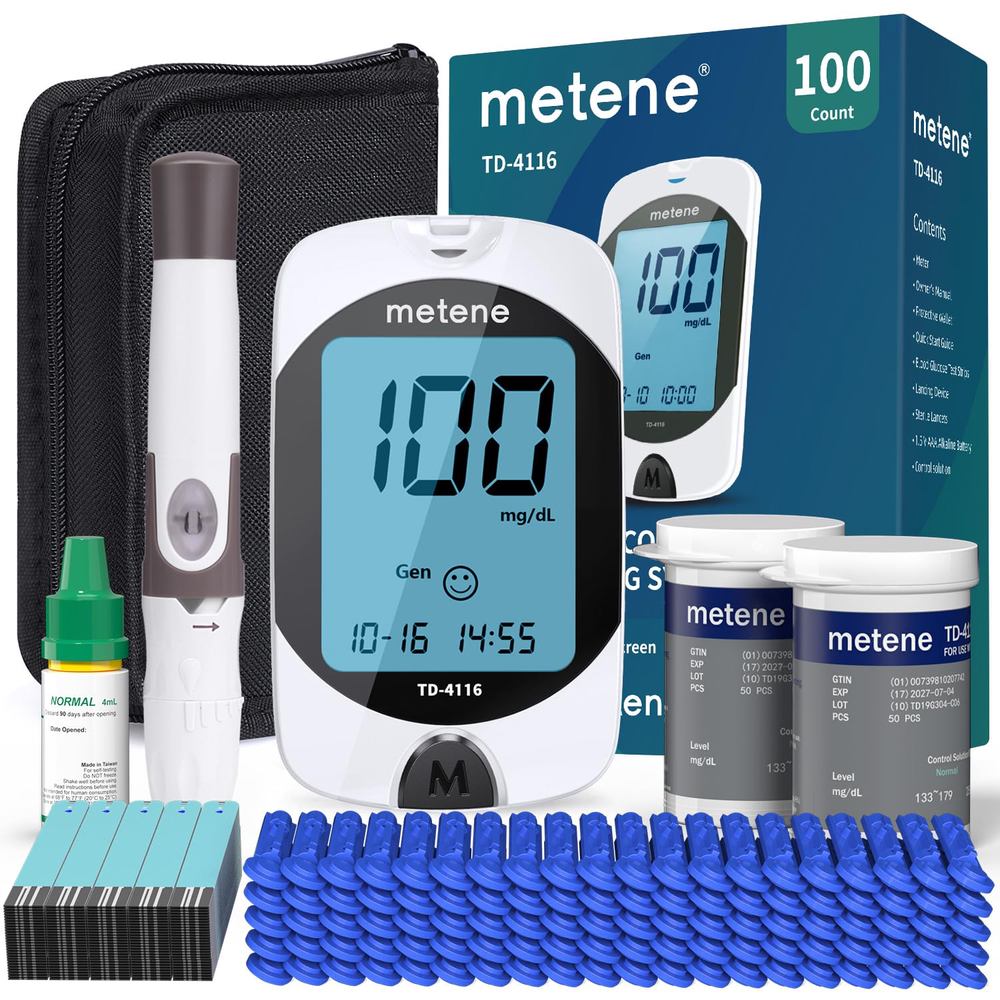
This sign is often dismissed as a lack of willpower, but it has a strong biological basis. When cortisol rises, your body's cells become less responsive to insulin—a state called insulin resistance. For women with PCOS, who often already have some degree of insulin resistance, stress amplifies the problem. Your cells essentially cry out for energy, and the fastest fuel source your brain knows is sugar.
The result is not just a desire for a cookie, but a powerful, almost urgent craving for sweets or refined carbohydrates. You might find yourself reaching for multiple cups of juice, soda, or energy drinks, or feeling shaky and irritable if you don't eat something sugary within a few hours of waking. These cravings are a direct signal that your stress levels are disrupting your blood-sugar regulation, which in turn worsens the hormonal cascade of PCOS.
Breaking this cycle doesn't mean forcing yourself to ignore the craving entirely. Instead, try pairing a small amount of the craved food (like a square of dark chocolate or half a banana) with a protein or fat source (a handful of almonds, a spoonful of peanut butter) to blunt the spike. And then, seriously consider building in five minutes of deep breathing before you eat—just that pause can lower cortisol enough to reduce the intensity of the craving.
What to do if you recognize these signs
Seeing yourself in these descriptions can feel discouraging, but the good news is that each of these signs is a data point, not a life sentence. Start by having a conversation with your gynecologist or endocrinologist. They can run labs for cortisol, DHEA-S, and sex hormone-binding globulin (SHBG) to get a clearer picture.
In the meantime, small daily practices—like going for a 15-minute walk after dinner, setting a consistent bedtime, and limiting caffeine intake—can lower baseline cortisol over the course of several weeks. Even one or two of these changes can create enough space for your hormones to begin rebalancing.