When the evening rolls around, the idea of making a wholesome vegetarian dinner can feel like a daunting task. The chopping, the simmering, the waiting—it’s easy to default to something less than ideal. But what if your kitchen routine could feel less like a chore and more like a smooth, efficient process? The secret isn’t a magic ingredient; it’s a shift in technique. By adopting a few strategic cooking methods, you can transform your weeknight meals from frantic to effortless.
Why Technique Matters More Than Recipes
Anyone can follow a recipe. The real freedom in cooking comes from mastering a few foundational methods that you can apply to almost anything in your pantry. These techniques are about working smarter, not harder. They minimize active cooking time, reduce cleanup, and build layers of flavor almost automatically. Think of them as your kitchen toolkit for turning simple vegetables, grains, and legumes into satisfying dinners without the last-minute scramble.
1. The Power of the One-Pan Roast
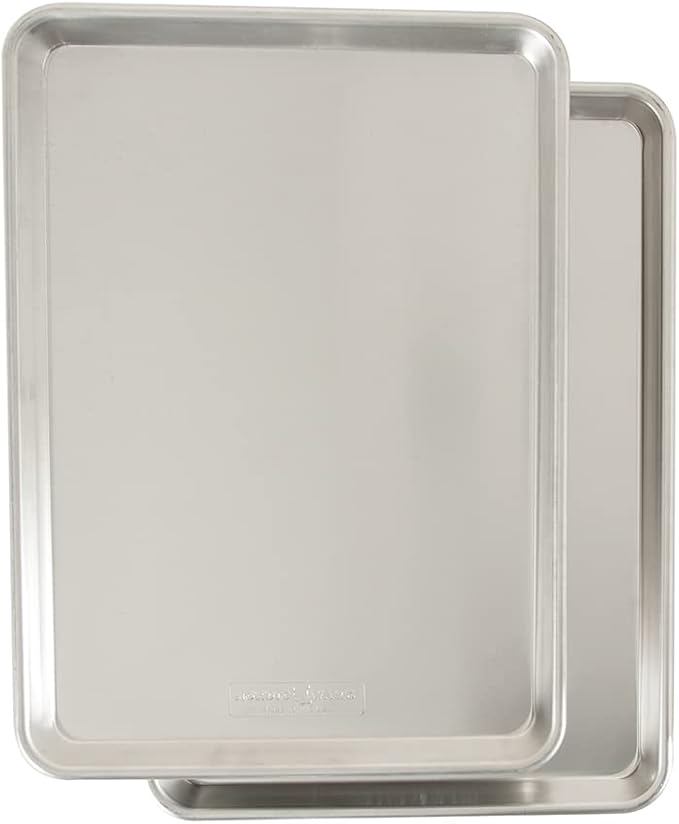
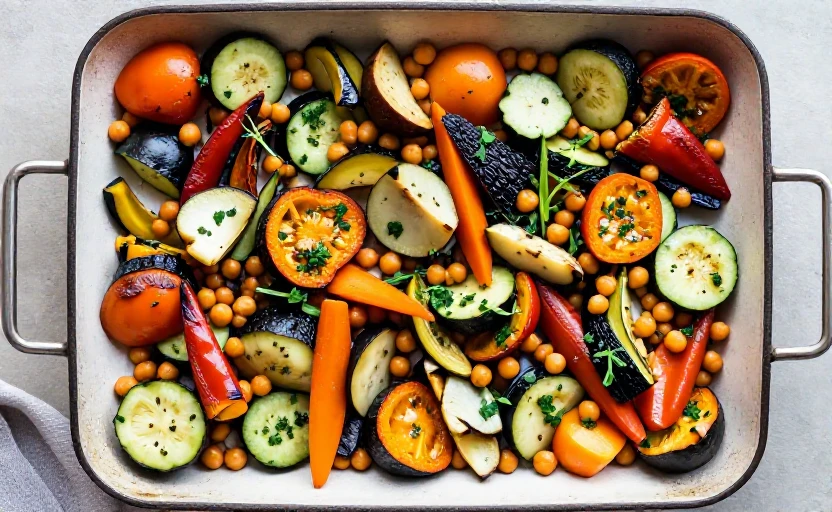
This is arguably the most forgiving and hands-off technique for a spectacular vegetarian dinner. The principle is simple: toss chopped, sturdy vegetables and protein sources like chickpeas or tofu in a bit of oil and seasoning, spread them on a single sheet pan, and let the oven do the work. The high, dry heat caramelizes natural sugars, creating deep, rich flavors while you attend to other things.
The goal is uniform pieces for even cooking—aim for a 1-inch dice or chop.
Start with a base of onions and root vegetables like potatoes, sweet potatoes, or carrots, which take longer to cook. Add quicker-cooking veggies like broccoli florets, bell peppers, or zucchini halfway through. For a complete meal, include a can of drained chickpeas or cubed extra-firm tofu in the last 15-20 minutes to crisp up. Drizzle everything with a simple sauce—a mix of olive oil, lemon juice, garlic, and herbs works beautifully—before serving over a pre-cooked grain like quinoa or farro.
2. Building Flavor with Strategic Batch Cooking
“Batch cooking” often conjures images of spending your entire Sunday in the kitchen. It doesn’t have to. Instead, think of it as preparing key components that multiply your options throughout the week. The focus here is on elements that keep well and form the backbone of countless dishes.
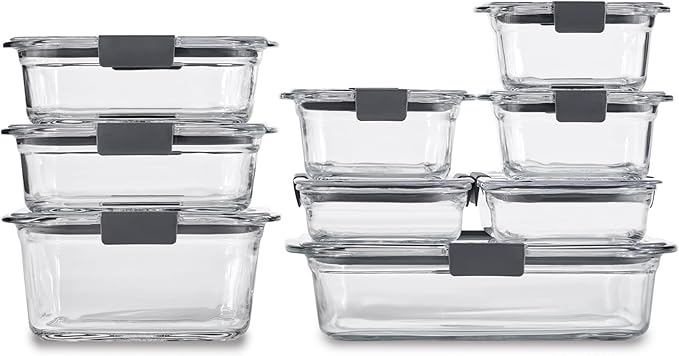
- A Universal Grain: Cook a large pot of a versatile grain like brown rice, quinoa, or millet. Once cooled, store it in the fridge for up to five days. It’s ready to become a bowl base, a stir-fry addition, or a filling for stuffed peppers.
- A Flavorful Base: Sauté a big batch of aromatics—onions, garlic, celery, and carrots—until soft and fragrant. Divide and freeze portions in ice cube trays or small containers. This “sofrito” or mirepoix is your instant flavor starter for soups, stews, sauces, and bean dishes, saving you 10-15 minutes of prep every time you cook.
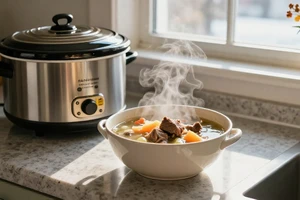
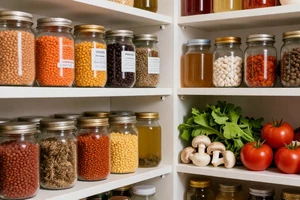
- A Protein-Packed Legume: If you have an instant pot or slow cooker, cooking a batch of beans from dry is incredibly economical and hands-off. Otherwise, keep a few cans of different beans (black, kidney, cannellini) and lentils on hand. Rinsed and ready, they add heft and nutrition to any meal in seconds.
With these three components prepped, a “from-scratch” dinner can literally be a matter of assembly and a quick reheat.
3. The Art of the Quick-Simmer Sauce
You don’t need to simmer a sauce for hours to achieve depth. A quick-simmer sauce leverages concentrated ingredients and a short cooking time to develop big flavor fast. This technique is perfect for transforming simple vegetables and pasta or grains.
Begin by sautéing garlic and perhaps some chili flakes in olive oil until fragrant—just 30 seconds to a minute. Then, add a can of crushed tomatoes or passata, a pinch of salt, and a splash of water. Let it bubble gently for 10-15 minutes. In that short time, the sauce reduces slightly and the flavors meld. In the last few minutes, stir in a handful of spinach or kale to wilt, or a can of white beans to warm through. Toss with cooked pasta, spoon over polenta, or use it as a base for poached eggs.
The key is to let the sauce simmer uncovered, which allows it to thicken and intensify quickly.
This same principle applies to non-tomato bases. A coconut milk curry sauce, for instance, comes together in about the same time with curry paste, coconut milk, and vegetables simmered until just tender.
Putting It All Together: A Sample Weeknight Flow
Imagine a Wednesday. You’re home, tired. Instead of staring blankly into the fridge, you have a plan grounded in these techniques.
You turn on the oven for a one-pan roast, chopping some sweet potato and broccoli you washed earlier in the week. While they roast, you pull a container of pre-cooked quinoa from the fridge and a portion of frozen sautéed aromatics from the freezer. You simmer the aromatics in a saucepan with a can of tomatoes for a quick sauce. In 30 minutes, you have a plate of roasted vegetables over quinoa, topped with a vibrant, homemade tomato sauce. Only one sheet pan and one pot to wash. The meal felt effortless because the techniques did the heavy lifting.
Making It Your Own
The true beauty of these methods is their flexibility. The one-pan roast changes with the seasons. Your batch-cooked components rotate based on what you love. The quick-simmer sauce adapts to your spice preferences. They are not rigid recipes but frameworks for consistency and ease. Start by trying one technique this week. Notice the time it saves and the stress it alleviates. Over time, these approaches will become second nature, turning the goal of an effortless vegetarian dinner from an aspiration into your regular routine.