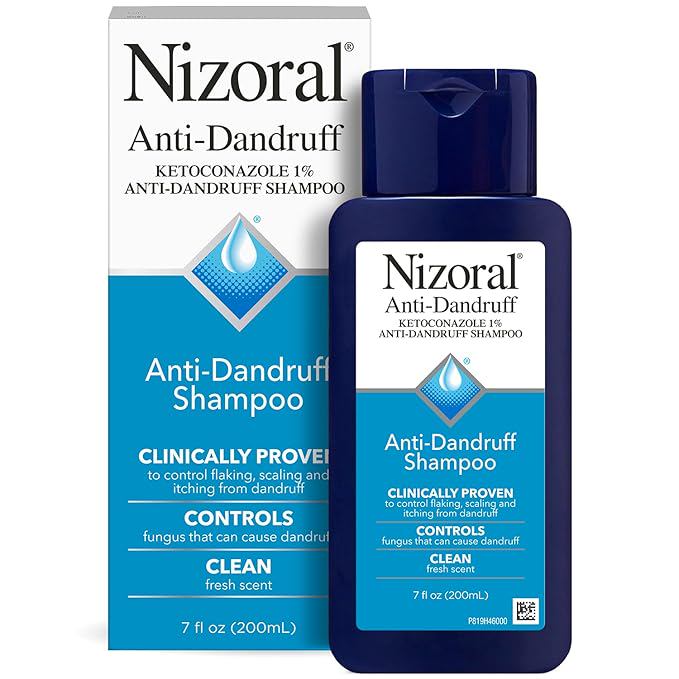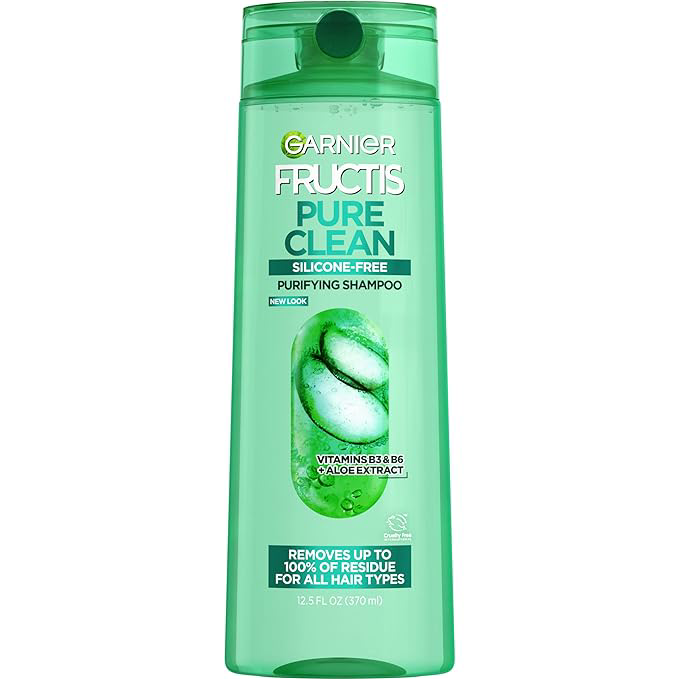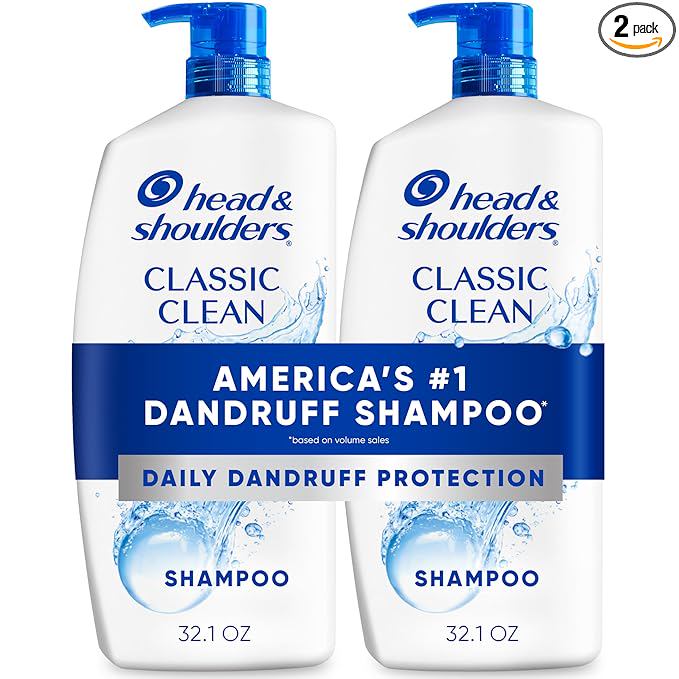

It happens to almost everyone who uses styling products regularly: a feeling that your scalp is congested, your hair looks dull, or even that the area feels itchy or tender. The tricky part is that those same sensations can also signal a genuine scalp-health problem like seborrheic dermatitis, psoriasis, or a fungal overgrowth. Understanding the difference matters because the fix for one — usually a deep-cleansing shampoo — can make the other worse if you choose the wrong treatment.
Below are three distinct symptoms that can help you decide whether your scalp is primarily dealing with leftover product residue or whether there is an underlying skin condition that deserves a different approach. As always, this is educational information, not a substitute for a diagnosis from a dermatologist or trichologist.
1. How the texture of the residue feels
One of the clearest clues is the feel of whatever you notice on your scalp or in your hair. Product buildup tends to have a waxy, greasy, or almost sticky texture. If you run your fingers through your roots and feel a film that seems to coat individual strands, that is a strong sign that gels, creams, dry shampoo, or heavy conditioners have accumulated over time. This residue often flakes off in small, yellowish or white pieces that might crumble easily when touched.
A scalp health issue, by contrast, usually produces flakes that are either very fine and powdery (as in a dry scalp) or larger, oily, and yellow-tinged (common with seborrheic dermatitis). The skin underneath may feel inflamed, raw, or bumpy. If the flakes are stuck to the scalp or to the hair shaft near the root and the skin feels sore or red, you are more likely dealing with a condition like psoriasis or eczema rather than simple product buildup.
A quick test: After a thorough wash with a clarifying shampoo, if the residue disappears completely and your scalp feels normal, buildup was the likely culprit. If symptoms persist, a scalp health issue may be at play.
2. The location and pattern of flaking or irritation
Another helpful distinction is where the symptoms appear. Product buildup is usually most noticeable in the areas where you apply the most product — the crown, the top of the head, or the hairline around your face and ears. It often feels evenly distributed, like a thin layer coating the entire scalp surface. You might not have any redness or soreness, just a sense that your hair looks dull or feels heavy.
Scalp health issues, on the other hand, tend to follow more specific patterns. Seborrheic dermatitis often appears in the oiliest parts of the scalp, such as the hairline, behind the ears, and along the crown — but it also frequently affects the eyebrows, sides of the nose, and chest. Psoriasis plaques are typically thicker, silvery, and occur in well-defined patches that may be isolated to one side of the head or concentrated in one area. If you notice irritation that extends beyond your scalp onto your face or neck, that points toward a systemic skin condition rather than a buildup problem.
3. The response to washing and products
How your scalp reacts to a wash cycle can also reveal the root cause. With product buildup, a good clarifying wash — using a sulfate-based shampoo or a specialized buildup-removing formula — will often provide immediate relief. Your scalp feels cleaner, your hair has more volume, and the itching or greasiness subsides for several days. The symptoms worsen gradually as you add more product without fully cleansing.
If you have a scalp health issue like dermatitis or a fungal infection, the opposite may happen. Aggressive washing, especially with harsh surfactants, can strip the protective barrier and worsen inflammation. The scalp may feel tight, tingly, or more itchy immediately after washing. You might also notice that over-the-counter dandruff shampoos containing ketoconazole, salicylic acid, or zinc pyrithione provide only temporary or partial relief. If your scalp improves briefly but then quickly flares again — or if it never fully clears up — that is a strong indicator that a medical-grade treatment may be needed.
Ultimately, the best way to distinguish between product buildup and a scalp health issue is to pay close attention to your hair care routine and your symptoms over a week or two. Try a reset: use a gentle clarifying shampoo once or twice, skip heavy styling products for a few days, and see how your scalp responds. If symptoms persist despite a clean slate, it is worth consulting a dermatologist. They can examine your scalp with a dermatoscope and recommend treatments that are specific to your condition, rather than guessing which products might help.