You know the feeling. The alarm blares, and before your eyes are even open, your mind is already racing through the day’s to-do list. That heavy, anxious feeling settles in your chest before your feet hit the floor. We often blame our packed schedules, demanding jobs, or personal responsibilities for this daily strain. But what if the root of your mounting stress isn’t just what happens during your waking hours, but what’s happening—or failing to happen—while you sleep?
Sleep and stress exist in a vicious, self-perpetuating cycle. Stress disrupts sleep, and poor sleep, in turn, dramatically lowers your threshold for stress. It’s a feedback loop that can leave you feeling perpetually on edge. The most telling signs aren’t always loud insomnia or obvious exhaustion. Often, the warning signals are quieter, woven into the fabric of your day in ways you might not immediately connect to your pillow.
You’re reaching for caffeine earlier and more often
It starts innocently enough. The morning cup of coffee feels less like a pleasant ritual and more like a medical necessity. Then, you find yourself eyeing the clock for that 3 p.m. latte, not for enjoyment, but as a lifeline to simply make it through the afternoon. This isn’t about savoring a good brew; it’s about using a stimulant as a crutch to prop up a brain and body running on empty.
When sleep is insufficient or poor quality, your body’s systems for regulating energy and alertness are thrown off. Adenosine, a chemical that builds up in your brain throughout the day to promote sleepiness, isn’t fully cleared during a bad night’s rest. You wake up with a residual “sleep load,” feeling groggy and slow. Caffeine works by blocking adenosine receptors, providing a temporary, artificial sense of wakefulness.
If your first thought upon waking is “I need coffee to function,” your sleep is likely not doing its job.
The subtle sign here is dependency. Neaving that external stimulant to jump-start your system and then again to avoid an afternoon crash is a strong indicator that your internal energy-regulation system—fundamentally governed by sleep—is struggling. You’re not fueling alertness; you’re masking fatigue, which keeps the underlying stress cycle spinning.
Minor frustrations feel like major crises
Your coworker’s noisy typing sounds like a jackhammer. A slow internet connection sparks disproportionate rage. A spilled coffee feels like a personal catastrophe. If you find your emotional reactions are consistently bigger than the events that trigger them, look to your sleep history.
Sleep, particularly deep sleep and REM sleep, is crucial for emotional processing and regulation. During these stages, your brain works through the day’s emotional experiences, helping to temper the amygdala—the brain’s fear and alarm center. With good sleep, the prefrontal cortex, which governs rational thought and impulse control, can effectively manage the amygdala’s responses.
Without it, this balance is disrupted. The amygdala becomes hyper-reactive, while the prefrontal cortex is underpowered. The result is a state of emotional dysregulation where you’re primed for a stress response. Small setbacks are perceived as threats, your patience evaporates, and your capacity to handle daily hiccups with grace diminishes. You’re not overreacting because you’re a “stressful person”; you’re reacting from a brain chemically and neurologically set up for high alert due to sleep deprivation.
You can’t quiet your mind at night, but you’re “too tired” to focus during the day
This is the paradox of sleep-related stress. At night, when your head hits the pillow, your mind decides it’s the perfect time to replay every awkward conversation from the last decade, worry about future deadlines, and create elaborate to-do lists. Yet, during the day, when you need to concentrate on a work project or follow a simple recipe, your thoughts feel fuzzy, slow, and scattered.
This mental tug-of-war is a classic symptom. The fatigue from poor sleep manifests as cognitive weariness—an inability to sustain attention, make decisions, or think creatively. You might stare at a computer screen for long periods without accomplishing anything, which in itself becomes a source of stress and anxiety.
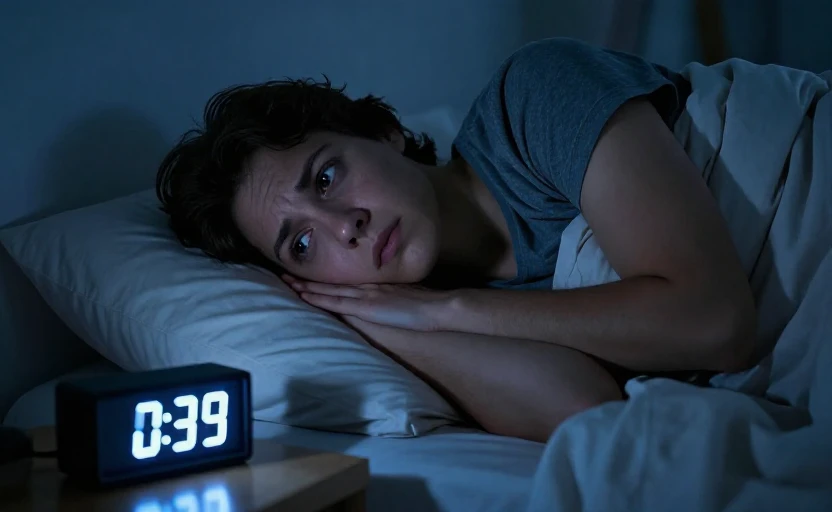
Meanwhile, the underlying stress and anxiety from the day, which you couldn’t process effectively due to that same cognitive fatigue, now run rampant at bedtime. The quiet and lack of distraction create a vacuum that your anxious thoughts rush to fill. It’s not that you’re not tired; you’re exhausted. But your nervous system is stuck in a state of “tired but wired,” where your body is depleted but your brain is stuck in a high-alert loop, preventing the calm transition into restorative sleep. This creates the frustrating cycle of being too mentally frazzled to sleep and too sleep-deprived to think clearly.
Recognizing these subtle signs is the first step toward breaking the cycle. The connection isn’t always obvious because we’re conditioned to blame external pressures. But by looking at your caffeine dependency, your emotional reactivity, and your mental state as potential sleep reports, you can start to address the root cause. Improving sleep hygiene—through consistent routines, a dark and cool sleep environment, and mindful wind-down practices—isn’t just about getting more rest. It’s about building a fundamental defense against the grinding stress of everyday life.