When a breakout subsides, the skin left behind often feels tender, inflamed, and vulnerable. While topical treatments play a crucial role, what you put inside your body can be just as important for supporting the skin's recovery process. Certain foods offer nutrients that help calm inflammation, support tissue repair, and restore a healthy skin barrier, creating a more resilient foundation for your complexion.
Think of it as nourishing your skin from the ground up. After the storm of a flare-up, these foods can provide the building blocks your skin needs to heal and find its balance again.
What should you look for in post-breakout foods?
The goal isn't to find a magical "cure" in your kitchen, but to choose foods that actively support the healing processes your skin is already trying to undertake. After acne inflammation, your skin is working hard to repair itself. The right nutrients can make that job easier and more efficient.
Focus on foods rich in specific compounds: antioxidants to combat residual oxidative stress, zinc for its role in wound healing and regulating oil production, omega-3 fatty acids to dial down systemic inflammation, and vitamins that aid in collagen synthesis and cell turnover. It’s about providing a supportive environment for your skin to do its best work.
Healing skin needs building blocks, not a miracle. Choose foods that supply the specific nutrients repair requires.
Three supportive choices for your plate
Here are three accessible, nutrient-dense food categories that can be wonderfully soothing additions to your diet when your skin is in recovery mode.
Fatty fish like salmon and sardines
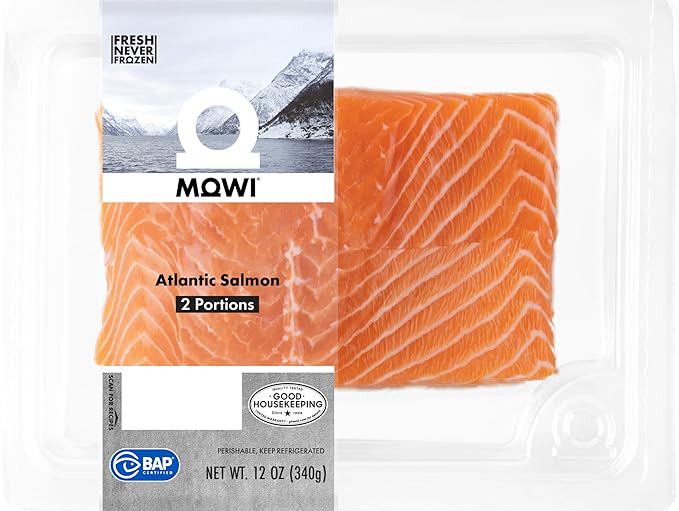
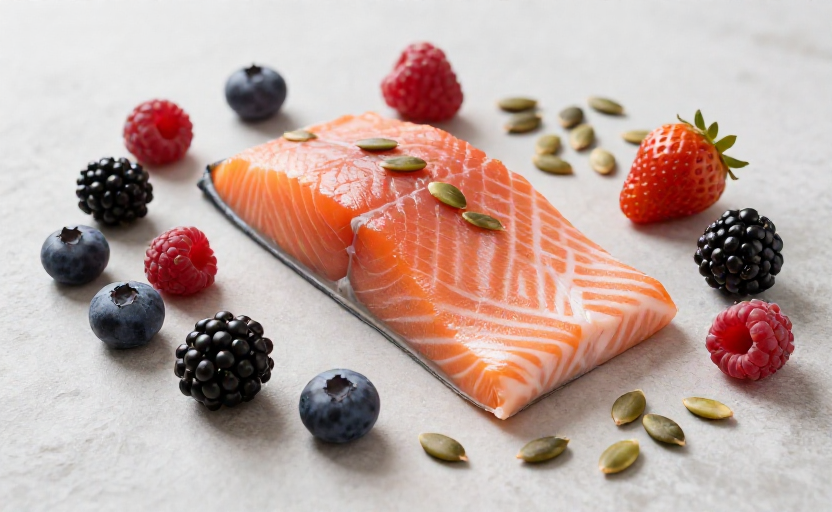
Fish such as wild-caught salmon, mackerel, and sardines are excellent sources of EPA and DHA, the long-chain omega-3 fatty acids renowned for their potent anti-inflammatory effects. Acne is, at its root, an inflammatory condition. By helping to quiet the body's inflammatory response, omega-3s can create a more settled internal environment conducive to healing.
These fats also contribute to a healthy skin cell membrane, which is essential for a strong, functioning skin barrier. A robust barrier is better at keeping moisture in and potential irritants out, which is precisely what sensitized, post-flare skin needs. Aim for two servings a week.
Brightly colored berries and cherries
Reaching for a handful of blueberries, raspberries, blackberries, or tart cherries is a delicious way to give your skin a boost of antioxidants. These fruits are packed with vitamin C and various polyphenols like anthocyanins, which give them their vibrant hues.
Vitamin C is a co-factor for collagen production, a key protein that gives skin its structure and aids in repairing damaged tissue. The antioxidants, meanwhile, help neutralize free radicals generated during the inflammatory process, protecting new, healing skin cells from further damage. They're nature's way of helping to calm and protect.
Pumpkin seeds and legumes
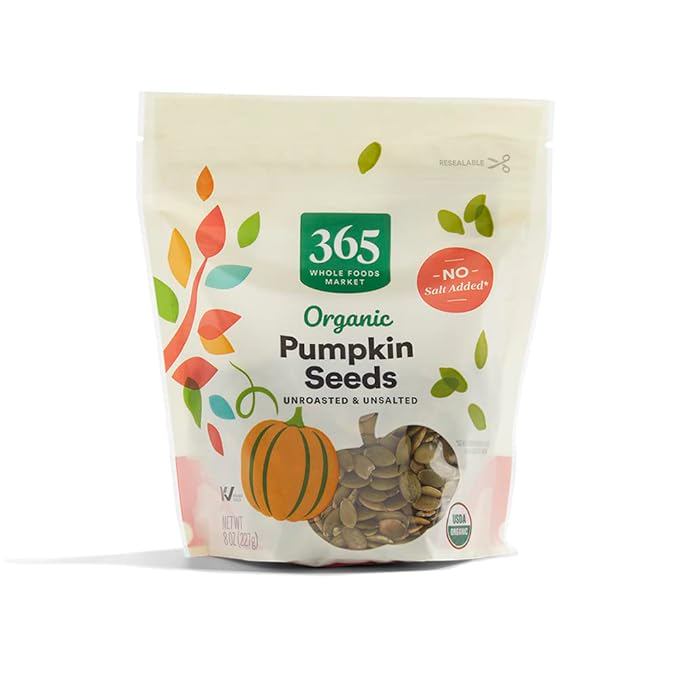
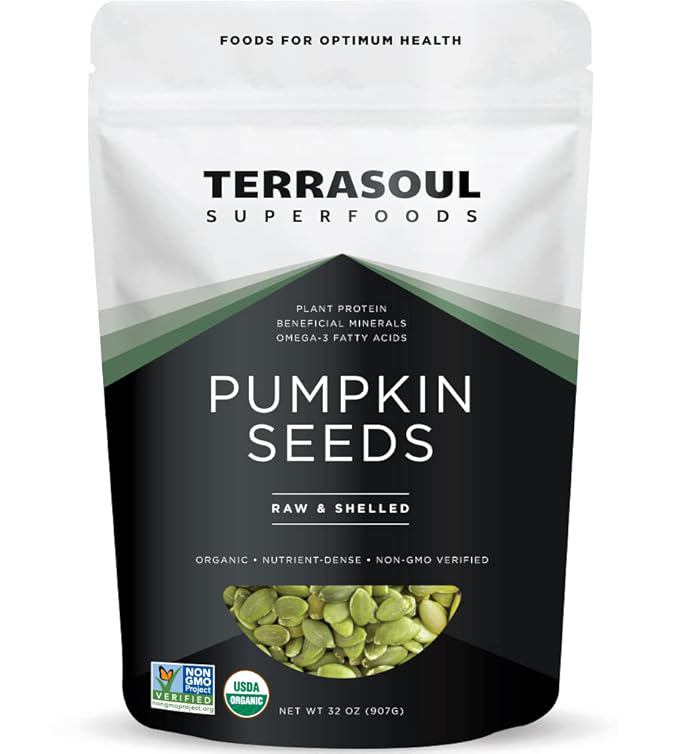
Don't underestimate the power of these humble pantry staples. Pumpkin seeds are a standout source of zinc, a mineral critically involved in skin repair, wound healing, and regulating sebum production. Many people with acne have been found to have lower levels of zinc.
Legumes—like lentils, chickpeas, and black beans—offer a dual benefit. They provide plant-based protein necessary for tissue repair, and they are typically high in fiber. A healthy gut microbiome, supported by adequate fiber, is increasingly linked to balanced inflammation throughout the body, which includes the skin. A simple sprinkle of seeds on a salad or a bowl of lentil soup can be a meaningful step toward skin support.
How to incorporate them thoughtfully
You don't need to overhaul your diet overnight. Start by considering where you can add, not just restrict. Could you add a serving of berries to your breakfast or as an afternoon snack? Might you swap a meal for one centered on salmon or lentils? The idea is consistent inclusion, not perfection.
It's also wise to pay attention to how your skin feels. While these foods are generally supportive, individual responses can vary. Keep a simple mental note of what you eat and how your skin's texture and redness respond in the following days. This mindful approach helps you identify what truly works for your unique body.
Finally, remember that hydration is a foundational partner to nutritious food. Drinking enough water supports every metabolic process, including the transport of these healing nutrients to your skin cells and the flushing of metabolic byproducts. Pair your nutrient-rich meals with plenty of water or herbal teas.
A note on patience and perspective
Food is not a spot treatment. Its effects are systemic and cumulative, working in harmony with your skincare routine and overall lifestyle. You likely won't see a dramatic change overnight, but over weeks, consistently nourishing your body with these anti-inflammatory, nutrient-rich foods can help your skin heal more effectively from flare-ups and potentially become more resilient over time.
View this as a gentle, supportive practice—a way to care for your skin from the inside out while it recovers its calm.