Menopause marks a significant hormonal shift, and your skin often reflects those internal changes before you notice other symptoms. Estrogen plays a central role in maintaining collagen, oil production, and moisture balance. When levels drop, the skin can respond in distinct ways. While not every change signals a problem, three specific skin changes are worth paying attention to because they may indicate low estrogen.
What happens to skin when estrogen drops?
Estrogen receptors are present throughout the skin. When estrogen declines, the skin's ability to retain water, produce collagen, and repair itself slows down. The result is often a set of noticeable changes that, when they appear together, can be a helpful clue for women navigating perimenopause or menopause. Below are three skin changes that frequently point to low estrogen.
1. Sudden dryness and thinning
If your skin has always been normal or oily and suddenly feels dry, tight, or papery, low estrogen may be the cause. Estrogen helps maintain the skin's moisture barrier by stimulating natural oil (sebum) production. Without enough estrogen, the barrier becomes less effective, leading to transepidermal water loss. The skin may look dull, feel rough, and show fine lines more prominently. This type of dryness is often different from seasonal dry skin—it persists despite moisturizing and may be accompanied by itching or flaking on the face, arms, or legs.
Thinning skin that bruises more easily is another hallmark. With less collagen and elastin, the dermis becomes thinner, making blood vessels more visible and the skin more vulnerable to damage.
2. Increased sagging and loss of firmness
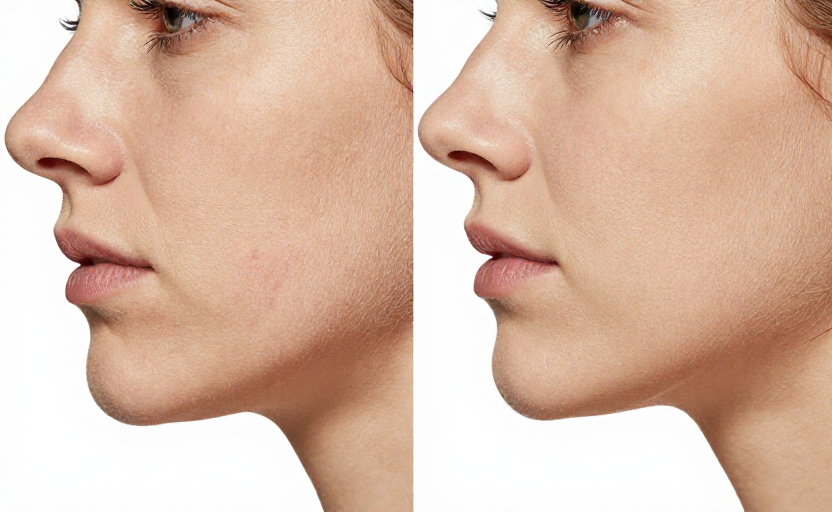
Collagen production declines rapidly in the years around menopause—some estimates suggest up to 30% loss in the first five years. Estrogen directly influences collagen synthesis. When levels are low, skin loses structural support. You may notice jowls forming along the jawline, looser skin under the chin, or deeper nasolabial folds. The skin on the arms and thighs can also feel less firm. While some sagging is a normal part of aging, an accelerated or sudden change is a strong signal that estrogen levels have dropped significantly.
3. Breakouts or changes in skin texture
It may seem contradictory, but low estrogen can trigger acne in women who had clear skin for decades. When estrogen declines relative to androgens like testosterone, the sebaceous glands can produce thicker, more clogging sebum. This leads to breakouts along the chin, jawline, and lower cheeks. At the same time, the skin's surface may feel bumpy or uneven because cell turnover slows down. These changes in texture—simultaneously oily in some spots and dry in others—can be confusing but are very common during perimenopause and menopause.
When should you consider checking your estrogen levels?
Skin changes alone are rarely enough to diagnose low estrogen, but they are worth discussing with a healthcare provider—especially if they appear alongside other symptoms such as hot flashes, night sweats, vaginal dryness, or sleep disturbances. A blood test or saliva test can measure hormone levels, but timing and interpretation matter because hormones fluctuate. Many providers consider skin changes as part of a broader clinical picture rather than a standalone diagnostic sign.
What can you do to support your skin during menopause?
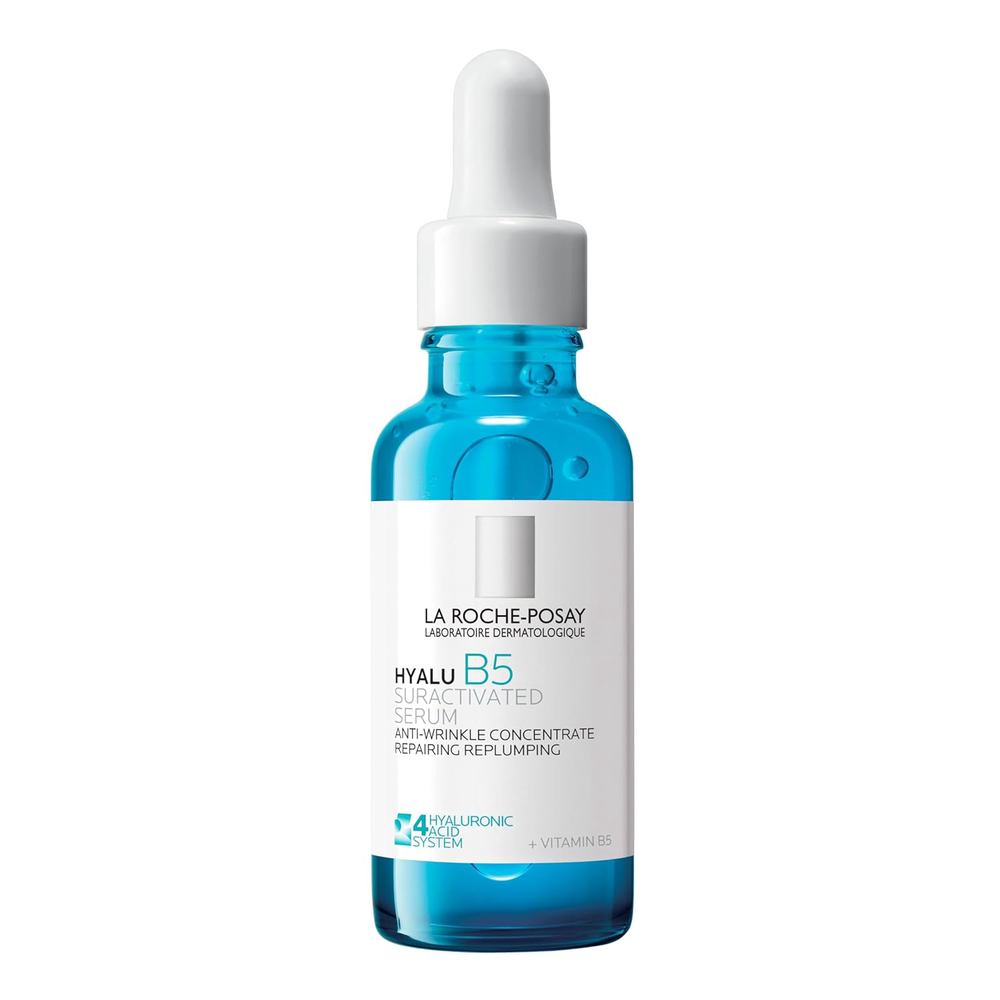
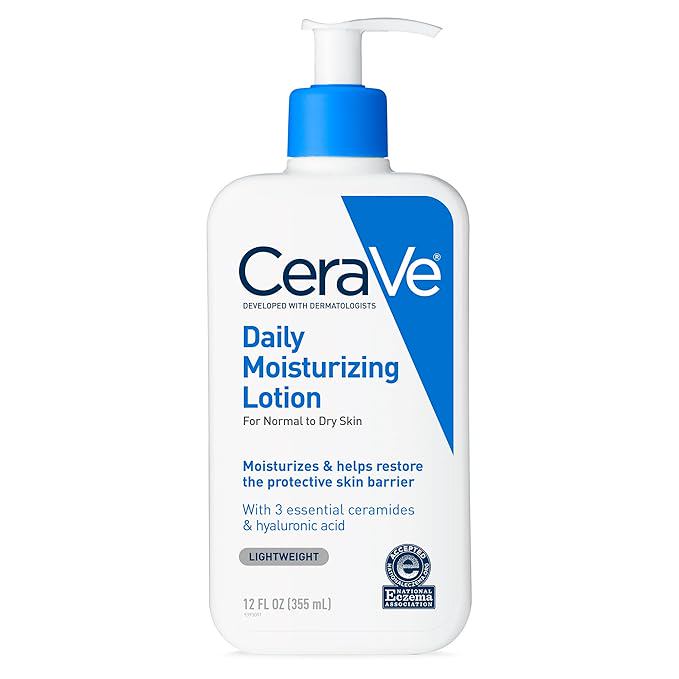
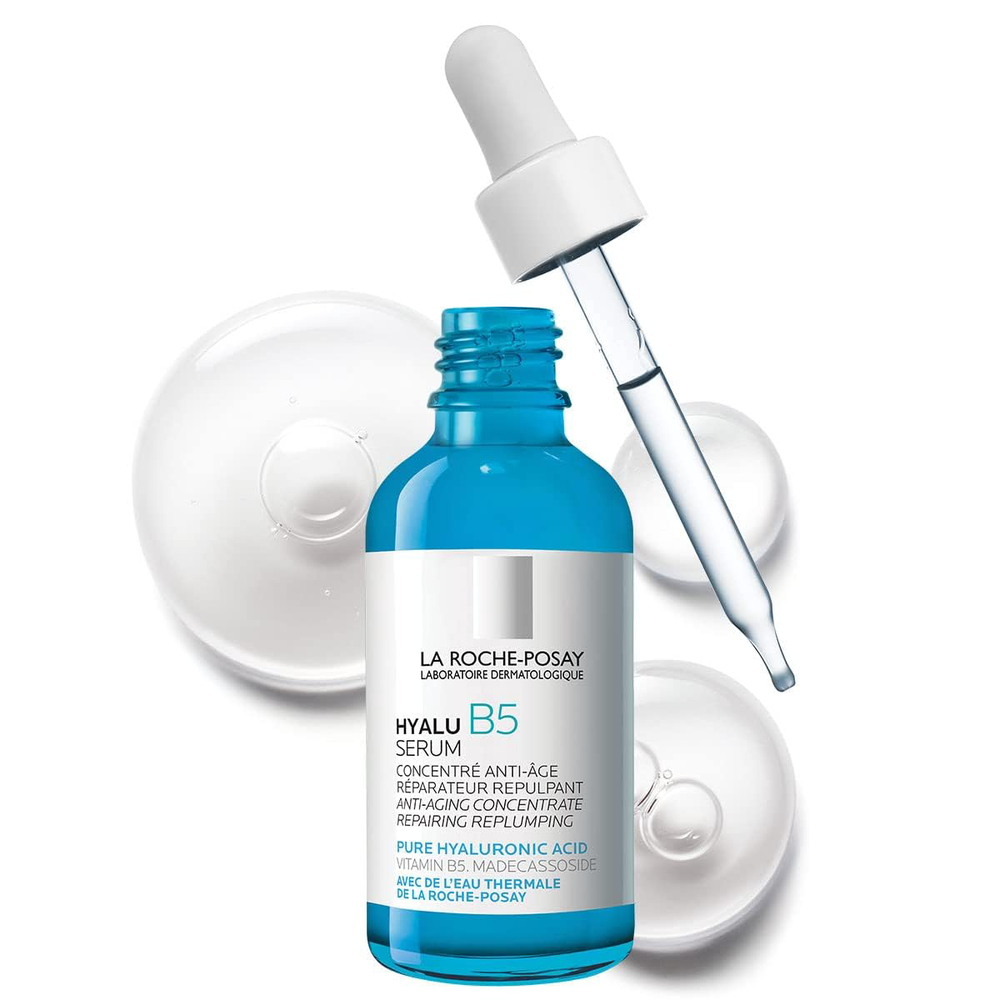
Supporting skin health during this transition involves gentle care and targeted nutrition. Using a fragrance-free, ceramide-rich moisturizer can help restore the barrier. Adding a hydrating serum with hyaluronic acid provides surface moisture. Sunscreen becomes even more critical because thinner skin has less natural protection. Some women find that increasing protein intake supports collagen synthesis, while omega-3 fatty acids from foods like salmon, walnuts, and flaxseed may help reduce inflammation. If low estrogen is confirmed, your doctor may discuss options such as hormone therapy or topical estrogen creams prescribed specifically for skin changes.
Paying attention to your skin's signals can give you valuable insight into your hormonal health. If you notice one or more of these three changes, it may be time to have a conversation with your healthcare provider.