
Adopting a vegetarian meal plan is a powerful choice for your health and the planet. But even with the best intentions, it’s possible to miss certain nutrients that are less abundant or less bioavailable in plant-based foods. Your body often sends subtle signals when something is off. Learning to recognize these signs can help you adjust your diet thoughtfully, ensuring you thrive on a vegetarian path.
It’s not about counting every milligram, but about cultivating awareness. A well-planned vegetarian diet is rich and complete. The goal is to move from simply avoiding meat to proactively nourishing your body with everything it needs.
Persistent Fatigue That Sleep Doesn't Fix
Everyone feels tired sometimes. But if you’re consistently dragging through the day despite adequate sleep, your diet might be whispering a clue. While low energy can have many causes, two nutrient shortfalls common in vegetarian diets are prime suspects: iron and vitamin B12.
Iron is crucial for carrying oxygen in your blood. Plant-based (non-heme) iron is found in lentils, spinach, and fortified cereals, but it’s not absorbed as easily as the iron from meat. Vitamin B12, essential for nerve function and energy production, is naturally found only in animal products. A deficiency in either can leave you feeling profoundly drained.
Fatigue related to nutrition often feels like a deep, persistent weariness, not just an afternoon slump.
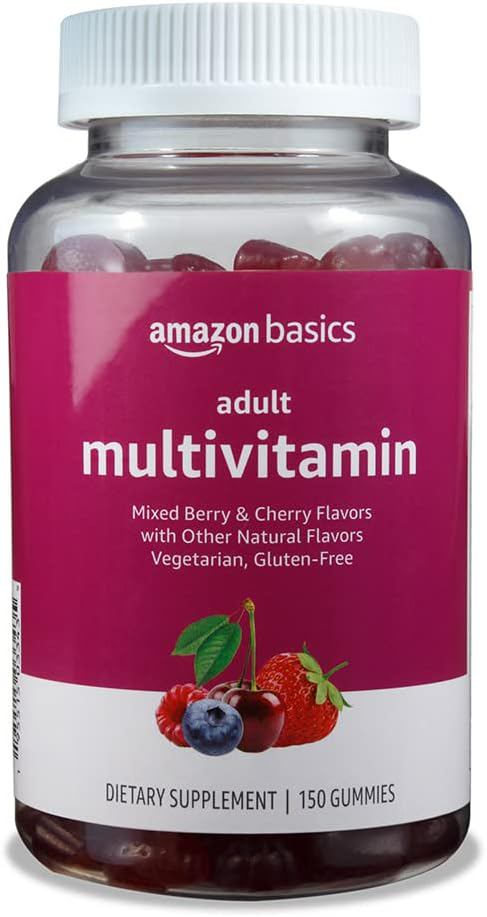
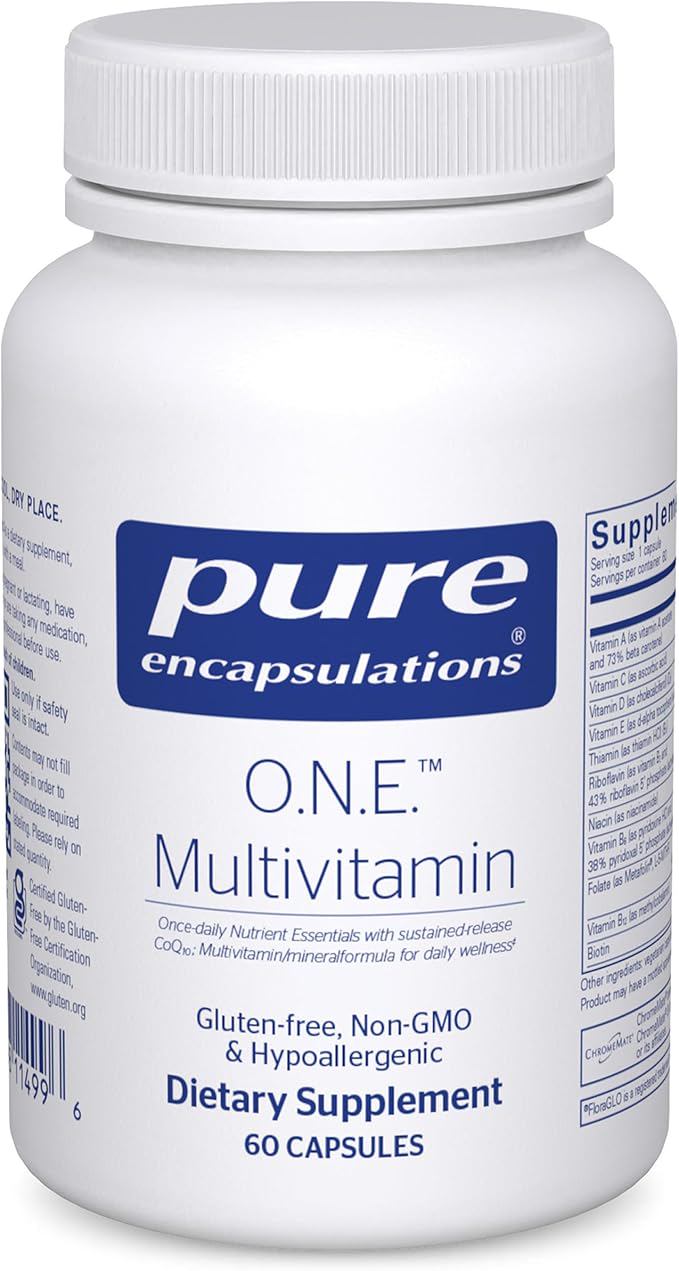
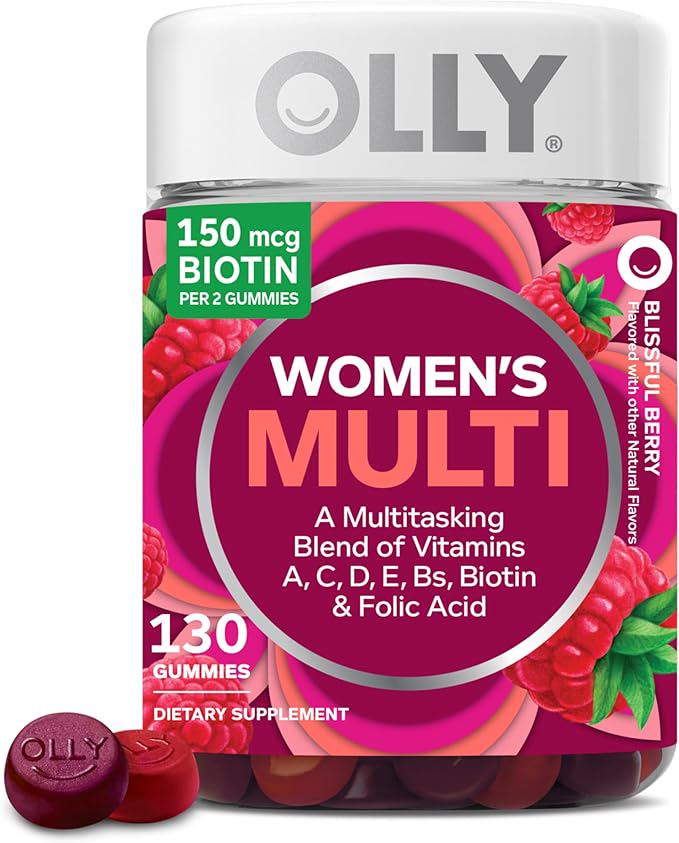
If this resonates, look at your plate. Are you including daily sources of plant-based iron? Pairing them with vitamin C-rich foods (like bell peppers or citrus) can significantly boost absorption. For B12, the conversation is straightforward: consistent intake from fortified foods like nutritional yeast, plant milks, and cereals, or a supplement, is typically necessary for vegetarians.
Unusual Hair Loss or Brittle Nails
Your hair and nails are often the first to reflect internal nutritional shifts. While some shedding is normal, noticing more hair in your brush or thinner ponytails, coupled with nails that chip and break easily, can point to a protein or zinc deficiency.
Protein is the building block for keratin, the substance that makes up hair and nails. Vegetarian diets can be rich in protein, but it requires a bit more intention to ensure you’re getting all the essential amino acids throughout the day. Zinc, vital for cell growth and repair, is found in plant foods like legumes, nuts, and seeds, but its absorption can be inhibited by compounds called phytates present in those same foods.
This doesn’t mean you need to start piling on protein powders. Instead, focus on variety and combination:
- Pair grains with legumes (like rice and beans or whole wheat bread with hummus).
- Include a diverse array of nuts, seeds, and soy products like tofu and tempeh.
- Soaking or sprouting beans, lentils, and nuts can help improve zinc absorption.
Frequent Colds or Slow Healing
If you seem to catch every bug that goes around, or a small cut takes weeks to fully heal, your immune system might be asking for support. Two key players for immune function are zinc, which we’ve touched on, and vitamin D.
Vitamin D, often called the sunshine vitamin, is tricky for everyone, vegetarians included. While we can synthesize it from sun exposure, modern lifestyles often limit this. Few plant foods contain it naturally (some mushrooms exposed to UV light are an exception), and many fortified sources, like cow’s milk, are not part of a vegetarian diet.
A resilient immune system is built on a foundation of overall good nutrition. Beyond specific nutrients, ask yourself if your diet is rich in color and variety—the antioxidants and phytonutrients in colorful fruits and vegetables are fundamental allies for your immune cells.
Noticing one of these signs doesn’t mean your vegetarian journey is flawed. It’s simply feedback. The beauty of a plant-based diet is its incredible flexibility and capacity for abundance. Use these signals as a prompt to explore, learn, and add more wonderful, nourishing foods to your plate. When in doubt, or if symptoms concern you, a conversation with a registered dietitian or doctor can provide personalized guidance to ensure your meal plan is as vibrant and healthy as you are.