You spent a Sunday afternoon chopping, sautéing, and simmering a big pot of soup, looking forward to easy lunches all week. But by Wednesday, that same soup tastes flat, watery, or just… off. You're not imagining it. Meal-prepped soup really can lose its flavor over a few days, and a few common culprits are usually to blame. The good news is that each problem has a simple fix, so you can keep enjoying every last spoonful.
Sign #1: The broth tastes watery or diluted
This is the most common complaint. A soup that tasted rich and balanced on day one can taste thin by day three. The reason is usually that starchy ingredients like potatoes, noodles, or rice continue to absorb liquid as they sit. They soak up the seasoned broth, leaving less flavorful liquid behind. Meanwhile, vegetables release their own water, which further dilutes the overall taste.
How to fix it: Before you reheat, taste the soup cold. If it seems thin, stir in a small spoonful of concentrated bouillon paste or a splash of low-sodium soy sauce, fish sauce, or miso paste. Another trick is to simmer it uncovered for a few minutes to reduce the liquid slightly, concentrating the flavors. For future batches, store starchy ingredients separately and add them only when reheating a serving.
Sign #2: The herbs and spices have faded or turned bitter
Fresh herbs like parsley, cilantro, or basil lose their brightness quickly. Dried spices can also mellow out or, in some cases, become harsh as they continue to steep. This is especially true for potent spices like cloves, allspice, or certain curry powders, which can develop a bitter edge after a day or two in the fridge.
How to fix it: Add a fresh finish just before serving. Stir in a handful of chopped fresh herbs, a squeeze of lemon or lime juice, or a drizzle of extra-virgin olive oil. A small pinch of salt can also revive flat flavors. For future meal prep, hold off on adding delicate herbs entirely and stir them in after reheating. You can also experiment with adding spices in two stages: half during cooking and half just before the soup cools.
Sign #3: The texture has become mushy or separated
Nobody wants a bowl of mushy vegetables or greasy-looking broth. Over time, vegetables like zucchini, spinach, and broccoli break down and lose their structure. Cream-based or pureed soups may separate, leaving a layer of fat on top and a grainy texture below. This isn't spoiled soup — it's just texture breakdown from prolonged contact with heat, acid, and moisture.
How to fix it: If the soup has separated, whisk it vigorously while reheating to re-emulsify the fats. For creamy soups, a quick spin with an immersion blender often brings it back together. For chunky soups with mushy vegetables, try scooping out the softest pieces and blending them into the broth to create a thicker base, then add fresh steamed vegetables or quick-cooking greens like arugula or baby spinach right before eating. To prevent this in the future, undercook vegetables slightly when meal-prepping, and add delicate greens or pasta only to individual servings.
Simple storage tips that protect flavor
A few small changes to how you store your soup can make a big difference in how long it stays tasty:
- Cool it quickly. Let the soup cool to room temperature before refrigerating, but don't leave it out for more than two hours. A rapid cool-down preserves flavor and texture.
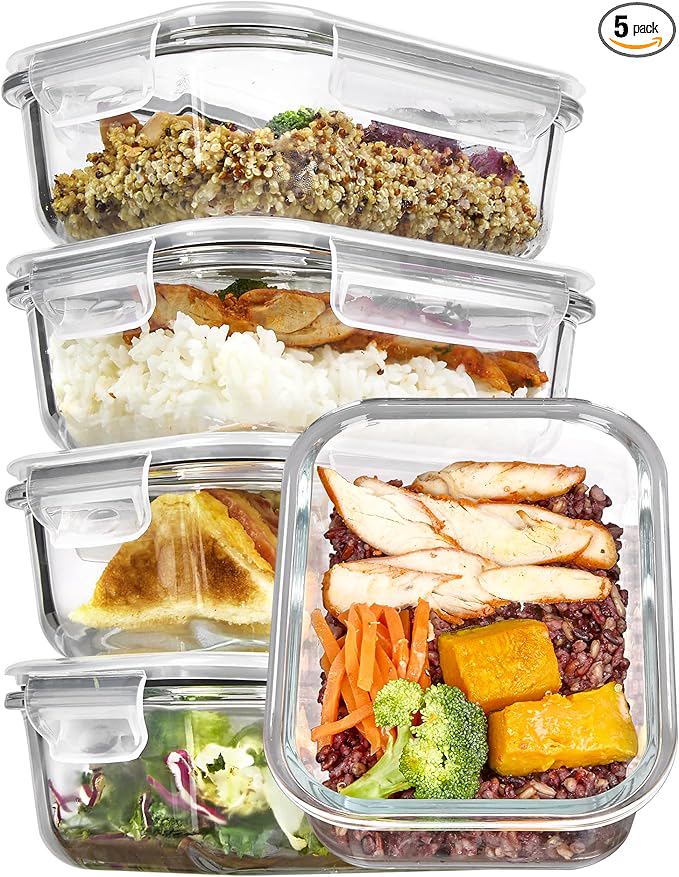
- Fill containers properly. Leave a little headspace in your container — soup expands as it cools and freezes. For the fridge, use airtight, portion-sized containers so you only reheat what you need.
- Store toppings separately. Keep cheese, croutons, fresh herbs, and even noodles in separate containers and add them after reheating. This keeps them from getting soggy or overwhelming the broth.
When to let go and start fresh
Most soups will keep well in the fridge for three to four days, and many freeze beautifully for two to three months. But if your soup has an off smell, a slimy texture, or visible mold on the surface, it's time to toss it. Trust your senses. When you notice the early signs of flavor loss — watery broth, faded herbs, or mushy texture — you often have a day or two to enjoy it with the fixes above. If it's past its prime, consider it a learning experience for your next batch.
Soup meal prep is meant to save you time and give you comforting lunches without effort. With these simple adjustments, you can keep that just-made flavor intact for days.


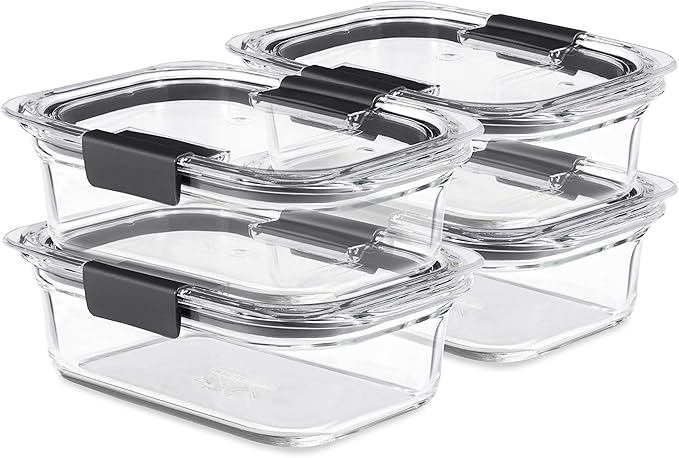

![[10-Pack] Glass Meal Prep Containers with Lids, MCIRCO Food Storage Containers with Snap Locking Lids, Airtight Lunch Containers, Microwave, Oven, Freezer and Dishwasher](https://www.glowtheorylab.com/uploads/ad202604/141a61456fdd8860.webp)