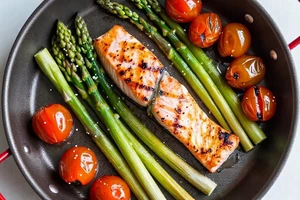
One-pan meals are a weeknight lifesaver. They cut down on dishes, get dinner on the table fast, and often combine protein, veggies, and carbs in one tidy dish. But there’s a catch: the way you prep, cook, and store that single pan can quietly strip away the vitamins, minerals, and antioxidants you were counting on.
If you’ve been wondering why your homemade meals don’t feel as energizing as they should—or why leftovers taste a little flat—the answer may not be your recipe. It could be how heat, light, and air are affecting your food. Here are three signs your meal-prepped one-pan dinner might be losing its nutritional edge, plus simple fixes to keep more goodness in every bite.
1. The veggies look faded or mushy
Bright green broccoli that turns olive drab, carrots that go limp, or zucchini that releases a puddle of water are signaling more than a texture problem. Those color changes often mean that heat-sensitive vitamins—especially vitamin C and many B vitamins—have broken down. When vegetables are cooked for too long or at too high a temperature, their cell walls rupture and nutrients leach into cooking liquid. If you’re discarding that liquid or letting it evaporate, those nutrients go with it.
What to do instead: Steam or roast vegetables just until tender-crisp. If you’re batch-cooking a one-pan dish, pull the pan from the oven a couple minutes early and let carryover heat finish the job. Try cutting vegetables into larger pieces so less surface area is exposed to heat.
2. The sauce separates or becomes watery
A creamy sauce that breaks into greasy liquid or a tomato-based sauce that turns watery is a sign that the emulsion or structure of your ingredients has degraded. But the bigger issue is what’s floating away in that liquid: water-soluble nutrients like potassium, magnesium, and folate are often lost when the natural water inside vegetables and proteins escapes during prolonged reheating or overcooking.
What to do instead: Store sauces separately from the rest of the meal if possible, or reduce the sauce before adding it to the pan so that it clings better. When reheating, use a gentle method—low heat on the stovetop or a low-power microwave cycle—to minimize moisture loss. If you do see liquid pooling, don’t pour it off; stir it back in to retain those dissolved nutrients.
3. The leftovers smell or taste “off” even though they’re not spoiled
Ever reheated a meal-prepped dish and noticed a stale or slightly metallic taste? That’s often a sign of nutrient oxidation. Healthy fats like those in olive oil, nuts, or avocado break down when exposed to oxygen and light over time, which can degrade vitamin E and omega-3s. Similarly, iron and other minerals can react with air, changing the flavor profile of your meal. While the food may still be safe to eat, it’s no longer delivering the same nutritional punch.
What to do instead: Store one-pan meals in airtight, opaque containers to limit light and oxygen exposure. For dishes with nuts or seeds, add those as a fresh topping just before serving rather than cooking them into the entire batch. If you’re using a sheet pan, transfer leftovers to a container after cooking—don’t leave them sitting on the pan, where metal can accelerate oxidation.
A few smart adjustments—shorter cook times, gentler reheating, smarter storage—can protect the nutrients you worked hard to include. Meal prepping doesn’t have to mean sacrificing quality. With these small changes, your one-pan dinner stays as nourishing as the day you made it.