You made a virtuous choice at lunch: a salad with grilled chicken, a lettuce wrap instead of bread, or maybe a cauliflower rice bowl. But now it's 3 PM and your stomach is growling. You're eyeing the snack drawer, counting the minutes until dinner. If this sounds familiar, your low-carb lunch might be missing a few key components that keep you satisfied until the evening meal.
Carb-cutting is a popular strategy for weight management and blood sugar control, but a lunch that's too low in certain nutrients can leave you hungry, irritable, and reaching for quick fixes. Here are three telltale signs that your low-carb lunch isn't doing its job, along with simple adjustments you can make to stay full and focused all afternoon.
You're Hungry an Hour or Two After Eating
Feeling hungry soon after lunch is the most obvious signal that something is off. If you ate a salad of mostly leafy greens with a lean protein like grilled chicken breast, you might notice your energy dipping and your stomach rumbling within 90 minutes. That's because many low-carb lunches are accidentally low in fat and fiber—two nutrients that slow digestion and signal fullness to your brain.
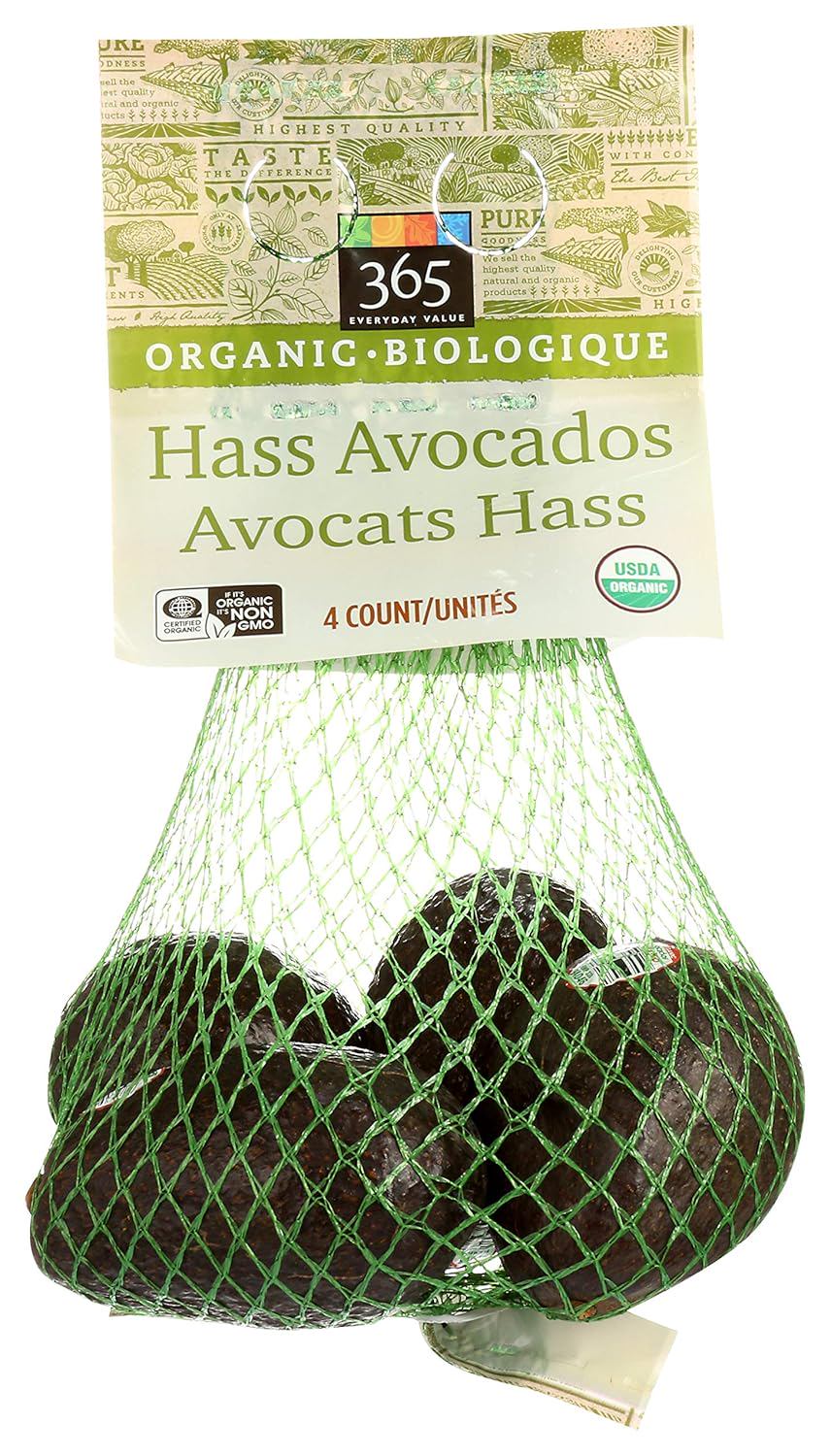
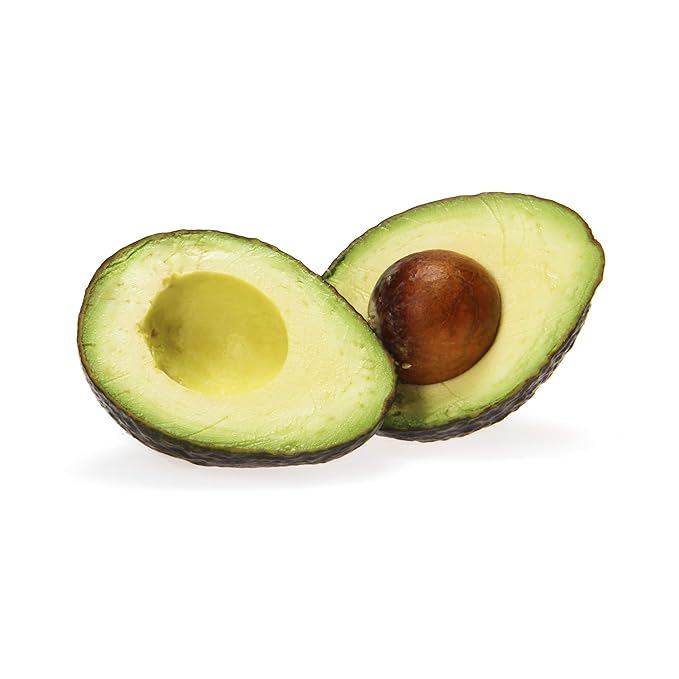
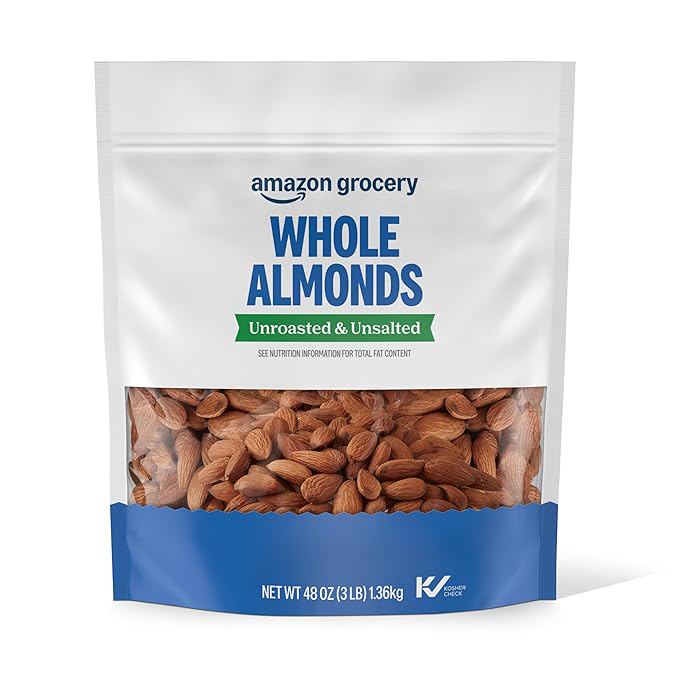
Fat is your friend here. A drizzle of olive oil, a few slices of avocado, or a sprinkle of nuts and seeds adds satiety without many carbs. Fiber comes from non-starchy vegetables like broccoli, bell peppers, and cucumbers. When both are present, food stays in your stomach longer, and your body has time to register that it's satisfied.
A quick fix: Add a tablespoon of healthy fat and an extra cup of low-carb vegetables to your lunch. This simple change can stretch fullness by hours.
You're Craving Sweets or Carbs by Mid-Afternoon
Another clear sign is an intense desire for something sugary or starchy—chocolate, cookies, chips, or bread—a couple of hours after eating lunch. This craving often stems from a blood sugar roller coaster. A low-carb meal that's protein-heavy but lacks fiber and fat can still cause a rapid rise and then a sharp drop in blood glucose, leaving you desperate for a quick energy source.
When your body senses low blood sugar, it sends out hunger signals that are particularly strong for carbohydrates, because they're the fastest way to raise glucose levels. If you're craving sweets or crunchy snacks, it's a signal that your lunch didn't provide enough slow-burning fuel. Balancing your plate with a moderate amount of healthy carbs—like beans, lentils, quinoa, or sweet potatoes—can stabilize blood sugar and prevent those afternoon cravings.
For low-carb dieters, don't fear the bean or lentil. A half-cup of cooked legumes adds protein, fiber, and slow-release energy that can keep you full for hours, all while still being lower in carbs than a sandwich or pasta.
You're Lethargic or Can't Focus in the Afternoon
Finally, if you're dragging by 2 or 3 PM and struggling to concentrate, your lunch might be too low in carbohydrates for your energy needs. Carbs are the brain's primary fuel source. When you cut them too drastically, your body shifts to burning fat for energy—a process that works for some people but can leave others feeling foggy and fatigued.
The key is not to add back empty carbs like white rice or bread, but to include nutrient-dense, high-fiber carbohydrates that provide steady energy. Roasted vegetables, lentils, beans, and even a small serving of whole grains like brown rice or quinoa can give your brain the glucose it needs without spiking blood sugar. A lunch that includes a mix of protein, fat, and complex carbohydrates is more likely to sustain both your energy and your cognitive function through the afternoon.
If you recognize any of these signs in yourself, start by making small tweaks rather than overhauling your entire diet. Add a dollop of full-fat yogurt or a handful of almonds for fat, swap your lean chicken for a fattier cut or add a hard-boiled egg for protein, and include a portion of non-starchy vegetables or legumes for fiber and slow-release carbs. These adjustments can transform a lunch that leaves you hungry into one that powers you through to dinner without a hitch.