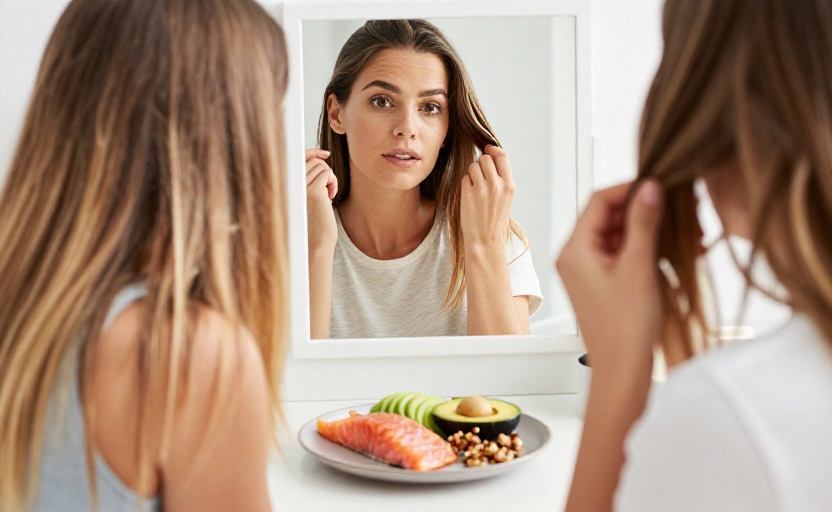
If you have fine hair, you know the struggle: it gets greasy fast, falls flat by midday, and seems to break at the slightest tug. While many of us blame our shampoo or styling tools, dietitians point to something deeper—your diet, specifically your intake of healthy fats.
Healthy fats are not just fuel for your brain and heart; they are essential for maintaining the structure and shine of your hair. Fine hair, in particular, is more susceptible to showing signs of nutritional deficiency. Here are three telltale signs that your fine hair is crying out for more healthy fats, plus the foods that can help.
1. Your Hair Is Dry and Brittle, No Matter What Conditioner You Use
You might be using the most moisturizing conditioner on the market, but if your hair still feels like straw, the issue may be internal. Healthy fats—specifically omega-3 fatty acids—help your body produce the natural oils that keep your scalp and hair hydrated. Without enough of these fats, your sebaceous glands cannot do their job, leading to dry, brittle strands that are prone to breakage.
Registered dietitians suggest that this is often the first visible sign of a fat deficiency. Fine hair, with its thinner cuticle, loses moisture faster than coarse or thick hair, so the dryness becomes noticeable sooner.
2. You Are Seeing More Shedding Than Usual
It is normal to lose 50 to 100 hairs a day. But if you are noticing larger clumps in your brush or in the shower drain, your diet might be playing a role. Your hair follicles need a steady supply of essential fatty acids to stay in the growth phase of the hair cycle.
Without these fats, hair can shift prematurely into the shedding phase. A 2015 study in the Journal of Cosmetic Dermatology found that women who took an omega-3 and omega-6 supplement for six months experienced a significant reduction in hair loss and an increase in hair density. While supplements can help, dietitians emphasize getting these fats from whole foods first.
3. Your Scalp Feels Flaky or Irritated
Dandruff is often thought of as a dry-scalp issue, but it can also be linked to inflammation from a lack of healthy fats. The anti-inflammatory properties of omega-3 fatty acids can help calm an irritated scalp, reducing flakiness and itchiness.
If you have fine hair and you are noticing white flakes on your shoulders—especially if you have already ruled out dandruff shampoo—a lack of dietary fat could be the culprit. A well-moisturized scalp supports healthy hair growth from the root up.
How to Add More Healthy Fats to Your Diet
You do not need a complete diet overhaul to support your fine hair. Registered dietitians recommend adding these foods to your regular rotation:
- Fatty fish like salmon, mackerel, and sardines provide omega-3s.
- Avocados are rich in monounsaturated fats and vitamin E.
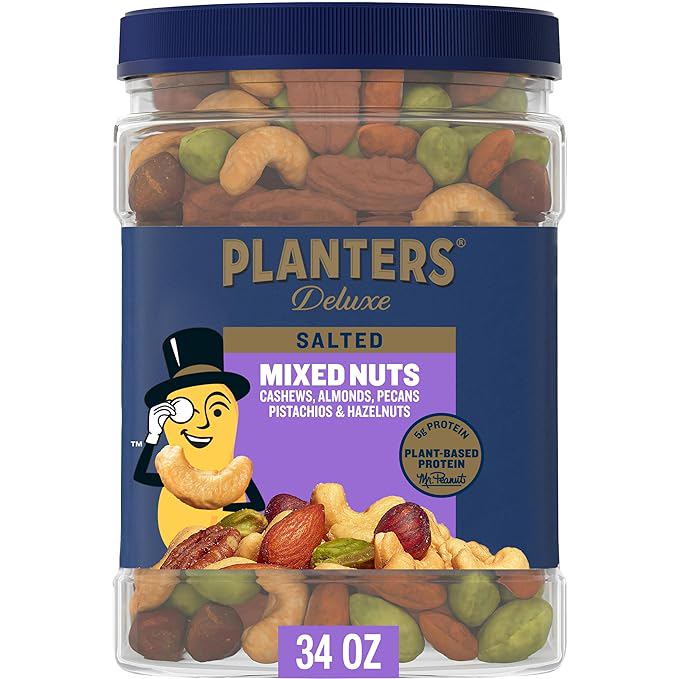
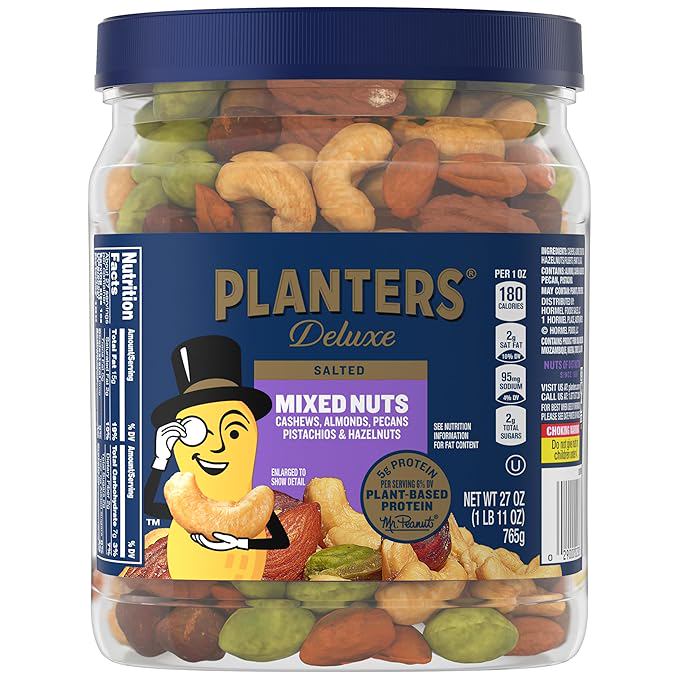
- Nuts and seeds (think walnuts, chia seeds, and flaxseeds) offer a plant-based source of essential fats.
- Olive oil can be used in cooking or as a dressing to boost your daily intake.
For those who do not eat fish, a high-quality algae-based omega-3 supplement can be a good alternative. However, always talk with your healthcare provider before starting any new supplement.
Dietitian's Note: Start by adding one source of healthy fat to each meal. A handful of walnuts with breakfast, avocado on your lunch salad, and salmon for dinner can make a real difference in your hair's texture and strength.
Frequently Asked Questions
Can healthy fats make my fine hair look greasy?
No. Eating healthy fats does not directly cause greasy hair. In fact, a well-balanced intake of essential fatty acids helps regulate sebum production, which can actually reduce the overproduction of oil on your scalp.
How long does it take to see results after adding more fat to my diet?
Hair grows slowly—about half an inch per month. You may start to notice less shedding and improved shine within four to six weeks, but the full benefits to hair thickness and growth can take several months.
What if I have high cholesterol? Can I still eat healthy fats for my hair?
Yes. Unsaturated fats (from avocados, nuts, seeds, and fish) are heart-healthy and can actually help improve your cholesterol profile. Always follow your doctor's dietary recommendations, especially if you have a pre-existing condition.
Can taking biotin replace the need for healthy fats?
No. Biotin is a B vitamin that supports keratin production, but it works alongside fats, not in place of them. Your body needs both protein and fats (plus other micronutrients) for optimal hair health. Focusing only on biotin will not correct a deficiency in essential fatty acids.