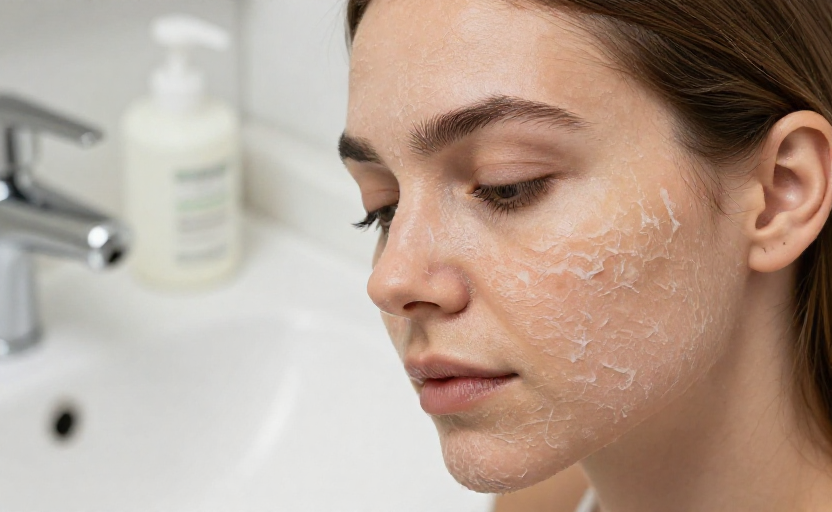
You exfoliate every evening. You apply hyaluronic acid before bed. You even drink close to eight glasses of water a day. Yet your skin still feels tight by noon, looks dull in photos, and drinks up moisturiser like it hasn’t been fed in days. If this sounds painfully familiar, you’re likely committing one (or more) of three common skin-hydration mistakes that quietly undo your best efforts.
The good news is these missteps are easy to correct once you know what they are. Below, we break down the three routine mistakes that keep skin dehydrated, explain the science behind each, and offer practical tweaks that make a noticeable difference.
Mistake No. 1: layering active ingredients on dry skin
Many of us have been taught to apply serums and treatments directly after cleansing so they absorb better. That logic sounds right, but for dehydrated skin, it can backfire. When you put potent ingredients — especially vitamin C, retinoids, or chemical exfoliants — onto completely bare, damp-but-not-hydrated skin, you increase the risk of trans-epidermal water loss (TEWL). The skin’s barrier, already a bit compromised, struggles to hold the ingredient where it belongs, and some water slips out in the process.
The fix is simple: apply a hydrating toner or a few spritzes of a mineral water mist first. Let that sink in for about thirty seconds. Then layer your active serum. This prep step gives the stratum corneum a buffer, so the active works on the skin without creating micro-irritation that dries it out over time.
Mistake No. 2: overusing — or misplacing — your moisturiser
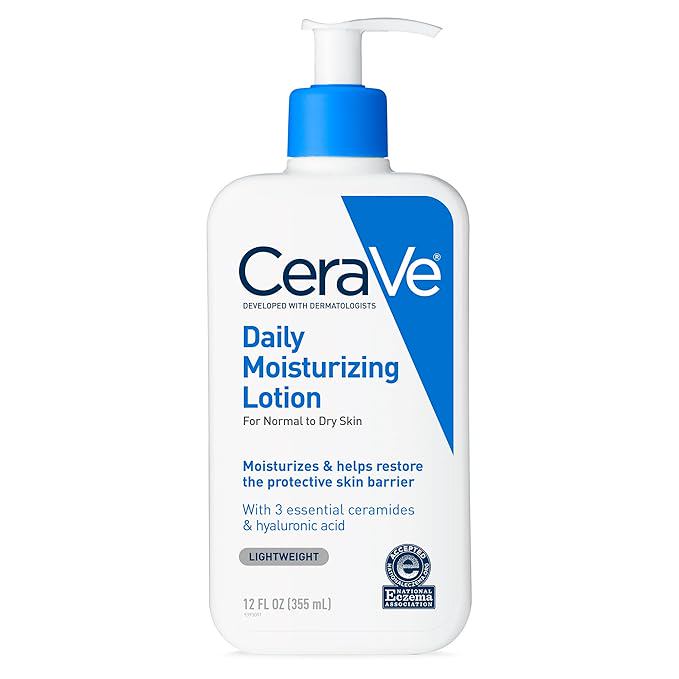
It sounds counterintuitive, but more moisturiser does not always mean more hydration. Thick creams are designed to seal moisture in, not necessarily to deliver water deep into the skin. If you pile on a heavy occlusive cream over a dry face, you’re essentially locking in dryness. The layer on top may feel comfortable for an hour or two, but the skin underneath remains parched.
Think of hydration as a two-step process: first add water (humectants such as glycerin, hyaluronic acid, or panthenol), then lock it in (emollients and occlusives such as squalane, ceramides, or shea butter). If your moisturiser is rich but lacks humectants, apply a lightweight water-based gel or ampoule underneath. Conversely, if your moisturiser is a gel that evaporates fast, follow with a few drops of facial oil or a balm over the driest areas — usually the cheeks and around the mouth.
A quick note on timing
Applying moisturiser to damp skin is one of the most underrated tricks in skincare. After cleansing, leave your face slightly moist, then apply your moisturiser within 60 seconds. This helps pull water into the outer layer and holds it there. Waiting until skin feels tight and dry makes rehydration harder.
Mistake No. 3: your cleanser is too harsh for your current needs
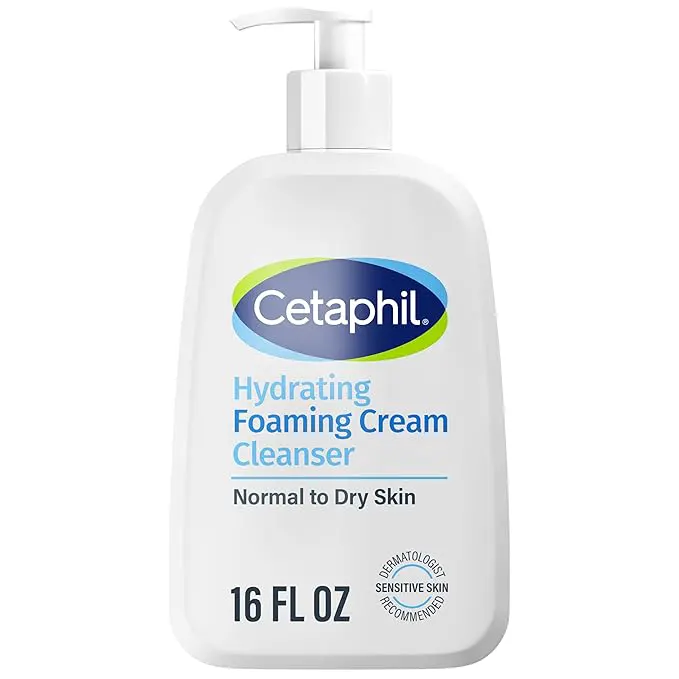
Foaming cleansers can feel satisfying, but many contain sulfates (like sodium lauryl sulfate) that strip the skin’s natural moisture barrier. When the barrier is disrupted, water evaporates faster. This mistake is especially common among people who switch to a “deep cleanse” or “oil-control” wash because they think acne or shininess is the problem. In reality, dehydration can trigger more oil production as a defence mechanism, trapping you in a cycle of stripping and over-producing.
If your skin feels tight, looks flaky, or stings after washing, switch to a gentle, low-pH cleanser — look for terms like cream cleanser, milk cleanser, or non-foaming. If you wear sunscreen or makeup, try a double cleanse: oil-based first, then a gentle water-based second. This removes everything without over-cleansing.
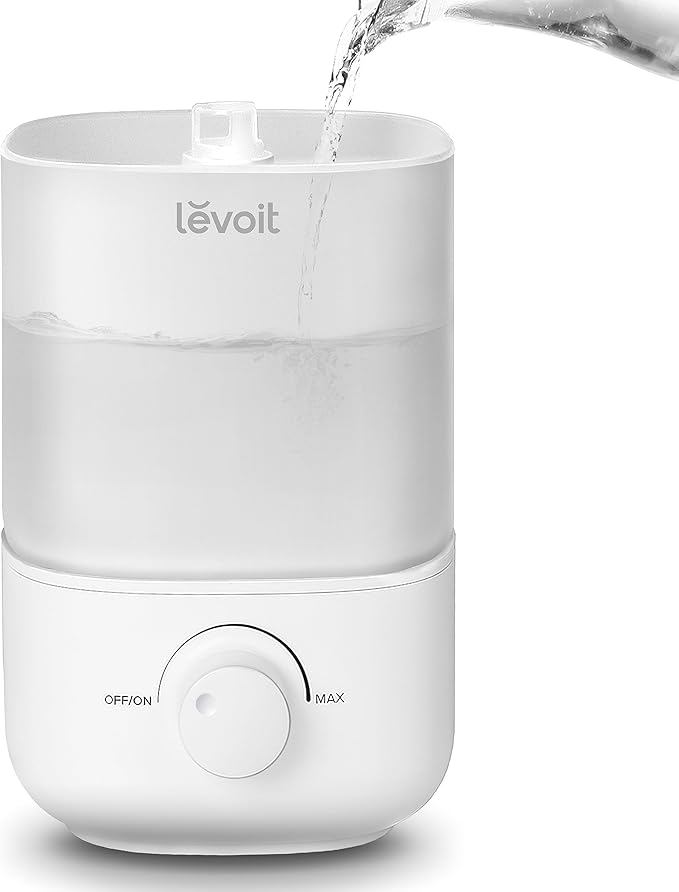
One more thing worth noting: environment plays a bigger role than most people realise. Dry indoor air (from air conditioning or heating) pulls moisture from your skin. Consider placing a small humidifier on your nightstand, especially during colder months or if you live in a dry climate. And no matter how tempted you are, skip the harsh physical scrubs when your skin feels dehydrated — they only worsen the problem.
Fixing hydration doesn’t require a 12-step routine. Start by checking for these three mistakes over the next week. Within a few days, your skin will feel more supple, look less drawn, and absorb products more efficiently. Small adjustments, real results.