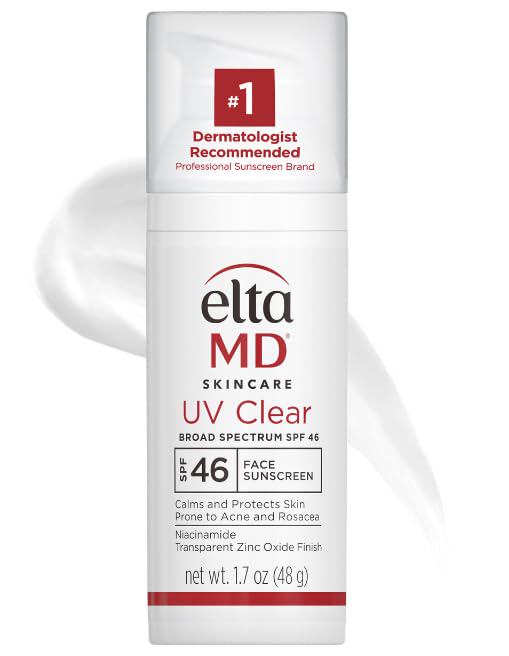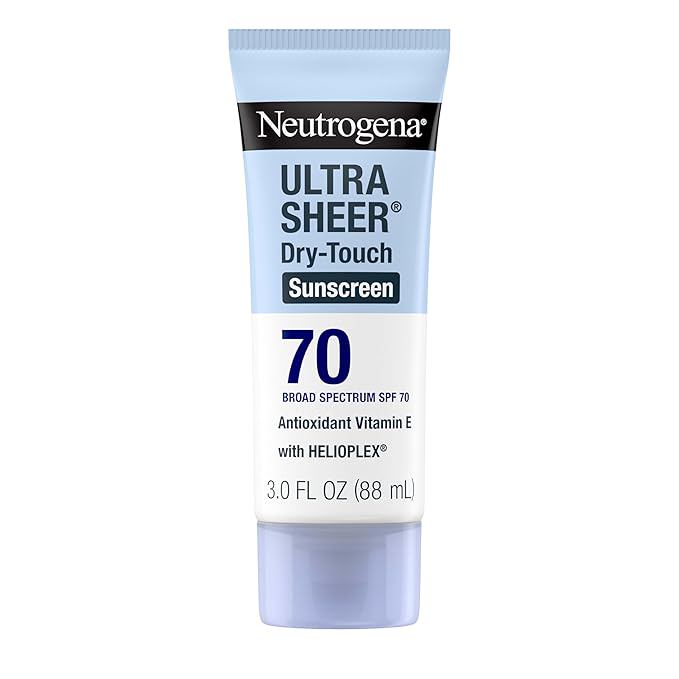

We all know to apply sunscreen before a day at the beach. But sun spots—those flat, tan-to-dark patches that linger long after summer fades—don’t form overnight. They are the result of cumulative UV exposure, and often, the habits that contribute to them are the ones hiding in plain sight. Think of the morning commute, the lunchtime errand, or even that quick dash to the mailbox. If your daily routine has a few blind spots, you might be inviting hyperpigmentation without realizing it. Here, dermatologists break down three common mistakes that increase your sun spot risk and how to correct them.
1. The “Window Glass” Fallacy: Forgetting UV Exposure Indoors and in the Car
You might feel safe sitting by a sunny window or driving to work with your arm resting on the door panel. But here’s the catch: standard window glass effectively blocks UVB rays (the ones that cause sunburn) but does a poor job of filtering UVA rays. UVA rays penetrate deeper into the skin and are the primary culprits behind photoaging and sun spots. “People often tell me they don’t need sunscreen because they’re indoors,” says one board-certified dermatologist. “But if you sit within a few feet of a window, especially in your car, you are getting a significant dose of UVA every single day.” Over months and years, that one-sided exposure on your left cheek or your driving arm adds up to distinct, stubborn pigmentation.
How to fix it
Make sunscreen a non-negotiable part of your morning routine from the neck up—and don’t stop at your face. Apply a broad-spectrum SPF 30 or higher to your hands, arms, and neck as well. For extra protection during long drives, consider UV-blocking window film or car shades that specifically filter UVA light. Reapplication isn’t usually necessary for incidental exposure inside, but if you’re on a road trip, do a midday touch-up on exposed skin.
2. The “Smoothie” Surprise: Photosensitizing Foods and Products
You already know that citrus juice can leave your skin vulnerable to sunburn (margarita burn, anyone?). But the mistake isn’t just about limes and cocktails. Certain skincare ingredients and even common foods can make your skin more reactive to UV light, triggering a process called phytophotodermatitis or simply accelerating pigment production. For example, applying serums or treatments with potent active ingredients like retinol, glycolic acid, and high-concentration vitamin C right before heading outside can lower your skin’s threshold for UV damage. “Even if you wear sunscreen, strong exfoliants and retinoids can make the skin more fragile and prone to hyperpigmentation if used during the day without a robust SPF regimen,” warns a dermatologist. In the kitchen, celery, figs, and even some essential oils (like bergamot) can leave residue on your skin that reacts with sunlight.
How to fix it
Keep your active-heavy skincare products for nighttime use. If you do use a daytime vitamin C serum, let it absorb completely for at least a few minutes, then apply a generous layer of mineral-based sunscreen. After handling photosensitizing foods, wash your hands thoroughly—and don’t lick your fingers. Finally, always check labels for “photosensitizing” warnings, especially in serums and creams.
3. The Incremental Exposure Trap: Ignoring Short, Repeated Bursts of Sun
This mistake is the sneakiest of all: the total lack of awareness around cumulative, minute-by-minute exposure. It’s not the two-hour beach day that worries dermatologists most for sun spots—it’s the year-round, five-minute exposures five times a day. Walking the dog, checking the mail, sitting in a sidewalk café, hanging laundry, or even driving with the sunroof open—each event seems too short to matter. But your skin keeps score. “Sun spots don’t need a sunburn to form,” explains a leading skin health researcher. “They need cumulative UVA exposure, which is invisible and painless. A few minutes here and there, every single day, adds up over a lifetime—that’s the classic recipe for lentigines.” This is especially true for people with fair skin or a family history of freckling.
How to fix it
Adopt a “habit, not an event” mindset. Keep a travel-sized broad-spectrum SPF sunscreen in your bag, at your desk, and in your car so you never have an excuse. Use a lightweight, mineral-based powder sunscreen for easy touch-ups. Even better: combine sunscreen with physical protection. A wide-brimmed hat, UV-protective clothing, or simply seeking shade on bright days can reduce the risk dramatically. A 2023 study in the Journal of the American Academy of Dermatology found that consistent daily use of SPF 30 cut my rate of developing new sun spots by nearly 50 percent over two years. That’s a return on investment worth making.