
The skin around your eyes is thin, delicate, and often the first place to show signs of aging. While you might be religious about your eye cream, the real culprits behind those fine lines and crow's feet are often hiding in your daily routine. Small, repetitive actions and overlooked habits can accelerate wrinkling far more than genetics alone. The good news? Once you recognize these common mistakes, you can stop the damage and help your skin stay smoother for longer.
Rubbing and pulling at the eye area
It feels natural to rub tired eyes or tug at the skin when removing makeup, but this repeated mechanical stress is a primary cause of premature wrinkles. The epidermis around the eye is only about 0.5 mm thick—much thinner than the rest of your face. Aggressive rubbing breaks down collagen and elastin fibers directly, leading to crepey texture and deepened lines over time.
Think about how you remove eye makeup. Are you vigorously scrubbing a waterproof mascara? That friction is micro-tearing the skin. Similarly, many people unconsciously rub their eyes when tired, applying significant pressure in the same vulnerable areas each day.
What to do instead
Switch to a gentle, non-negotiable approach for eye care. Use a dedicated oil-based eye makeup remover on a soft cotton pad, hold it over your closed eye for 10–15 seconds to dissolve the product, and then swipe, don't scrub. When applying creams or serums, use your ring finger—it naturally applies the least pressure—and pat the product gently into the orbital bone, never pulling the skin. Creating a tactile habit of gentleness can prevent years of accumulated damage.
Sleeping with your face smushed into the pillow
If you wake up with crease marks on your face, you are getting a nightly dose of wrinkle formation. Sleeping on your side or stomach presses your eye area against the pillowcase for hours, compressing the skin and trapping heat and moisture against it. Over time, this creates permanent etch lines that follow the pattern of your pillow's fabric folds.
Cotton pillowcases are especially problematic because cotton fibers are absorbent and create friction. As you shift during sleep, your delicate eye skin is dragged back and forth against a rough, dry surface. This is a repetitive strain injury to your facial skin, and it happens every single night without you even knowing it.
How to fix it
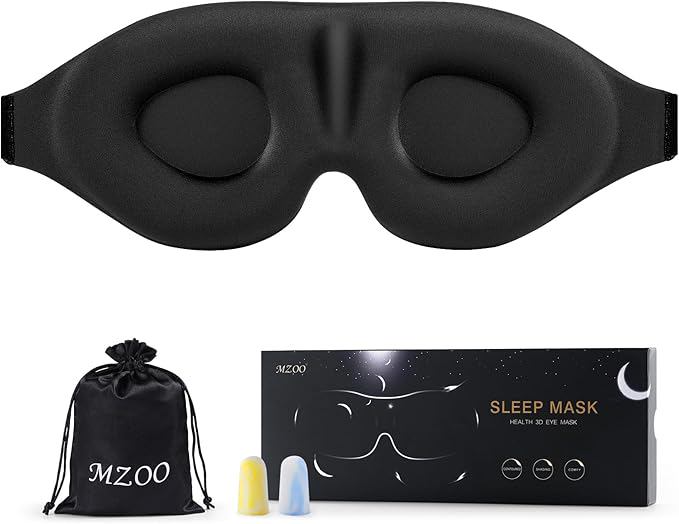
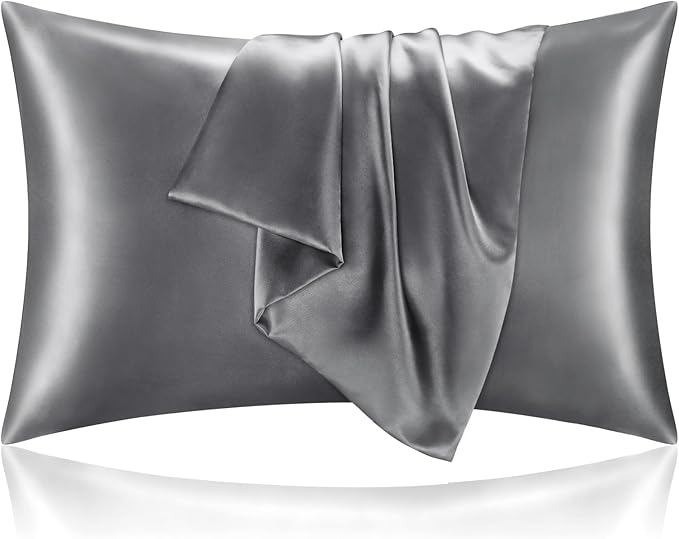
The most effective change is to sleep on your back. If that's not comfortable, invest in a smooth, low-friction surface. Silk or high-thread-count satin pillowcases allow your skin to glide, reducing the pull and compression. You can also try a silk sleep mask for added protection and darkness, which may help you sleep more deeply and move around less. Keep your pillowcases clean—overnight buildup of sebum and skincare residue can aggravate the eye area.
Forgetting sunscreen on your eyelids and under-eyes
Most people diligently apply sunscreen to their face but skip the eye area because it stings or burns. This leaves the most UV-sensitive skin completely unprotected. Ultraviolet radiation is the single most preventable cause of premature aging, and the eye area is a bullseye for cumulative sun damage.
Photoaging around the eyes shows up as texture changes, broken capillaries, and deep horizontal lines that are harder to treat than expression wrinkles. Squinting in bright sunlight without polarized sunglasses or a hat also creates repeated muscle contractions that carve permanent grooves into the skin. If you wear contact lenses or have sensitive eyes, you might avoid sunscreen altogether around the eyes, believing you have to choose between comfort and protection.
What works for sensitive eyes
Mineral sunscreens with zinc oxide or titanium dioxide are far less likely to sting. Look for formulas labeled "facial" or "eye-friendly" that are free from chemical filters like avobenzone and oxybenzone. Apply a small dot to your ring finger and pat it gently over the orbital bone and onto the eyelids, keeping eyes closed until it dries. A mineral tinted sunscreen can double as concealer and protection, reducing the number of layers you need near your eyes. Pair this with UV400-blocking sunglasses every time you go outside—even on cloudy days—to stop squinting and shield the thinnest skin from harm.
Quick daily habit: Keep a full-size bottle of a mineral sunscreen stick on your bathroom counter. Dip your ring finger into it each morning and pat around your eyes before leaving the room. It takes 30 seconds and makes a long-term difference.